How Your Gut Bugs Can Help Calm Your Anxiety
Probiotics are just a fancy word for the good bacteria that live in your digestive system. Think of them like tiny helpers that live in your belly. They help break down food, fight off bad germs, and even send messages to your brain. When your gut is full of these helpful bugs, your whole body—including your mind—feels more at ease.
The Gut-Brain Connection Made Simple
Your gut and brain are connected by a superhighway of nerves. It’s called the vagus nerve, but you don’t need to remember that name. Just know that when your stomach is upset, your brain gets the memo. And when your brain is stressed, your gut feels it too. That’s why you might get a knot in your stomach before a big test or a job interview.
If your gut is filled with the wrong kinds of bugs—like from processed food, too much sugar, or antibiotics—it can send stress signals to your brain. That can make anxiety worse. But when you feed your gut the good bugs, they help calm things down. They make substances that tell your brain, “Hey, everything’s okay. Relax.”
How Probiotics Actually Help
You might be thinking, “How can a little bug in my stomach help me feel less anxious?” Good question. It comes down to chemistry. Your gut bugs help make serotonin. That’s the chemical that makes you feel happy and calm. In fact, most of your body’s serotonin is made in your gut, not your brain. So if your gut bugs are happy and well-fed, they make more of that chill-out chemical.
Probiotics also help lower inflammation in your body. Inflammation is like a low-level fire inside you. Too much of it has been linked to anxiety and depression. When you take probiotics or eat foods with them, they help put out that fire. Less inflammation means less anxiety.
Some studies show that people who eat probiotic-rich foods report feeling less stressed, less worried, and more in control. It’s not a magic pill. It won’t make all your problems disappear. But it can take the edge off. Think of it as a gentle helper, not a superhero.
Easy Ways to Get More Good Bugs
You don’t need expensive supplements to get probiotics. Real food is often the best source. Yogurt is an easy one. Look for ones that say “live active cultures” on the label. Greek yogurt is a good choice. Kefir is like a drinkable yogurt and has even more good bugs in it. Sauerkraut and kimchi are fermented vegetables that pack a punch. If you like pickles, refrigerated pickles—not the shelf-stable ones—have probiotics too. Miso soup, tempeh, and kombucha are other options.
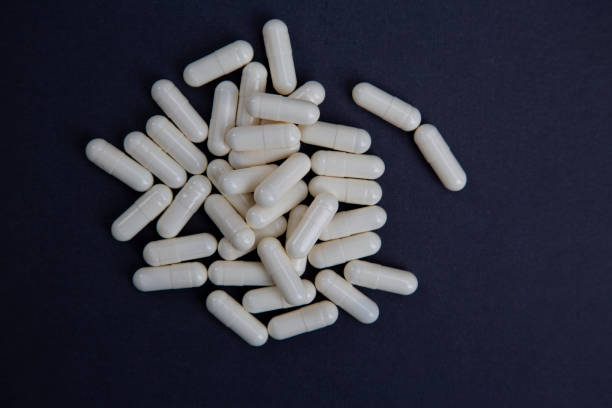
If you don’t like those foods, you can try a probiotic supplement. Just pick one that has multiple strains of bacteria. It doesn’t have to be expensive. Start with a low dose and see how you feel. Some people get a little gassy at first. That’s normal. Your body is getting used to the new bugs.
A Few Things to Keep in Mind
Probiotics are not a cure-all. If you’re dealing with serious anxiety, please talk to a doctor or a therapist. Probiotics can help, but they work best as part of a bigger plan. That plan might include exercise, good sleep, talking to someone, and eating well.
Also, it takes time. You won’t take probiotics today and feel calm tomorrow. Give it a few weeks. Your gut bugs need time to settle in and start working. Be patient with your body.
One more thing: if you have a health condition like a weak immune system, check with your doctor before taking probiotic supplements. For most people, they’re safe and helpful.
The Bigger Picture
Your gut is like a garden. You can plant good seeds (probiotics) and water them with prebiotics—the fiber that feeds the good bugs. Foods like bananas, onions, garlic, oats, and apples are great prebiotics. So eat your fruits, veggies, and whole grains along with your probiotic foods. That way, the good bugs have fuel to grow and do their job.
Taking care of your gut won’t solve everything. But it can make a real difference. When your belly feels calm, your mind often follows. Next time you’re feeling jittery, try a bowl of yogurt or a glass of kefir. See if it helps take the edge off. Your gut bugs will thank you. And so will your brain.
Remember, you’re not alone in this. Lots of people find that small changes—like adding probiotics to their daily routine—help them feel a little lighter and a lot less anxious. Give it a try. Your gut-brain connection is real, and it’s on your side.
Related Articles
Learn more about Helpful Supplements.