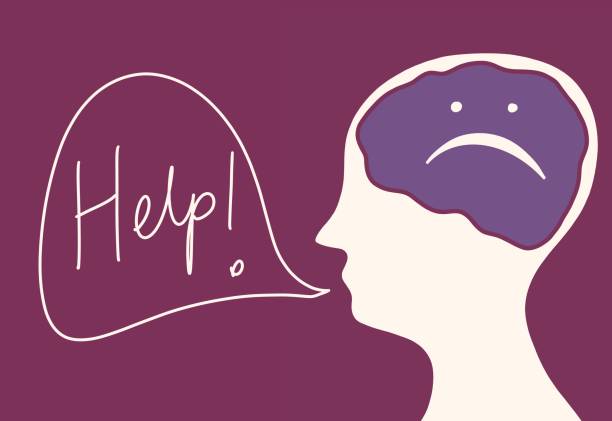
Your body has an alarm system. It turns on when you feel stressed, scared, or worried. Your heart beats faster. Your breathing gets shallow. Your muscles get tight. That alarm can be helpful when there is real danger. But it can also get stuck on when there is no danger at all. Then you feel jittery, tense, and tired. You need a way to tell your body, “We are safe now.“ One simple way is to use your breath and your voice. Slow breathing and humming can help flip your body’s calm switch.
The vagus nerve is a long nerve that runs from your brain down through your neck and into your chest and belly. You can think of it as a brake line for your body’s alarm. When it gets active, your body starts to slow down. Your heart rate can settle. Your breathing can get deeper. Your muscles can loosen. You don’t have to think about it. Your body does it on its own. But you can help it along. Slow breathing and humming are two easy ways to give that brake line a gentle push.
Slow breathing works best when you make your exhale longer than your inhale. Here’s a simple way to do it. Breathe in through your nose for about four seconds. Then breathe out through your mouth for about six seconds. Don’t force it. Don’t gasp or strain. Make it smooth and quiet. Do it for about a minute. You can count in your head if that helps. You can also pretend you are blowing out a candle very slowly. The long exhale is the key. It sends a signal to your body that you are not running from danger. You are safe enough to slow down.
If counting feels annoying, try a sigh. Take a normal breath in through your nose. Then take a second small sip of air. Let it out slowly through your mouth. Do that two or three times. A sigh is something your body already does on its own when it needs to reset. You are just using it on purpose. Keep your shoulders loose. Unclench your jaw. Let your belly move as you breathe. You don’t need to breathe perfectly. You just need to breathe a little slower than usual.
Humming is another simple tool. Close your mouth. Make a low “mmm” sound. Let it buzz in your lips, face, and chest. Keep it soft. You can hum a song you know. You can hum one long note. You can hum while you breathe out slowly. Do it for a minute or two. Humming makes your breath slow down. It also gives your body a gentle vibration. That can feel calming. It is hard to panic fast while you are humming a slow, steady note. Your mouth and throat are busy making sound, and your breath has to move in a steady way.
You can use these tricks in real life. If you feel your chest get tight before a test, try long exhales in the bathroom. If you wake up at night with a busy mind, hum quietly under your breath. If you feel tense in traffic, breathe in for four and out for six. You don’t need special equipment. You don’t need a quiet room. You just need a minute and a little practice.
Practice when you are not upset. Try ten slow breaths after you brush your teeth. Hum one song while you wash dishes. Keep it easy. If you feel silly, that is fine. Feeling silly is not dangerous. You can smile and keep going. The goal is not to be perfect. The goal is to give your body a small, clear signal that it can come down from high alert.
The more you practice, the easier it gets. Try slow breathing or humming when you are already calm. That way, your body learns the skill before you need it. Then, when your alarm starts ringing, you have a tool ready. You are not trying to force your body to be calm. You are giving it a clear message. Slow breath. Long exhale. Soft hum. Safe enough to relax. That message can help your body’s alarm system settle down.