Humming Is a Secret Trick to Tell Your Body You’re Safe
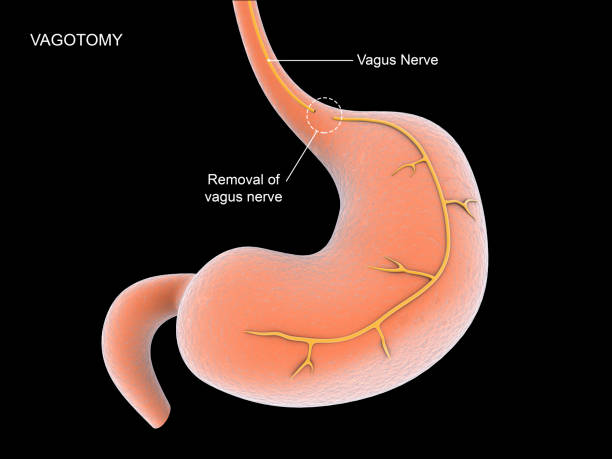
Here is how it works. Deep inside your body, there is a long nerve that connects your brain to your heart and your belly. You don’t need to know its name. Just know this. When you hum, you vibrate that nerve in a way that feels like a gentle back rub. That nerve sends a signal up to your brain that says, “No need to panic. We are safe.“ Your brain then tells your body to lower the alarm. Your heart slows down, your breathing deepens, and your muscles let go. Humming is like giving your nervous system a cozy blanket.
To try it, you don’t need any special equipment. You just need a little quiet and a few minutes. Sit or stand wherever you are. You can close your eyes if that feels comfortable, or keep them open and look at something soft. Take a gentle breath in through your nose. Then, as you let the breath out, close your mouth and make a humming sound. It can be a low hum or a higher hum. It can sound like “mmm” or “mmmmmm.“ It doesn’t matter. The only important part is that you feel a buzz in your lips, your throat, or your chest. Let the hum last as long as the breath goes. When you run out of air, stop and take another breath in. Repeat that five or ten times. You might feel slightly silly, but that is okay. Nobody has to hear you. You can hum super quietly, just enough to feel a tiny vibration. Or you can hum into a rolled-up tissue. Feeling the buzz on your nose makes it even stronger.
Humming works extra well because it forces you to breathe out slowly. The out-breath is the part that calms your heart. Think about when you sigh after a long day. That long out-breath feels good. Humming is just a sigh with a sound. And the sound keeps your breath steady. You cannot rush a hum. You have to let the air flow out at a smooth, even pace. That slow pace tells your brain that there is no emergency, because emergencies call for fast, choppy breaths. Slow breath means safe.
You can hum any tune you like, even if you don’t know the words. Hum a song from a movie or a commercial. Hum a song from school. Hum something you make up on the spot. The tune does not matter. The vibration does. One person I know hums the same two notes over and over while driving. It sounds like a tiny motor. But that repetition is actually perfect. It anchors your focus and gives your worried brain a simple task. Instead of thinking about what could go wrong, you are thinking about the buzz in your throat.
I remember being stuck in heavy traffic once. My shoulders were up near my ears, and my stomach was tight. I turned on the radio and started humming along without even thinking. By the time the traffic moved again, I noticed my hands were soft on the wheel and my jaw had unclenched. I didn’t do anything special. I just hummed for a few minutes. That is when I realized this little trick is truly powerful.
The best part is that you do not have to wait until you are panicked to use it. Humming is a skill, like a muscle. The more you practice it when you are calm, the better it works when you are not. Try humming while you wash dishes. Hum while you walk to the mailbox. Hum while you wait for your computer to load. Make it a tiny habit. Over time, your body starts to connect the humming sound with safety. Then, when the alarm goes off, you can hum and your body remembers, “Oh right, this is the safe signal.“
If you feel too worked up to remember how to breathe, start with just one hum. One long, slow hum. That is enough to interrupt the alarm for a second. Then do another. Then another. You might be surprised how quickly the panic fades.
Your body’s alarm system is a good thing. It protects you. But you get to be the one who turns it off. Humming is free, quiet, and always with you. Next time your chest gets tight or your mind starts spinning, press your lips together and let out a gentle “mmm.“ Let the buzz travel through you. That little sound is your way of saying, “Everything is okay.“ And your body will listen.
Related Articles
Learn more about Calming Your Body's Alarm System.
Why Belly Breathing Feels So Weird at First (And Why That’s Okay)

Why Splashing Cold Water on Your Face Can Stop a Panic Attack in Its Tracks