Skip to Content

Journaling and Writing for Anxiety

Why Trying to Block a Bad Thought Makes It Stronger

Why Trying to Block a Bad Thought Makes It Stronger

You are standing in line, and a strange thought pops into your head.
How to Stop Replaying Awkward Moments in Your Head

How to Stop Replaying Awkward Moments in Your Head

Your brain can act like a video player stuck on one scene.

Stop Googling Your Symptoms: A Simple Plan to Calm the What-If Loop

Stop Googling Your Symptoms: A Simple Plan to Calm the What-If Loop

You feel a small twinge in your chest, a flutter in your stomach, or a headache that won’t quit.
How to Handle Annoying Thoughts That Pop Into Your Head

How to Handle Annoying Thoughts That Pop Into Your Head

A weird thought can show up at the worst time.

How to Stop Replaying Conversations in Your Head

How to Stop Replaying Conversations in Your Head

Your brain can turn one awkward sentence into a movie that plays all night.
How to Face a Fear in Small Steps That Feel Doable

How to Face a Fear in Small Steps That Feel Doable

Facing a fear can feel like standing at the bottom of a huge hill.

How to Face a Fear in Small Steps

How to Face a Fear in Small Steps

Fear grows when you stay away from it.
How to Handle Unwanted Thoughts Without Fighting Them

How to Handle Unwanted Thoughts Without Fighting Them

You pour a glass of water, and a strange thought pops into your head.

How to Handle the Need to Be Sure When Worry Makes You Check

How to Handle the Need to Be Sure When Worry Makes You Check

Worry loves a question with no clear answer.
How to Handle a Worry You Can’t Solve

How to Handle a Worry You Can’t Solve

You know the worry.
How to Stop Mind Reading and Lower Anxiety

How to Stop Mind Reading and Lower Anxiety

You send a text and get a short reply.

Quick Tips

What are the best foods to eat to help me feel less anxious?

Focus on whole, simple foods. Try to include complex carbohydrates like whole-grain bread or oatmeal, which release energy slowly. Lean proteins like chicken, fish, eggs, or beans help you feel full and steady. Don’t forget fruits and vegetables for their vitamins. It’s like building a strong, stable foundation for your body. These foods work together to keep your mood and energy levels from swinging wildly, which can often feel like anxiety. Avoid sugary snacks that give you a quick rush followed by a crash.

I’m not hungry when I’m anxious. How can I still eat?

It’s completely normal to lose your appetite when you’re feeling stressed or anxious. Forcing a big meal can feel impossible. Instead, think small and easy. Try a handful of nuts, a container of yogurt, a piece of fruit, or a smoothie. These are less overwhelming than a full plate of food. Even just a few bites are better than nothing. The goal is to get a little bit of fuel into your system to help settle your stomach and give your brain the energy it needs to start calming down.

What does “catastrophizing” mean, and what does it look like?

Catastrophizing is when your mind jumps to the worst-case scenario right away. It’s like assuming you’ll fail a test because you missed one question, or thinking a friend is angry with you forever because they didn’t text back. You’re blowing things way out of proportion. It feels like you’re preparing for disaster, but you’re just making yourself worry more. The first step to stopping it is to notice when you’re making a small problem into a huge catastrophe in your mind.

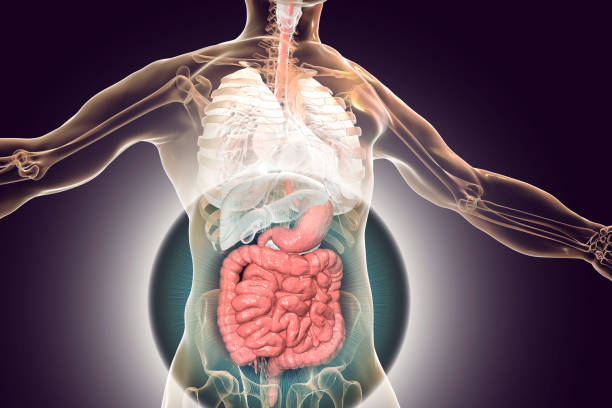
What are the best food sources of probiotics?

You don’t always need a pill to get probiotics; you can find them in delicious foods! Some of the best sources are yogurt with “live and active cultures,“ kefir (a tangy drinkable yogurt), and fermented foods like sauerkraut and kimchi. Other good options include kombucha (a fizzy fermented tea) and miso (a paste used in soups). When shopping, look for words like “live cultures” or “fermented” on the label. Adding a serving of these foods to your diet each day is a simple way to feed your gut the good guys.

How can I tell when my thoughts are unbalanced or too negative?

You can spot an unbalanced thought by the way it makes you feel. If a thought makes you feel instantly overwhelmed, terrible about yourself, or sure that something will go wrong, it’s probably unbalanced. These thoughts often use extreme words like “always,“ “never,“ or “disaster.“ For example, “I always mess up” or “This presentation will be a complete disaster.“ Pay attention to that sudden drop in your mood—it’s a great clue that your thoughts might be exaggerating and not telling you the whole, true story.