Magnesium Glycinate: The Chill Pill Your Body Might Need
Let’s back up a sec. Magnesium is a mineral that your body uses for hundreds of things. Your muscles need it to loosen up after they tighten. Your heart needs it to keep a steady beat. Your nerves need it to calm down after sending a million messages. But here’s the thing: most of us don’t get enough magnesium from food alone. Processed foods, stress, and even certain drinks like soda can drain the magnesium right out of you. When you’re low, you might notice you feel jittery, your shoulders are tense, or your mind won’t shut off at night. That’s your body asking for a little more magnesium.
So why glycinate specifically? Well, magnesium comes in different forms, and they act differently in your body. Some forms, like magnesium oxide, are cheap but don’t absorb well and can make you run to the bathroom. Others, like magnesium citrate, are better for constipation but still not the most relaxing. Magnesium glycinate is different because it’s paired with an amino acid called glycine. Glycine is a calming compound on its own. It helps your brain slow down and your nervous system chill out. So when you take magnesium glycinate, you’re getting two things at once: the mineral that relaxes your muscles and the amino acid that relaxes your mind. It’s like a one-two punch against anxiety.
Imagine a tight rubber band. That’s often how anxiety feels in your body. Your muscles are tense, your jaw is clenched, your stomach is in knots. Magnesium glycinate works to soften that rubber band. It helps your muscles release instead of staying locked. You know that feeling when you finally sit down after a long day and your shoulders drop? That’s kind of what magnesium glycinate can do on a deeper level. It tells your nervous system that it’s okay to switch from “go, go, go” to “just relax.“ Your fight-or-flight button gets a little easier to turn off.
But it’s not just a body thing. Glycine also acts on your brain. It helps boost something called GABA, which is like your brain’s natural brake pedal. When GABA is high, your thoughts slow down, you feel less panicked, and you can actually fall asleep easier. That’s why many people take magnesium glycinate about an hour before bed. It doesn’t knock you out like a sleeping pill. Instead, it helps you wind down naturally. You might notice that your racing thoughts start to quiet, and your body feels heavier and more settled. It’s a very gentle, cozy kind of calm.
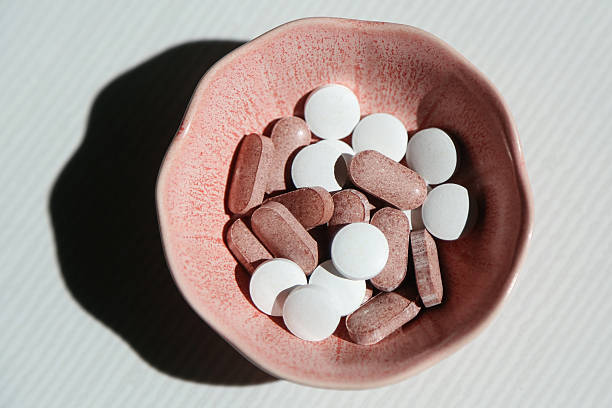
Another cool thing about magnesium glycinate is that it’s gentle on your stomach. Some magnesium supplements give you cramps or loose stools, which is definitely not relaxing. But glycinate is well-tolerated by most people. That makes it a good option if you have a sensitive gut or if you want to take it every day without side effects. You can find it in capsules, powders, or even gummies. Just read the label to see how much elemental magnesium is in each serving. Usually, people start with around 200 to 400 milligrams a day. But you don’t need to go crazy. Too much magnesium can make you feel sluggish or give you a headache, so start low and see how your body reacts.
Now, a few honest warnings. Magnesium glycinate is helpful for many, but it’s not a magic cure for severe anxiety. If your anxiety is really intense or constant, you should talk to a doctor or therapist. Supplements work best when you’re also getting good sleep, moving your body a little, and talking about your feelings with someone you trust. Also, if you have kidney problems or take certain medications for blood pressure or heart rhythm, check with your doctor first. It’s always a smart move to bring up any supplement at your next checkup.
The bottom line is simple. If you’re looking for a natural way to lower anxiety and relax your body, magnesium glycinate is a solid choice. It’s not going to make you feel drowsy or out of it. It just brings you down a notch or two. It helps your muscles let go and your brain stop spinning. Many people take it every night as part of their wind-down routine. For some, it makes a big difference. For others, it’s just one small piece of the puzzle. But given how common magnesium shortages are, adding a little bit more to your day is rarely a bad idea. Give it a few weeks, stay consistent, and pay attention to how your body feels. You might just find that calmer, softer feeling you’ve been missing.
Related Articles
Learn more about Helpful Supplements.
The Chill Magnesium: How Glycine Helps You Unwind
How L-Theanine Helps You Chill Out Without Making You Sleepy