Naming the Monster: How Labeling Your Feelings Makes Saying No Easier
Think about the last time you agreed to something you didn’t want to do. Maybe a friend asked you to hang out when you were exhausted. Maybe a family member asked for a favor that felt way too big. Maybe a coworker dumped extra work on your desk. You wanted to say no, right? But instead, your stomach did a little flip, your chest got tight, and out of your mouth came “Sure, no problem.“ Then you spent the next two hours, or two days, feeling mad at yourself.
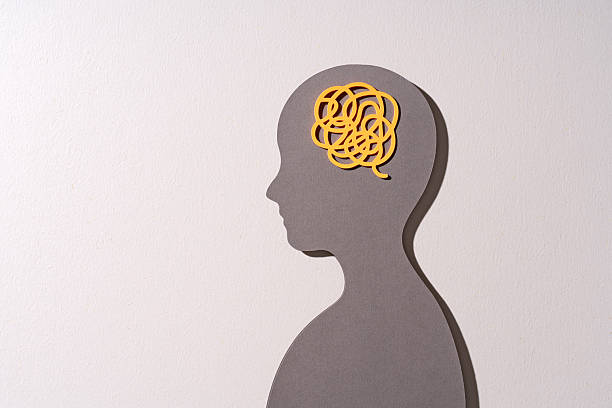
That mad feeling? That’s your brain trying to tell you something. But it’s not yelling a clear message. It’s just a vague blur of guilt, pressure, and fear. You can’t fight a blur. You can’t set a limit on a blur. But you can fight a specific thing.
So here’s a small, weirdly powerful technique. Next time you feel that knot in your stomach when someone asks for something, stop for three seconds. Don’t answer yet. Ask yourself one simple question: “What exactly am I feeling right now?“ Give it a real label.
Are you feeling “guilty” because you think you should be a good friend? Are you feeling “pressured” because this person is standing there staring at you? Are you feeling “scared” that they’ll be mad if you say no? Are you just feeling “drained” because you have zero energy left? Pick the one word that fits best.
Why does this work? Because your anxiety loves to be vague. It loves to say “everything is too much.“ But when you slap a label on it, like “I am feeling pressured,“ the monster shrinks. It goes from this giant, scary shadow to a very specific problem. A problem you can actually solve.
Once you have the label, you have a choice. If the feeling is “guilt,“ you can remind yourself that you are not responsible for how other people feel when you take care of yourself. If the feeling is “pressure,“ you can physically take a step back, take a breath, and buy yourself a minute to decide. If the feeling is “drained,“ you can say the magic words: “I would love to help, but I am at my limit right now.“
Let me give you a real-world example. Imagine you’re at a craft fair. You’re already tired from walking around. A friendly lady at a booth asks, “Would you like to buy a candle to support our cause?“ Your first instinct is to say yes because she’s nice, and you don’t want to seem cheap. Your stomach ties in a knot. Instead of blurting out a yes, you pause and label the feeling. You realize the feeling is “obligation.“ It’s not a desire for the candle. It’s just obligation. Labeling it makes it easier to say, “No thank you, I’m just looking today.“ The knot goes away. You didn’t let obligation drain your wallet and your energy.
Another example. A friend texts you: “Can you watch my dog this weekend? It’s a huge favor.“ You feel a rush of anxiety. You label it. The label is “resentment.“ You already know you have plans and you hate dog-sitting. Once you label it as resentment, you realize that saying yes would make you angry at your friend. That anger would poison the friendship. So you text back, “I can’t this weekend, but I hope you find someone.“ You just saved a friendship by being honest.
This labeling thing takes practice. At first, you’ll forget. You’ll say yes and kick yourself later. That’s okay. The next time, you’ll remember to pause a little sooner. You will start to notice the physical signs of anxiety — the tight chest, the shallow breathing, the hot face. When you feel them, you know it’s time to reach for a label.
The goal here isn’t to become a robot who never helps anyone. The goal is to become a person who only says yes because they truly want to, not because they were bullied by a vague, scary feeling. When you label your feelings, you take back the steering wheel of your life. You stop being a passenger who gets dragged along by guilt, pressure, and fear. You become the driver. And the driver gets to say where the car goes.
So start small. Next time someone asks for something, just pause. Find the label. Then decide if that label deserves a yes or a no. It might just be the most brave thing you do today.
Related Articles
Learn more about Your Surroundings and People.
The People Who Make You Feel Safe
The Art of Doing Nothing: A Simple Way to Escape Stressful News