Overcoming Anxiety to Take Meaningful Action
Firstly, it is essential to acknowledge the anxiety without granting it executive power. Anxiety is, at its core, a misfired alarm system designed for protection. When you feel your heart race or your thoughts spiral, try to pause and name the emotion simply: “This is anxiety.” This act of cognitive labeling creates a small but crucial separation between you and the feeling. You are not your anxiety; you are experiencing it. This mindful recognition prevents you from being completely hijacked by the emotion and creates a sliver of mental space. From this space, you can observe the anxious thoughts as mental events rather than absolute truths, which diminishes their power to dictate your behavior.
With this mindful foundation, the next step is to shrink the task until it feels manageable. Anxiety thrives on the overwhelming and the abstract. The thought “I must prepare the entire presentation” can trigger shutdown. Instead, break it down into the smallest conceivable first action. Your goal is not to complete the presentation; it is to open a new document and write a single bullet point. It is to research for just five minutes. By focusing on a micro-action, you bypass the brain’s panic response to a perceived mountain and engage its problem-solving capacity for a manageable molehill. The profound psychological truth here is that initiating any action, no matter how minor, generates momentum. Completing that tiny task provides a signal of competence to your nervous system, often reducing anxiety enough to take the next small step.
Simultaneously, practice grounding yourself in the physical present. Anxiety pulls you into an imagined catastrophic future. Counteract this by deliberately engaging your senses. Feel your feet flat on the floor, notice the temperature of the air on your skin, or listen to three distinct sounds in your environment. Take five slow, deep breaths, focusing on the exhale, which actively cues the body’s relaxation response. This sensory anchoring pulls you back from the precipice of panic and into the reality of the current moment, where you are ultimately safe and capable. In this calmer state, reasoned action becomes more accessible.
It is also vital to cultivate self-compassion throughout this process. Berating yourself for feeling anxious only adds a layer of shame to the existing fear, deepening the paralysis. Speak to yourself as you would to a trusted friend in distress. You might say, “This is really hard right now, and it’s okay to feel scared. Let’s just try one small thing.” This inner dialogue reduces the secondary stress of self-judgment, freeing up energy that can be directed toward action. Remember that courage is not the absence of fear, but the judgment that something else is more important than that fear. By aligning your small action with a personal value—like integrity for finishing a task, connection for attending an event, or growth for learning something new—you summon a motivation more potent than the anxiety.
Ultimately, taking action amid anxiety is a practice of gentle rebellion. It is the deliberate choice to validate your feelings while refusing to let them have the final say. You start by acknowledging the anxiety, then you dismantle the task, anchor yourself in your body, and speak to yourself with kindness. Each small step you take builds neurological pathways of efficacy, teaching your brain that you can handle discomfort and that action is possible even when fear is present. The anxiety may not vanish, but it will gradually transform from a deafening siren stopping you in your tracks into background noise you can acknowledge as you continue moving forward, one manageable step at a time.
Related Articles
Learn more about Getting Extra Help.
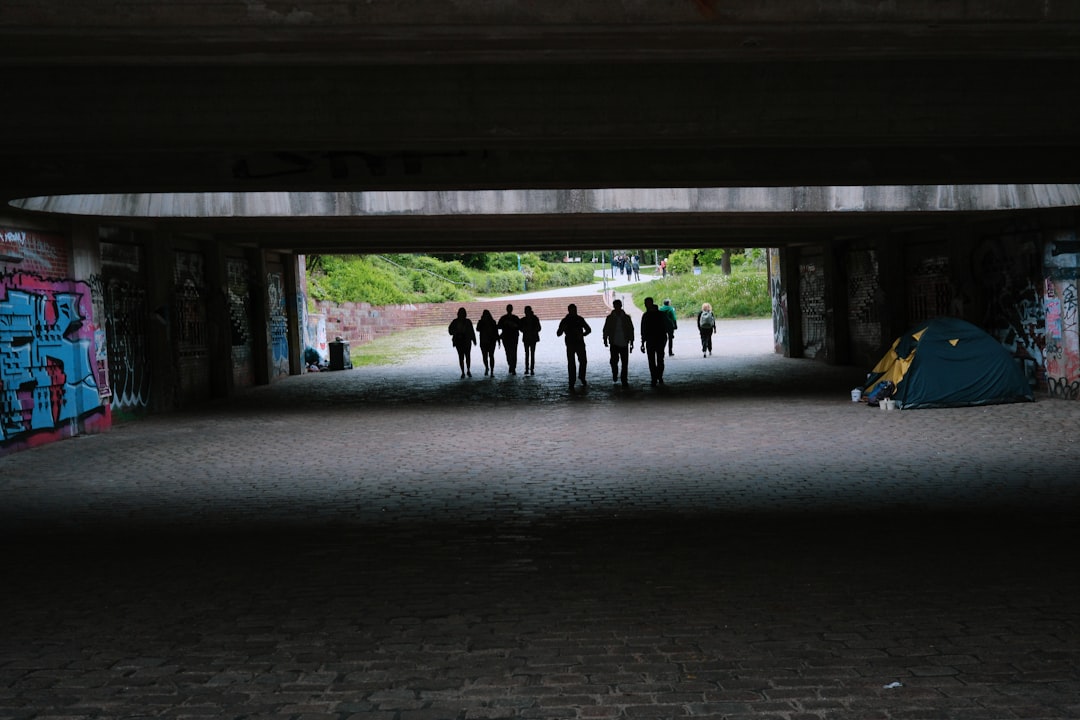
The Shared Silence: Finding Strength in a Quiet Support Group

Why Doing Nothing Is Actually Making Your Anxiety Worse (And What to Do Instead)