Skip to Content

Perfectionism and People Pleasing

How to Say No Without Feeling Guilty When You’re a People Pleaser

How to Say No Without Feeling Guilty When You’re a People Pleaser

You get a text asking for a favor.

Stop Guessing What People Want: Ask One Clear Question

Stop Guessing What People Want: Ask One Clear Question

If you try to keep everyone happy, you probably do a lot of guessing.

Why Trying to Block a Bad Thought Makes It Stronger

Why Trying to Block a Bad Thought Makes It Stronger

You are standing in line, and a strange thought pops into your head.

How to Stop Replaying Awkward Moments in Your Head

How to Stop Replaying Awkward Moments in Your Head

Your brain can act like a video player stuck on one scene.

Stop Googling Your Symptoms: A Simple Plan to Calm the What-If Loop

Stop Googling Your Symptoms: A Simple Plan to Calm the What-If Loop

You feel a small twinge in your chest, a flutter in your stomach, or a headache that won’t quit.
How to Handle Annoying Thoughts That Pop Into Your Head

How to Handle Annoying Thoughts That Pop Into Your Head

A weird thought can show up at the worst time.

How to Stop Replaying Conversations in Your Head

How to Stop Replaying Conversations in Your Head

Your brain can turn one awkward sentence into a movie that plays all night.
How to Face a Fear in Small Steps That Feel Doable

How to Face a Fear in Small Steps That Feel Doable

Facing a fear can feel like standing at the bottom of a huge hill.

How to Face a Fear in Small Steps

How to Face a Fear in Small Steps

Fear grows when you stay away from it.
How to Handle Unwanted Thoughts Without Fighting Them

How to Handle Unwanted Thoughts Without Fighting Them

You pour a glass of water, and a strange thought pops into your head.
Quick Tips

How can I use my senses to make my home more relaxing?

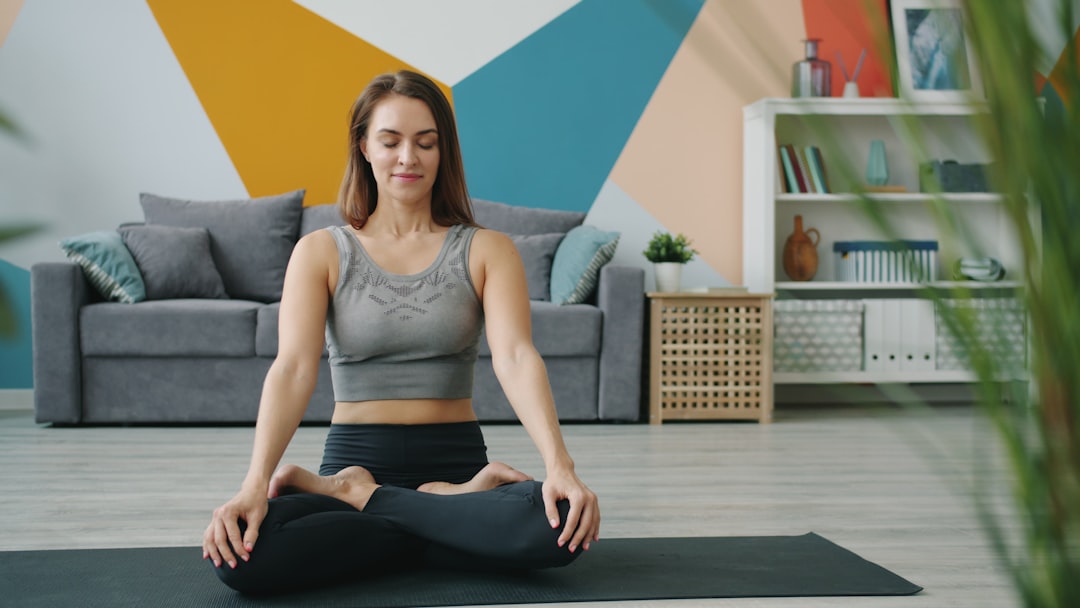
A peaceful place is about more than just what you see. Pay attention to all your senses. For touch, add a soft rug or a comfortable blanket. For smell, a simple candle or an electric wax melter with a calm scent like lavender or vanilla can be nice. For sound, play quiet background music or use a fan for some gentle, steady noise. By making your space pleasant for your senses, you build a stronger feeling of comfort and safety.

How can I find a hobby if I don’t feel excited about anything right now?

It’s completely normal to feel this way when you’re stressed. The key is to start incredibly small and remove all pressure. Don’t look for a huge new passion. Just try a simple, hands-on activity for five minutes. This could be organizing a small shelf, doodling with a pen, listening to one new song, or walking around the block. The goal isn’t to be the best; it’s just to see if you can find a tiny spark of interest or distraction. Often, starting is the hardest part, and a small action can build momentum.

What’s a simple first step I can take to start cutting back?

A great first step is to just create a small gap. Instead of reaching for a drink or a vape the second you feel stressed, try to wait for 10 minutes. During that time, do something else with your hands or mind—get a glass of cold water, step outside for one minute, or do a few stretches. Often, the strong urge will pass. This helps you feel more in control and proves you can handle the feeling without immediately giving in.

How does this help with overwhelming feelings of worry?

This method is a powerful tool against worry because worry is often just a loop of “what if” thoughts with no action. Breaking a problem into steps forces your brain to switch from its emotional, fearful gear into its calm, planning gear. You stop thinking about everything that could go wrong and start focusing on what you can actually do. Each small step you complete is proof that you are handling the situation, which directly counters the helpless feeling that worry creates. It gives your mind a job to do instead of letting it spin.

What is a thinking habit, anyway?

A thinking habit is like a path your thoughts automatically take. For example, if you often think, “I’m going to mess this up,“ before a test, that’s a habit. Your brain has taken that path so many times it’s now the easiest one to travel. The good news is you can build new paths, like thinking, “I’m prepared, and I’ll do my best.“ It takes practice, but soon this new, kinder path becomes the automatic one, helping you feel more confident and less worried.