Loading...
Skip to Content

Probiotics: Tiny Helpers for Your Tummy and Your Mood

Have you ever had a “gut feeling” about something? That phrase is more true than you might think. The way your tummy feels is often directly connected to the way your head feels. When you’re nervous or worried, you might feel butterflies or even a stomachache. It turns out that the health of your gut, which is home to trillions of tiny living bacteria, plays a big role in your mood, including feelings of anxiety.

Now, before you say “yuck” to bacteria, you should know that not all germs are bad. In fact, your gut is filled with both good and bad bacteria. Think of it like a tiny garden inside you. For the garden to be healthy, you want more flowers than weeds. The good bacteria are the flowers, and they help you digest food, fight off the bad guy germs, and even send signals to your brain. Probiotics are simply supplements or foods that give you a big, healthy dose of these good bacteria, like planting more flowers in your garden.

So, how do these tiny helpers in your belly affect your worries? Scientists have discovered a powerful connection called the gut-brain axis. Imagine a superhighway of nerves running between your gut and your brain, with messages constantly going back and forth. When the community of bacteria in your gut is healthy and balanced, it tends to send calm and happy signals up to your brain. But if the bad bacteria take over, they can send stress signals instead, making you feel more on edge and anxious. By taking probiotics, you are helping to crowd out the bad bacteria and support the good ones, which encourages those calming signals to be sent to your brain.

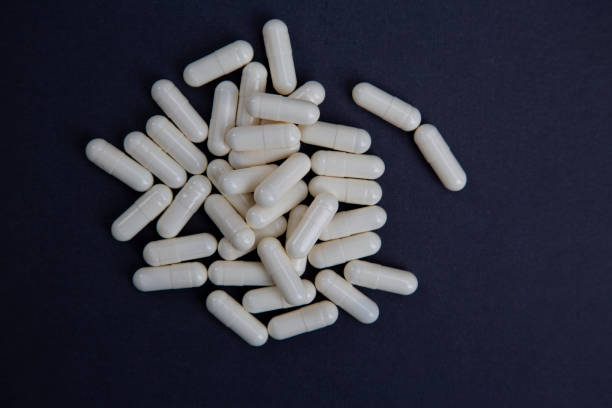
You can find these helpful probiotics in certain foods and as simple supplements. Yogurt with “live and active cultures” is a very common source. Other foods like kefir (a tangy drink), sauerkraut, and kimchi are also packed with good bacteria. If you don’t eat these foods often, a probiotic supplement is an easy way to get your daily dose. They usually come as a small capsule you can take with a glass of water.

Adding probiotics to your routine is a gentle and natural way to support both your digestive health and your peace of mind. By taking care of the friendly bugs in your belly, you are also taking a positive step to calm your thoughts. It’s like doing a small, simple favor for your gut that your whole body, and your mood, will thank you for.

Related Articles

Learn more about Helpful Supplements.

Helpful Supports for Your Body and Mind

Sometimes, life can feel like you’re trying to listen to the radio when it’s full of static.
Learn More

The Calming Power of L-Theanine: Your Secret to a Steadier You

Have you ever felt that jittery, buzzing feeling when you’re nervous?
Learn More

Calming Herbs for a Quieter Mind

Life can get loud sometimes.
Learn More

Quick Tips

What are the best food sources of probiotics?

You don’t always need a pill to get probiotics; you can find them in delicious foods! Some of the best sources are yogurt with “live and active cultures,“ kefir (a tangy drinkable yogurt), and fermented foods like sauerkraut and kimchi. Other good options include kombucha (a fizzy fermented tea) and miso (a paste used in soups). When shopping, look for words like “live cultures” or “fermented” on the label. Adding a serving of these foods to your diet each day is a simple way to feed your gut the good guys.

What exactly are probiotics?

Think of probiotics as tiny, helpful workers that live in your gut. They are live, friendly bacteria and yeasts that are good for your digestive system. You can find them in certain foods like yogurt, kefir, and fermented foods like sauerkraut. When you eat them, they join the community of microbes already in your belly. Their main job is to help keep your gut environment balanced and healthy. They do this by crowding out the less helpful germs, making it easier for your body to digest food and absorb nutrients.

Are there any side effects from probiotics?

When you first start taking probiotics, your body might need a few days to adjust. It’s pretty common to experience some minor, temporary effects like a bit of gas or bloating. This is usually just a sign that the new bacteria are moving in and changing the environment in your gut. These feelings should settle down on their own as your body gets used to them. If you start with a smaller amount and your symptoms are strong or don’t go away, it’s always a good idea to slow down and talk to a doctor.

How can something in my gut affect my anxiety?

It might seem strange, but your gut and your brain are in constant conversation through a special connection often called the “gut-brain axis.“ Your gut sends signals to your brain, and your brain sends signals back. When the balance of bacteria in your gut is off, it can send stress signals to your brain. By adding helpful probiotics, you can help your gut send more “calm” and “everything’s okay” messages instead. A happier gut can contribute to a calmer, less anxious you.

Will I feel a difference right away?

It’s important to be patient. Probiotics are not a quick fix like a pain reliever. You won’t feel a sudden change overnight. Think of it more like planting a garden; it takes time for the seeds to grow. Most people need to take probiotics consistently for several weeks to notice a gradual difference. You might start to feel less bloated, have more regular digestion, or notice a small shift in your general sense of calm. Consistency is the real key to helping those helpful bacteria get established and do their job.