Skip to Content

Relationships and Your Partner

How to Ask Your Partner for a Pause Before You React

How to Ask Your Partner for a Pause Before You React

When your face feels hot and your words are ready to jump out, a fight with your partner can start in seconds.
How to Ask Your Partner for Space When You Feel Anxious

How to Ask Your Partner for Space When You Feel Anxious

When you feel anxious, it can be hard to think or talk.
When Your Friends Spend More Than You Can

When Your Friends Spend More Than You Can

Money worry gets louder when other people are around.
A Calm Office Starts With a Clear Desk

A Calm Office Starts With a Clear Desk

A messy desk is a quiet thief.
How to Say No Without Guilt and Keep Your Calm

How to Say No Without Guilt and Keep Your Calm

You know the feeling.
How to Stay Calm When Your Kids Push Your Buttons

How to Stay Calm When Your Kids Push Your Buttons

Your child says the same thing for the tenth time.

When Your Friends Are Busy and You Feel Alone

When Your Friends Are Busy and You Feel Alone

It can feel awful when you want to hang out and everyone seems busy.

Make Your Bedroom the Calmest Room in Your Home

Make Your Bedroom the Calmest Room in Your Home

A calm home doesn’t happen by accident.
How to Talk About Money Worries With Your Family Without a Fight

How to Talk About Money Worries With Your Family Without a Fight

You check the bank app again.
How to Keep Your Cool When Your Kids Push Every Button

How to Keep Your Cool When Your Kids Push Every Button

Your kid drops a cup, the dog runs through the spill, and another kid yells that the first kid started it.
How a Pet Can Help You Feel More Connected and Less Alone

How a Pet Can Help You Feel More Connected and Less Alone

A pet can change the feel of a room.
How to Make Your Desk a Calm Spot at Work

How to Make Your Desk a Calm Spot at Work

Your desk is where you spend a lot of time.

Quick Tips

How can I remember to be present when I’m feeling overwhelmed?

It helps to connect the practice to something you already do often. This is called an “anchor.“ For example, every time you walk through a doorway, use it as a reminder to check in with yourself. Take one deep breath and notice how you’re feeling. Or, every time your phone dings with a notification, pause for a moment to feel your feet flat on the floor. By linking the practice to daily habits, you build the muscle of noticing the present without it feeling like another chore on your to-do list.

Can changing my food really help me feel less anxious?

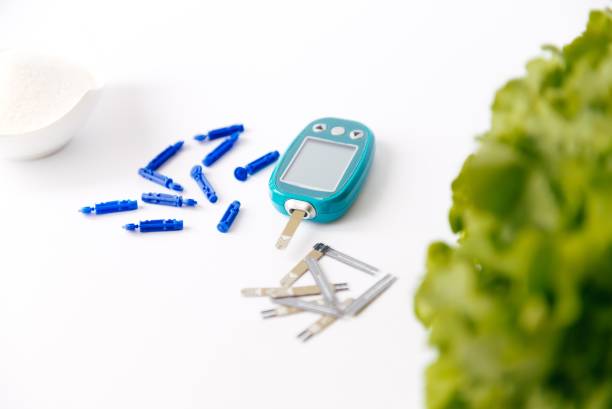
Yes, absolutely. Think of your body like a car; it needs the right fuel to run smoothly. Eating regular, balanced meals helps keep your blood sugar stable. When your blood sugar crashes, it can make you feel shaky and even more anxious. A nutrition expert can show you which foods provide steady energy and which ones might be secretly adding to your stress.

I’m nervous about asking for help. What can I do?

It’s completely normal to feel nervous about asking for help! It can feel scary. A good trick is to plan what you want to say beforehand. You could write it down in a note or a text if saying it out loud feels too hard. Remember that the people who care about you want to support you. Asking for help is a sign of strength, not weakness. It shows you are taking control of your feelings.

Why does slowing down and paying attention help me feel less anxious?

When you rush, your mind is everywhere at once, which can feel chaotic and overwhelming. By slowing down and focusing on one simple task, you give your brain a quiet break. It’s like giving a spinning top a place to rest. You’re not trying to stop your thoughts, but you’re gently guiding them to one safe, simple thing. This makes the “noise” in your head get quieter, and your body naturally starts to relax because it feels grounded in what you’re doing right now.

What if I need my phone for work or school?

This isn’t about quitting your phone completely. It’s about creating small, protected spaces without it. During a work or school task, try closing all your extra tabs and social media apps. When you take a lunch break, leave your phone at your desk. After school or work, you could charge your phone in the kitchen overnight instead of your bedroom. These small habits build fences around your screen time.