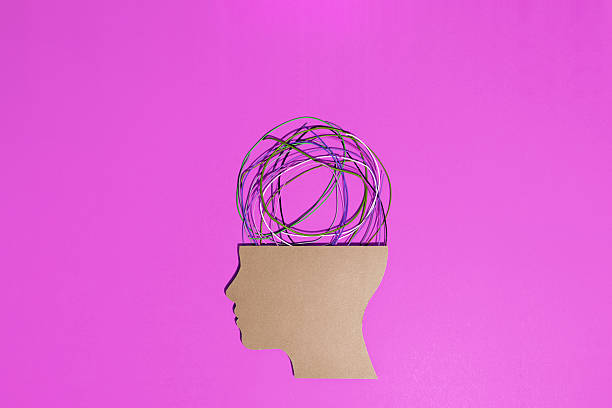
Your body has an alarm system. It is supposed to go off when something seems wrong. Maybe you hear a loud noise, or you have a big test, or you worry about a problem. Your heart beats faster. Your muscles get tight. Your breathing gets quick and shallow. That is the alarm doing its job. The problem is when the alarm gets stuck on. You may feel jumpy, sick, or tired, and you may not know how to turn it down.
One simple way to help turn down that alarm is to slow your breathing. Slow breathing is not fancy. You do not need special gear. You do not need to sit in a certain pose. You just need to breathe more slowly than usual, especially as you let the air out. This can be a strong signal to your body that it is safe to relax. It is something you can do almost anywhere, and no one around you even has to know.
The vagus nerve is part of why this works. Think of it like a long phone line that runs from your brain to many parts of your body. It helps your body switch from full alert to a calmer state. When the vagus nerve is doing its job well, your heart can slow down, your breathing can get smoother, and your body can focus on things like rest and digestion. You do not have to “think” this into happening. You can use simple actions to help it along.
Slow breathing is one of those actions. When you breathe quickly and from your chest, your body may get the message that you are rushed or scared. When you breathe slowly and from your belly, and when you make the out-breath a little longer than the in-breath, your body gets a different message. That message is calmer. It says, “No one is chasing me right now. It is okay to ease up.”
You can try this right where you are. Sit or stand in a comfortable way. Let your shoulders drop. Breathe in through your nose for a slow count of four. Do not force a huge breath. Just let the air come in. Then breathe out through your mouth for a slow count of six. Make the out-breath smooth, not harsh. Do that a few times. If six feels too long, use four in and five out. The exact numbers matter less than the slow, steady rhythm. The longer out-breath is the part that helps your body settle.
You might notice your mind wandering. That is normal. Just bring your attention back to the next breath. You are not trying to empty your mind. You are giving your body a simple job to do. Slow breathing gives your alarm system something steady to follow.
Slow breathing can help in small, real moments. You can use it before you speak in class. You can use it when you feel your chest get tight. You can use it at night when your thoughts are racing. You can use it after a tense talk with a friend. It is not a magic switch, and it may not fix everything in one minute. But it can lower the volume. It can give you a little space between a scary feeling and your next move. That small space can help you choose what to do next instead of reacting fast.
The key is to practice when you are calm, too. If you only try slow breathing when you are already very upset, it may feel hard. Practice for one minute while you are waiting for a bus or before you start your homework. Then, when stress shows up, the skill is easier to reach. You are teaching your body a simple path to calm.
Your vagus nerve is not something you have to track or control with your mind. It is part of your body’s built-in calm-down system. Slow breathing is a free, easy way to work with it. You do not need to be perfect. You do not need to do it for a long time. A few slow breaths with a longer out-breath can be enough to tell your body, “The alarm can quiet down now.”