Splash Cold Water on Your Face to Calm Down Fast
Here’s how it works. Your body has a built-in reflex called the mammalian dive reflex. That’s a fancy name for something your ancestors used when they jumped into cold rivers. When cold water hits your face, especially around your nose and eyes, your brain gets a signal that says, “Hey, we’re underwater. Time to slow everything down so we don’t drown.” Your heart rate drops. Your breathing slows. Your blood vessels tighten up to save oxygen for your brain and heart. This is the exact opposite of what happens during an anxiety spike. During anxiety, your body speeds up—heart races, breathing gets shallow, muscles tense. The cold water reflex slams the brakes on all of that.
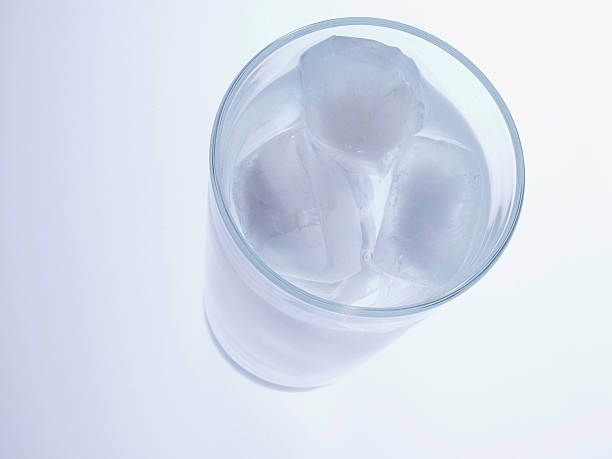
You don’t need to jump into a lake or take an ice bath. That would be overkill and probably uncomfortable. The easiest way to trigger this reset is to splash cold water on your face. Or better yet, fill a bowl with cold tap water. If you want to make it even more effective, add a few ice cubes. Then take a deep breath, hold it, and dunk your whole face into the bowl for about fifteen to thirty seconds. Keep your eyes open if you can. The water should feel shockingly cold—not painful, but definitely a jolt. When you come up, take a slow, easy breath. You’ll probably notice your heart isn’t pounding as hard. The racing thoughts might have quieted down a little. That’s the reset happening.
If you don’t have a bowl handy, you can use a sink. Turn on the cold tap, cup your hands, and splash water on your face repeatedly. Some people like to hold an ice cube on their cheek or the back of their neck. Another option is to step into a cold shower for thirty seconds. The cold shower works the same way, but it’s a bigger shock. Start with just a quick blast and see how you feel. The key is to make the water cold enough to get your attention, but not so cold that you panic. You want your body to notice the change and flip the switch from alarm mode to calm mode.
Why does this work so well for anxiety? Because your brain has two main systems: one that gets you ready for danger—the alarm—and one that helps you rest and recover. When you’re anxious, the alarm system is in charge. Cold water on your face forces your brain to pay attention to the physical sensation instead of the scary thoughts. It’s like redirecting a kid who is throwing a tantrum. You give them something else to focus on. The cold sensation is so strong and immediate that your brain can’t ignore it. While your brain is busy processing “cold water on my face,” the anxiety alarm gets put on hold. Afterward, your calm system takes over naturally.
This trick is especially handy for moments when you feel a panic attack coming on. You know that wave of dread that starts to rise? That’s your alarm going off. If you can get to a sink or a bathroom quickly, splashing cold water can stop that wave before it crashes. It’s not a cure for anxiety in the long run—that takes practice, maybe talking to someone, and learning other skills. But for a quick fix in a tough moment, cold water is hard to beat. It’s free, it’s private, and it works in under a minute.
One thing to keep in mind: don’t use this trick if you have a heart condition or if your doctor told you to avoid sudden cold exposure. For most people, it’s perfectly safe. But listen to your body. If the cold water feels more like a shock than a reset, start with lukewarm water and work your way colder. The goal isn’t to torture yourself. The goal is to give your body a gentle (or not so gentle) nudge back to calm.
Think of it like this. Your body’s alarm system is like a sensitive car alarm that goes off when a leaf falls on the hood. You can’t reprogram the alarm instantly, but you can walk over and press the reset button. Cold water is that reset button. The next time your heart starts racing for no good reason, walk to the nearest sink, turn on the cold water, and give yourself a ten-second face splash. Breathe. Feel the coolness. Let your body remember what calm feels like. You’ll be surprised how much better you feel.
Related Articles
Learn more about Calming Your Body's Alarm System.

Gentle Movement: Calming Your Body’s Alarm System
The Cold Water Face Trick: A Quick Way to Calm Down