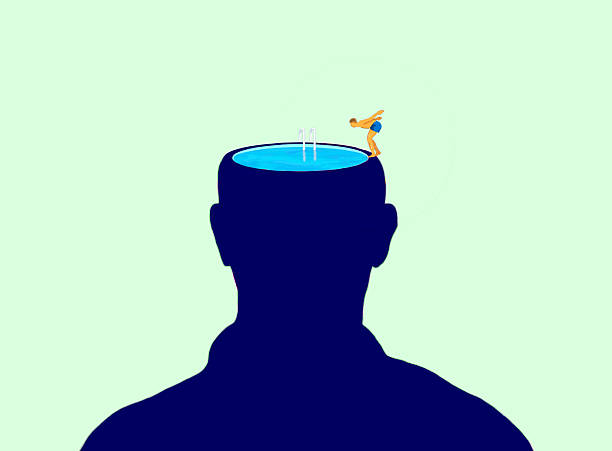
Stop Imagining the Worst Case Scenario
This is one of the most common unhelpful thinking habits, and it has a big, scary name, but let’s just call it what it is: imagining the worst. Your brain is trying to protect you by spotting any possible danger. It is like a very anxious guard dog that barks at every single leaf that blows by. The problem is that this guard dog is barking at things that aren’t actually dangerous, but you still get the full heart-racing, stomach-churning panic anyway.
When you imagine the worst, you skip over all the normal, boring, or even good possibilities. You jump straight to the disaster. You tell yourself a story that has a terrible ending, and then you start to believe that story is true. You react to your own made-up story as if it is a real fact. This makes your anxiety skyrocket, and it makes you feel stuck and scared.
Here is the thing. Your brain is fast, but it is not always accurate. It takes shortcuts, and one of those shortcuts is to assume the worst so you can get a head start on running away. But most of the time, the worst thing does not happen. The text from your boss is probably not about firing you. The friend who hasn’t replied is probably just busy. That weird noise your car made was probably just a pebble.
So, how do you catch yourself doing this? How do you stop the guard dog from barking at leaves?
First, you have to notice you are doing it. Pay attention to that moment when your stomach drops or your mind starts racing. When you feel that rush of panic, stop. Just pause for one second. Ask yourself one simple question: what else could be true?
This is the most powerful thing you can do. Your brain has already given you one answer, which is usually a disaster. Now, force it to come up with other answers. Maybe your boss wants to tell you good news. Maybe your friend is just having a busy day. Maybe that noise was nothing. Come up with at least two or three other possibilities that are not the worst. They do not have to be happy possibilities. They just have to be possible.
The goal here is not to trick yourself into being positive. The goal is to remind yourself that you do not actually know what is going to happen. You are guessing, and your first guess is usually a scary one. By coming up with other guesses, you loosen the grip of that scary story.
Let me give you a simple example. You are waiting for someone to meet you for coffee. They are ten minutes late. Your brain might say, “They forgot about me. They stood me up. They think I am boring.“ If you catch that thought, you can pause and say, okay, what else could be true? They might be stuck in traffic. They might have lost track of time. Their phone might have died. Maybe they are just running late like a normal person. None of those are disasters. They are just regular things that happen.
Once you have a few other possibilities, you can take a small step. Instead of sending an angry text or leaving in a huff, you can just wait a few more minutes. Or you can send a simple, “Hey, everything okay?“ text. You do not have to act on your scary story. You can wait for real facts.
This takes practice. The first few times you try it, you will probably still feel anxious. That is normal. Your guard dog has been barking for a long time, and it does not shut up overnight. But every time you stop and ask “what else could be true?“ you are training your brain to slow down. You are teaching it to look at the full picture, not just the scariest one.
Remember, you are not trying to be fake happy. You are just trying to be realistic. And the reality is, the worst case scenario is rarely the most likely one. Most of the time, things are just fine. Your job is to stop your brain from inventing disasters that do not exist. You can handle what actually happens. You do not need to practice handling things that never will.
Related Articles
Learn more about Changing Your Thinking Habits.

Talk to Yourself Like You’d Talk to a Friend

The Transformative Power of Putting Pen to Paper