Stretching Away the Jitters
Here’s the good news: you can turn that alarm down. You don’t need special equipment. You don’t need to meditate for an hour. You don’t need to be flexible or good at sports. All you need is to move your body in a gentle, slow way. Think of it like hitting the “reset” button for your nervous system. Stretching and slow walking are two of the simplest tools you have. They work because they tell your body, “Hey, we’re safe now. We can relax.“
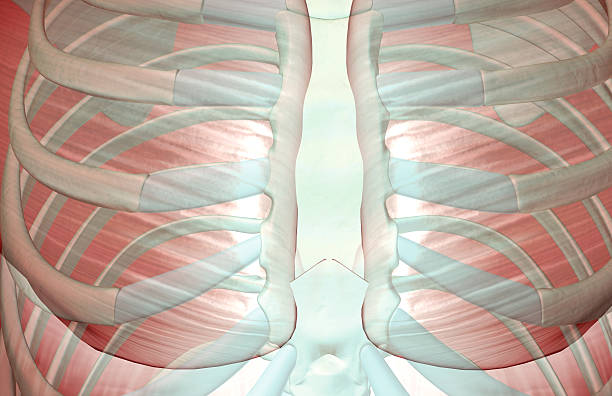
Let’s start with stretching. Not the kind where you try to touch your toes and grunt. I’m talking about the kind of stretch you do when you wake up in the morning. You lift your arms over your head. You point your toes. You arch your back like a cat. That feels good, right? That’s your body’s natural way of releasing tension. You can do that any time of day. When you feel the jitters coming on, stop what you’re doing. Stand up if you can. Take a deep breath in. Then, as you breathe out, slowly lift your arms up to the ceiling. Reach for the sky like you’re trying to grab a cookie off a high shelf. Hold it for a few seconds. Feel the pull in your sides, your shoulders, your ribs. Then slowly let your arms float back down. Do that three times.
Next, roll your shoulders. Lift them up to your ears as high as you can. Hold them there for a second. Then drop them with a big sigh. Do that five times. You’ll feel your neck and upper back start to loosen up. That’s the alarm system getting a signal to chill out. Your body can’t be tight and relaxed at the same time. When you stretch, you send a message to your brain: “It’s okay to let go.“ The brain listens.
Now, try a neck stretch. Gently tilt your head to the right, like you’re trying to touch your ear to your shoulder. Don’t force it. Just let gravity do the work. Breathe. Stay there for about twenty seconds. Then switch to the left. This is a tiny movement, but it can release a ton of tension you didn’t even know you were holding. Most people hold stress in their neck and jaw. Just moving those muscles slowly can make a huge difference.
After stretching, try a slow walk. Not a power walk. Not a fitness walk. A slow, aimless walk. Go outside if you can. If not, walk around your house or office. The key is to move at half your normal speed. Let your arms swing loosely. Look at things like you’re seeing them for the first time. Notice the color of a leaf. The way the light hits the floor. The sound of your own footsteps. When you walk slow, you give your brain a chance to shift gears. Your breathing naturally deepens. Your heart rate slows down. It’s like you’re telling your alarm system, “We’re not running from anything. We’re just taking a stroll.“
You can combine walking with stretching. Stop every few minutes to stretch your arms or roll your ankles. Or just keep walking for five or ten minutes. The goal isn’t to go anywhere. The goal is to be in your body instead of in your head. When your mind is racing with worries, your body follows. But when you move your body slowly and gently, your mind has no choice but to slow down too. It’s a two-way street.
Here’s a little trick that works for me. When I feel the jitters, I picture my alarm system as a noisy smoke detector. It’s beeping because it thinks there’s a fire. But there’s no fire. So instead of trying to ignore the beeping, I do something physical. I stretch. I walk. I shake out my hands. And the beeping gradually stops. The alarm doesn’t turn off all at once. It fades. The stretch is the signal that says, “False alarm. All clear.“
You don’t have to do this perfectly. You don’t have to stretch for twenty minutes. Even thirty seconds of slow movement can make a difference. Try it next time you feel that tightness in your chest or that knot in your stomach. Stand up. Reach tall. Roll your shoulders. Take a slow walk around the room. Your body knows how to calm down. You just have to give it a little nudge.
Related Articles
Learn more about Calming Your Body's Alarm System.
The Simple Guide to Mastering Belly Breathing