Stretching Out the Worry: How Simple Moves Can Quiet Your Body’s Alarm
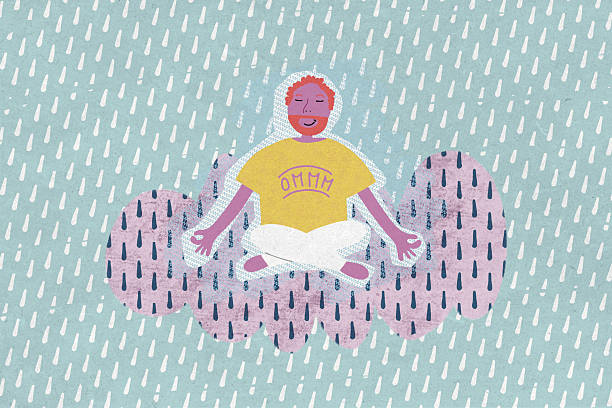
Let’s talk about stretching first. Think of your muscles like rubber bands. When you’re anxious, those rubber bands get pulled tight and stay that way. They hold onto tension like a stubborn knot. Stretching gently tells your body, “Hey, we’re safe now. You can let go.“ It’s not about how far you can reach or how long you can hold a pose. It’s about giving your muscles permission to soften. The really cool part is that when your muscles relax, your brain gets the message too. Your heart rate starts to drop. Your breathing slows down. The alarm quiets.
You don’t have to make it complicated. Here’s something you can try right now, wherever you are. Take a slow, deep breath in. As you breathe out, let your shoulders drop. Just let them fall. Then roll your head gently from side to side, like you’re saying “no” to worry. Reach your arms up toward the ceiling, then slowly let them float back down. That’s it. That’s one minute of stretching. You might feel a tiny release, like a sigh in your muscles. That’s your body saying thanks.
Another easy move is standing up and reaching for the sky, then slowly bending forward like a rag doll. Let your head hang heavy. Let your arms dangle. Stay there for a few breaths. This kind of stretch tells your spine to lengthen and your back to let go. It’s like shaking out a wrinkled blanket. The tension starts to fall away.
Now, what about slow walking? Walking might seem too simple to help with anxiety, but don’t underestimate it. When you walk slowly, you send a message to your nervous system that you are not in a hurry. You are not running from a tiger. You are just moving, one step at a time. This calms the alarm because your body reads slow walking as a sign of safety. Fast walking says “I need to get somewhere fast.“ Slow walking says “I have all the time in the world.“
Try this the next time you feel wound up. Step outside if you can. If not, just walk slowly around your room or down a hallway. Pay attention to how your foot feels as it touches the ground. Notice the way your weight shifts from your heel to your toe. Let your arms swing naturally. Breathe in for a few steps, then breathe out for a few steps. Don’t try to control your breathing too much. Just let it follow your pace. After a few minutes, check in with your body. The tightness in your chest might have loosened. The knot in your stomach might feel smaller. Your head might feel clearer.
The reason this works is because your body and mind are linked. When you move your body gently, you give your mind a break from its alarm loop. Instead of thinking about what’s worrying you, you start thinking about your breath, your steps, the way your arm stretches overhead. That shift in focus is powerful. It pulls you out of your head and into your body, where the real calming happens.
You don’t need to set aside a whole hour for this. Five minutes is plenty. Even one minute can help. The key is to do it when you first notice your alarm going off. Don’t wait until you’re totally overwhelmed. Catch it early. Stretch your neck. Take a slow walk to the kitchen and back. That small act can stop the alarm from blaring and help you feel more in control.
If you ever feel silly doing stretches in your living room or walking slowly around your office, remember that you’re not just moving your body. You’re teaching your alarm system to chill out. That’s a big deal. And the more you practice, the better your body gets at calming down on its own.
So next time you feel that tightness creep in, try a gentle stretch or a slow walk. Let your body know it’s okay. You’ve got this.
Related Articles
Learn more about Calming Your Body's Alarm System.
The Simple Guide to Mastering Belly Breathing