Tense and Release to Tell Your Body You’re Safe
Here’s the basic idea. When your alarm system is on, your muscles hold tension without you even noticing. You might have tight shoulders, a clenched jaw, or a stiff neck. That tension sends a message back to your brain that says, “Still danger here.“ It’s a loop. Your brain tells your muscles to tighten, and your tight muscles tell your brain to stay scared. Tense and release breaks that loop. You deliberately tighten a muscle group for a few seconds, then you let it go completely. When you let go, your muscles get very loose. That loose feeling sends a different message to your brain. It says, “No danger. We’re safe.“ Your brain listens. It starts to calm your whole body down.
Let’s say you want to try it right now. Start with your hands. Make two tight fists. Squeeze them hard for about five seconds. Feel the tension in your fingers and knuckles. Really notice it. Then, all at once, let go. Let your fingers open and flop loose. Feel the difference. Your hands feel lighter, maybe even warm or tingly. That’s your body starting to relax. That feeling is the message. Do it again with your fists, but this time, breathe out slowly as you release. Breathing out helps your body relax even more. Then move to your arms. Bend your elbows and flex your biceps like you’re showing off a muscle. Hold it. Feel that tightness. Then drop your arms heavy and loose. Let them hang like noodles. Notice the tingle. That’s good.
After your arms, go to your shoulders. Shrug them up toward your ears as high as you can. Hold. Feel the pinch in your neck and upper back. Then let them drop down. Let them fall far away from your ears. Feel the release. Your shoulders might feel like they’re sinking. That’s your alarm system turning down a notch. Next, your face. Squeeze your eyes shut, scrunch your nose, and clench your jaw. Hold it. Feel how tight your whole face gets. Then let everything go. Open your mouth slightly, soften your eyes, relax your forehead. This one is great because we hold so much stress in our faces without knowing it.
Now move to your stomach. Tighten your belly like you’re bracing for a small punch. Hold it. Feel the pressure. Then let it all go soft. Let your belly be like jelly. Take a slow breath in, and as you breathe out, let your stomach go even looser. Then your legs. Straighten your legs and point your toes, like you’re trying to touch something far away. Squeeze your thighs and calves. Hold. Then release. Let your legs fall heavy into the floor or chair. Let all the weight sink down. Finally, your feet. Curl your toes under and press down. Feel the arch of your foot tighten. Hold. Then uncurl and let your toes spread out loose. Feel that.
When you finish the whole sequence, sit or lie still for a minute. Notice how your whole body feels different. Lighter. Calmer. Heavier in a good way. That’s your body getting the message: safe, safe, safe. The more you practice tense and release, the better your body gets at relaxing quickly. You can do it in bed before sleep, at your desk after a hard class, or even standing in line. No one has to know. Just squeeze, hold, and let go. It takes less than ten minutes. It’s not weird or mystical. It’s just a direct way to talk to your nervous system in a language it understands. So the next time your alarm is blaring, try this. Your body will thank you, and you’ll feel a whole lot calmer.
Related Articles
Learn more about Calming Your Body's Alarm System.
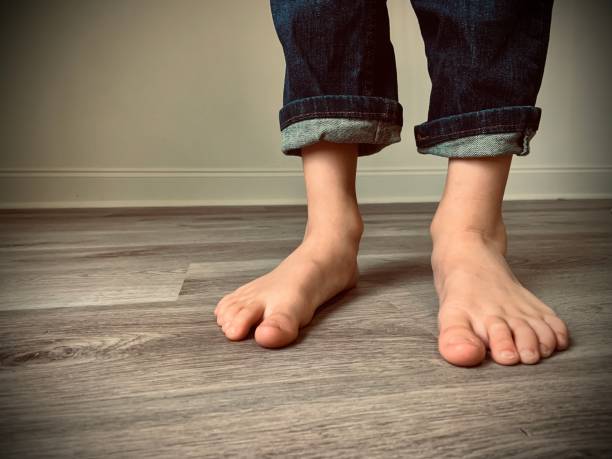
How a Simple Walk in Your Bare Feet Can Quiet Your Alarm System