The Brain Dump: How Writing Down Your Worries Clears Your Mind
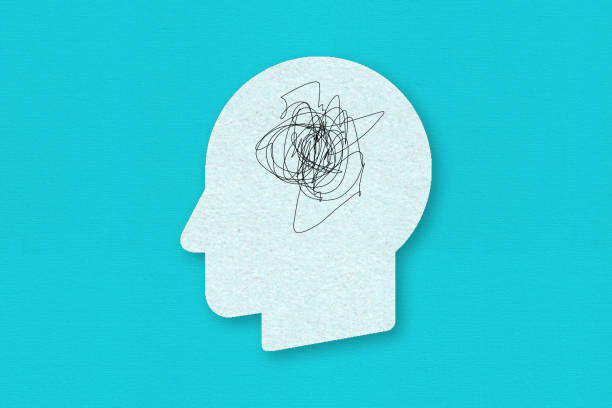
Think of your mind like a computer with a million tabs open. Every worry, every “what if,” every little thing you’re stressed about is a tab. And your brain is trying to keep them all running at once. That’s exhausting. Writing down your thoughts is like closing a bunch of those tabs. You’re not deleting them forever—you’re just moving them from your head to somewhere safe. Once they’re on paper, your brain can finally stop trying to remember them. It can relax.
Let’s say you’re lying in bed at night, and you start thinking about that thing you said to a friend three years ago. Then you worry about tomorrow’s test. Then you remember you forgot to reply to a text. Then you’re thinking about money. Round and round it goes. That’s called a thought spiral, and it’s a big reason why anxiety sticks around. But if you grab a notebook and write down every single thought that pops up—no filter, no trying to make it sound good—something changes. You see all those worries staring back at you. And a funny thing happens: they look smaller. They look less scary. You realize, “Oh, that’s just a thought. I can deal with that tomorrow.”
Writing down your feelings also helps you spot patterns. Maybe you notice that every time you feel anxious, it’s because you’re about to do something new. Or maybe your stomach gets tight whenever someone doesn’t text you back. When you write it all down, you start to see how your brain works. And once you see the pattern, you can start to change it. You can say to yourself, “Every time I feel this way, it’s because I’m worried about being judged. I’ve felt this before, and I got through it. I’ll get through it again.” That’s a huge step toward lowering anxiety.
You don’t need a fancy journal or special pens. A scrap piece of paper works. Even the notes app on your phone. The only rule is to write without stopping for a few minutes. Don’t worry about spelling or making sense. If you write “I hate this feeling I wish it would stop why can’t I just be normal” that’s perfect. You’re not writing a poem. You’re unloading a heavy backpack.
Some people call this a “brain dump.” Others call it journaling. But don’t let that word scare you. It’s not about being deep or poetic. It’s about getting the junk out of your head so you can breathe. And the best part is, once you’ve written it, you can choose what to do with it. You can rip it up. You can burn it. You can write a solution next to the problem. You can just leave it there and close the notebook. The point is, you have a choice now. Your thoughts aren’t trapped in your head running wild.
Try this tonight. Before you go to sleep, grab something to write with. Set a timer for five minutes. Write everything that comes to mind—even the dumb stuff. Especially the dumb stuff. When the timer goes off, close the notebook, put it aside, and go to sleep. You might be surprised how much lighter you feel. Your brain will thank you for giving it a break.
Writing down your thoughts and feelings is one of the easiest ways to change how you think. It’s like cleaning up a messy room. You can’t relax when there’s clutter everywhere. The same goes for your mind. So grab a pen and dump it all out. Your head will feel clearer, and your anxiety will start to shrink. It takes practice, but it works. Give it a shot.
Related Articles
Learn more about Changing Your Thinking Habits.