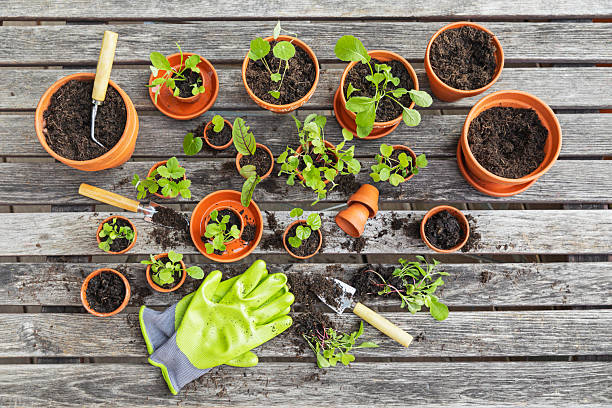
The Calm of Digging in the Dirt: How Gardening Eases Anxiety
First, gardening forces you to focus on the moment. When you are digging a hole for a plant or pulling out a weed, your mind cannot wander to that awkward thing you said three years ago or the email you are dreading tomorrow. Your hands are busy. Your eyes are on the dirt. You notice the color of the soil, the tiny bug crawling by, the feel of a leaf between your fingers. This is what experts call being present, but you do not need a fancy word for it. It is just paying attention to what is right in front of you. And when you are paying attention to that, your anxious thoughts take a back seat. They might still be there, but they are quieter. They have to wait their turn.
Another big reason gardening helps is that it gives you a sense of control. Anxiety often makes you feel powerless. You cannot control what other people think, what the news says, or what happens tomorrow. But you can control a seed. You can decide where to plant it, how much water to give it, and whether to put it in sun or shade. When you see that first little green sprout push through the soil, you know you did that. You made it happen. That feeling of being in charge, even of something tiny, can remind your brain that you are not helpless. And over weeks and months, watching a plant grow from a tiny speck into something full and strong can make you feel proud. That pride pushes anxiety further away.
Gardening also gets you outside, and nature has a way of calming you down without you even trying. Think about the last time you sat under a tree or walked in a park. Did your shoulders drop a little? Did your breathing slow down? The sun on your skin, the breeze on your face, the sound of birds—these things are like a reset button for your nervous system. You do not need to hike a mountain to feel it. Even ten minutes watering your tomato plants on the porch can change your mood. Plus, being outside often means moving your body. Bending, stretching, lifting a bag of soil—gentle movement releases tension from your muscles. And when your body relaxes, your mind usually follows.
You might think you need a big yard or fancy tools to garden. Not true. A single pot on a balcony, a small box in a sunny window, or even a cup of soil on your desk can work. You can grow herbs like basil and mint. You can plant a sunflower in a coffee can. The size does not matter. What matters is that you are doing something with your hands, something that takes a little time and a little patience. And patience is exactly what anxiety hates. Anxiety wants fast answers and quick fixes. Gardening teaches you to wait, to trust the process, to accept that some things take time. That lesson can spill over into the rest of your life, helping you feel less urgent, less rushed.
One more thing: gardening can connect you with people, even if you do it alone. Maybe you swap seeds with a neighbor. Maybe you ask a friend for advice on keeping a plant alive. Maybe you join a community garden where you work alongside others who also want to calm their minds. Sharing a hobby makes you feel less alone. And when anxiety makes you think no one understands, finding someone who also likes getting dirt under their nails can be a relief. You do not have to talk about your worries. You just dig and plant together. That quiet company is its own kind of medicine.
Now, I am not saying gardening will erase your anxiety forever. It won’t. But it can give you a break. It can give your brain a different job to do. It can remind you that good things take time, that you can create something beautiful from a tiny seed, and that sometimes the best way to feel better is to go outside and put your hands in the dirt. So try it. Get a cheap pack of seeds, some soil, and a pot. Plant something. Water it. Watch it grow. And see if that little green sprout does not help you breathe a little easier.
Related Articles
Learn more about Your Surroundings and People.
Why a Clear Floor Can Clear Your Mind