The Clear Connection: How Hydration Lifts Your Spirits
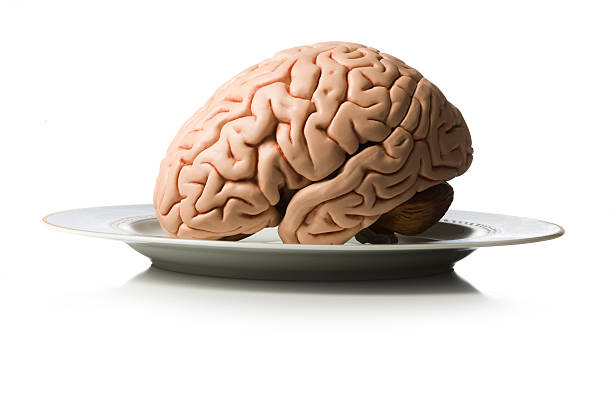
At its core, the human brain is an organ exceptionally sensitive to hydration levels. Composed of approximately 75% water, every cognitive process, from forming a thought to regulating an emotion, depends on a well-hydrated environment. When fluid intake falls short, the body initiates a subtle crisis. To conserve resources, blood volume can drop, making the heart work harder to pump oxygen and nutrients to the brain and other organs. This reduced blood flow can lead to feelings of fatigue, brain fog, and difficulty concentrating. The mental effort required to complete simple tasks increases, fostering frustration and irritability. In this sense, dehydration creates a low-grade physiological stress, and the body’s emotional response to that stress is often a sour or anxious mood.
The mood-water link extends beyond mere blood flow into the delicate realm of neurotransmitters and hormones. Proper hydration is essential for the production and function of key brain chemicals that govern our feelings. Serotonin, often called the “feel-good” neurotransmitter, relies on the efficient transport of amino acids like tryptophan across the blood-brain barrier—a process optimized in a hydrated state. Furthermore, dehydration triggers the release of cortisol, the body’s primary stress hormone. Elevated cortisol levels are associated with heightened anxiety, tension, and a lower threshold for frustration. Therefore, drinking water acts as a gentle modulator of our internal biochemistry, supporting the systems that promote calm and happiness while suppressing those that signal stress.
There is also a significant cognitive component to this effect. Research has consistently shown that mild dehydration, as little as a 1-2% loss of body water, can impair cognitive performance, particularly in areas like short-term memory, attention, and executive function. When the brain is struggling to focus, process information, or make decisions, the emotional consequence is often a sense of being overwhelmed or mentally drained. By rehydrating, we clear the cognitive cobwebs, restoring mental clarity and a sense of control. This regained competence directly boosts mood by reducing the negative emotions tied to struggle and inadequacy.
Moreover, the simple act of drinking water can be a mindful pause in a hectic day, a small act of self-care that signals to the subconscious that one’s well-being is a priority. In a more direct physical sense, dehydration often manifests through unpleasant somatic symptoms like headaches, dry mouth, and lightheadedness, all of which can dampen one’s spirits. Alleviating these discomforts through hydration naturally removes a source of distress, allowing for a more positive baseline mood.
Ultimately, water is the essential solvent for life’s biochemical reactions, and our emotional landscape is no exception. Maintaining hydration is not a magical cure for clinical depression or severe anxiety, but it is a foundational pillar of everyday wellness. It ensures the brain operates efficiently, keeps stress hormones in check, and supports the very chemicals that color our world with optimism. So, the next time you feel a wave of unexplained irritability or mental fatigue, consider reaching for a glass of water. In quenching your body’s thirst, you may very well be quenching your mind’s thirst for equilibrium, proving that sometimes the simplest solutions are the most profound for nurturing a brighter, more balanced mood.
Related Articles
Learn more about Food and Mood.
Good Fats, Bad Fats, and Your Brain’s Health