The Connection Between Caffeine and Anxiety
Caffeine is a stimulant. That just means it wakes up your brain and your body. It blocks a natural chemical in your brain that makes you feel tired. That is why coffee, tea, and energy drinks help you feel more alert. But for a lot of people, caffeine can also crank up the anxiety dial. If you already deal with anxiety, even a small amount of caffeine can make it worse. It can make you feel jumpy, nervous, or on edge. It can make it harder to fall asleep or stay asleep, and we all know that being tired only makes anxiety worse.
The thing is, everyone reacts to caffeine differently. Some people can drink coffee after dinner and sleep like a baby. Other people have one soda in the afternoon and then lie in bed staring at the ceiling, worrying about everything. Your body, your age, your genes, and even your stress level all play a part in how caffeine hits you. That is why it can be tricky to figure out if caffeine is making your anxiety worse, and how much is too much for you.
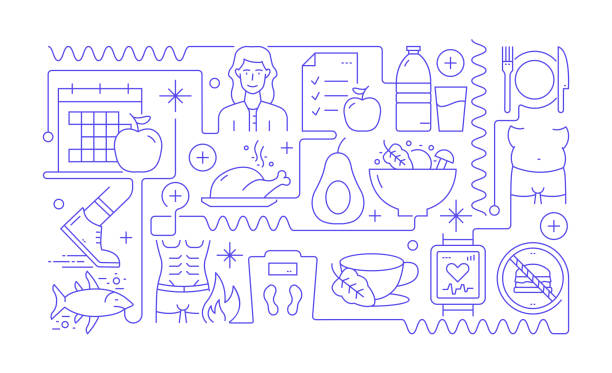
This is where seeing a nutrition expert can really help. You might be thinking, “I don’t need a fancy expert to tell me to drink less coffee.“ But it is not that simple. A nutrition expert, sometimes called a dietitian or a nutrition coach, looks at your whole picture. They don’t just tell you to cut out caffeine cold turkey. They help you understand how your diet affects your mood and your nerves. They can help you figure out your own personal tolerance to caffeine, and they can suggest healthier swaps that still give you energy without the jitters.
For example, maybe you are used to drinking three cups of coffee every morning. A nutrition expert might suggest slowly replacing one of those cups with green tea or a smoothie. Green tea has less caffeine than coffee, and it also has a different kind of chemical called L-theanine that helps calm your brain. Or maybe they will help you look at your water intake. Believe it or not, dehydration can actually make anxiety worse, and caffeine makes you pee more, which dries you out. So drinking more water throughout the day can be a simple fix.
Another thing a nutrition expert can do is help you balance your meals. When you eat protein, healthy fats, and complex carbs, your blood sugar stays steady through the day. When your blood sugar crashes, it can trigger that same shaky, panicky feeling that caffeine gives you. So if you are eating a lot of sugary snacks or skipping meals, your anxiety might be worse no matter how much coffee you drink. A nutrition expert can show you how to build meals that keep your mood steady and your energy level even.
They can also help you look at other things in your diet that might be hiding behind your anxiety. Things like alcohol, artificial sweeteners, or even too much salt can mess with your stress response. A nutrition expert knows how to spot those sneaky triggers.
The best part is that working with a nutrition expert is all about your unique life. They are not going to hand you a one-size-fits-all plan. They will ask what you like to eat, what your day looks like, and what feels realistic for you. If you love your morning coffee, they will help you find a way to keep it in your life without it sending your anxiety through the roof. Maybe that means switching to a smaller cup, adding a splash of milk to slow down the absorption, or drinking it after you have eaten something.
So if you have tried breathing exercises, therapy, and getting more sleep, but your anxiety is still hanging around, take a look at what you are drinking. Caffeine might be the hidden piece of the puzzle. And if you are not sure where to start, a nutrition expert can help you sort it out. They have the tools and the knowledge to help you make small changes that add up to a calmer, steadier you. You do not have to give up your favorite drinks forever, but you might just learn how to enjoy them without the side of panic.
Related Articles
Learn more about Getting Extra Help.

Getting Past the Jitters of Your First Anxiety Support Group
How to Talk to Your Doctor About Anxiety Medication Without Feeling Awkward