The Simple Trick of Counting Your Breaths
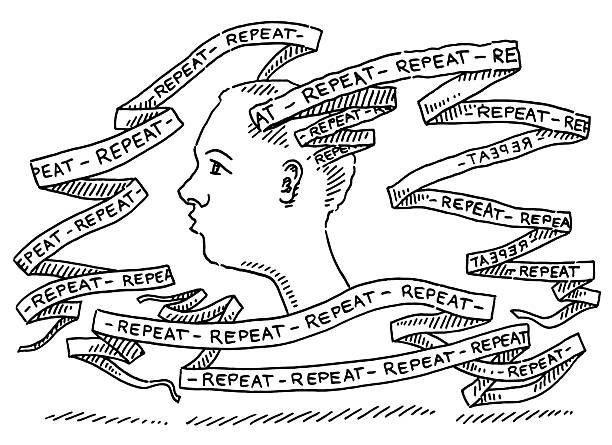
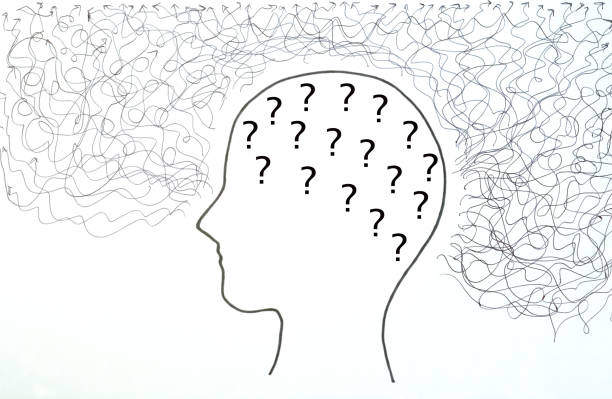
Here’s why this works. Your brain gets all jumbled up when you’re anxious because it’s trying to think about ten different things at once. You’re worried about tomorrow, you’re replaying something from last week, and you’re also trying to figure out what to make for dinner. That’s a lot of noise. But when you start counting your breaths, you give your brain one single job. Just count. In, that’s one. Out, that’s two. That’s all. And when your brain has only one job to do, it stops spinning. It’s like taking a screaming toddler and handing them one toy. They calm right down.
The best part is that you don’t need to do anything complicated. You don’t need to breathe a certain way or hold your breath or puff up your chest. Just breathe normally, like you’re letting out a big sigh at the end of a long day. Then, in your head, count the breaths. Inhale and call it one. Exhale and call it two. Then three on the next inhale, four on the next exhale. Keep going up to ten. When you hit ten, just start over at one. That’s the whole exercise.
Now, a big thing happens when you do this. You mess up. Maybe you get to six and then your brain goes, “Wait, did I already count six, or was that five?“ Or you get distracted by a sound, or a thought about that thing you forgot to do. That’s not a problem. That’s actually the whole point. When you notice you’ve lost count, you just go back to one and start again. Every time you catch yourself drifting away and pull yourself back to counting, you’re training your brain to come back to the present moment. That’s like a tiny workout for your focus. The more you practice, the easier it gets.
The other good thing about counting breaths is that it keeps you grounded. Anxiety likes to live in the future. It says, “What if this goes wrong?“ Or it lives in the past: “I should have done that differently.“ But your breath always happens right now, in this exact second. When you count it, you’re forcing your mind to sit down in the present moment. And the present moment is actually a pretty safe place. Right now, as you’re reading this, you’re probably not in any danger. Your heart is beating, you’re breathing, and you’re okay. Counting your breaths reminds you of that.
You don’t have to sit cross-legged on the floor or light a candle to do this. You can do it at your desk, in the car (keep your eyes open for that one), in line at the grocery store, or right before you have to say something scary. It takes maybe thirty seconds to get through ten breaths. That’s enough to take the edge off. The key is to do it slowly. If you’re counting too fast, you’ll just make yourself more anxious. So breathe at a pace that feels comfortable, not like you’re rushing to finish.
Some people like to count backwards from ten. I’ve tried that, but I always forget what number I’m on. Forwards works fine. You can also pair the counting with a word, like saying “one” on the in-breath and “calm” on the out-breath. But if that feels too weird, just stick with numbers. The counting is just a little hook to hold your attention. It doesn’t matter which way you do it, as long as you’re paying attention to the actual feeling of air moving in and out of your body.
Here’s a tip if your mind fights back. Don’t try to clear your head. That’s impossible. Instead, treat your thoughts like clouds passing by. You’re the sky. The thoughts are just clouds. You notice them, say “oh, there’s a worry cloud,“ and then go back to counting. One. Two. Three. You’re not arguing with the thoughts, you’re just not following them. That’s what staying in the present moment really means. Not having zero thoughts, but not letting any single thought take you for a ride.
Try this the next time you feel that tight feeling in your chest or that racing in your head. Don’t wait for a perfect quiet moment. Just start counting. One on the in-breath, two on the out. You might get to ten and feel a little softer, a little slower, a little more here. And if you don’t, that’s fine. You still practiced something. You still came back to your breath, even for a minute. That minute counts. It always counts.
Related Articles
Learn more about Staying in the Present Moment.