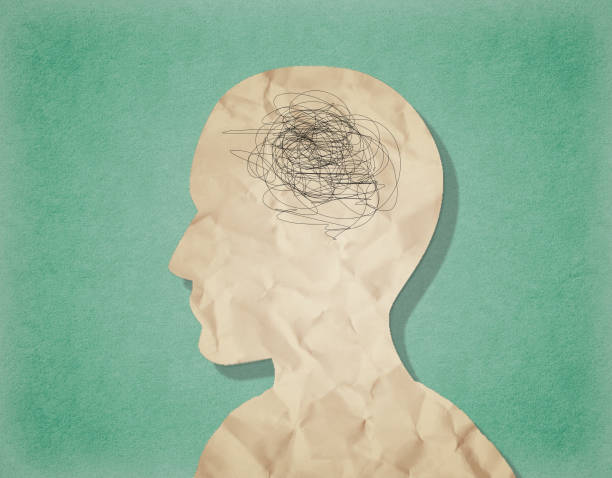
Use Your Senses to Stop Anxiety: The 5-4-3-2-1 Method
Here’s how it works. You start by finding five things you can see. Not five huge things like “the sky” or “the wall.” Look around for small details. Maybe a crack in the ceiling, a smudge on your phone screen, the way the light hits a water bottle, a stray thread on your shirt, or a leaf outside the window. Take your time. Really look at each one. Notice its shape, its color, its size. Doing that forces your brain to stop spinning and start paying attention to real stuff. Your eyes have to focus on something physical, and that takes the fuel away from your anxious thoughts.
Next, find four things you can touch. Reach out and feel something. The smooth fabric of your pants. The rough edge of a wooden table. The cool glass of a drinking cup. The texture of your own hair or the carpet under your feet. Run your fingers over each thing and notice how it feels. Is it cold or warm? Soft or hard? Bumpy or flat? This part is huge because touch is one of the most grounding senses we have. When you tune into what your skin is feeling, you literally connect yourself to the here and now. Your body can’t be panicking in the past or future when it’s busy feeling the fuzz on a sweater.
Then find three things you can hear. Listen closely. Maybe it’s a fan humming in the background. The sound of cars going by outside. Your own breath as it goes in and out. A bird chirping. Someone typing in the next room. Even silence has a sound, a kind of low buzz or the thump of your heartbeat. Don’t judge the noise. Just notice it. Let your ears do the work. This step is like hitting a reset button for your brain because hearing takes your attention outward. You stop listening to the scary stories in your head and start listening to the actual world.
After that, find two things you can smell. This one might take a little effort if you’re in a boring room. That’s okay. Smell the air around you. Maybe it smells like coffee or toast. If you’re outside, maybe it smells like grass or rain. If you’re in a car, you might smell leather or old fries. You can also smell your own skin or a piece of clothing. If you can’t find anything, breathe in through your nose and out through your mouth a few times. Just the act of breathing deeply and paying attention to what you smell calms your nervous system down. Smell is a powerful shortcut to the part of your brain that controls stress.
Finally, find one thing you can taste. This could be the leftover flavor of your last meal. A sip of water. A mint in your mouth. The inside of your cheek. If there’s nothing to taste, imagine a flavor. Lemon. Salt. Chocolate. Focus on that one taste sensation. Let it sit on your tongue. This last step pulls everything together. By the time you get to tasting, you’ve already used your eyes, hands, ears, and nose to drag yourself back to the present. That one taste is the anchor.
You might be thinking, “This sounds too simple. How can looking at a crack in the ceiling calm me down?” But that’s exactly why it works. Anxiety tricks you into believing you’re in danger right now, even when you’re not. Your brain goes into overdrive and starts inventing worst-case scenarios. The 5-4-3-2-1 Method is like a trap. It catches that runaway brain and forces it to sort through real information. When you count and name things using your senses, you give your mind a concrete job. It can’t worry about tomorrow’s test or last night’s argument while it’s busy noticing the smell of your own pillow.
You can use this method any time, any place. At your desk at work. In the car at a red light. Lying in bed at 3 a.m. when you can’t sleep. Nobody even has to know you’re doing it. You don’t need a special app or a quiet room. All you need is your senses. The more you practice, the faster it works. Eventually, your brain will start to recognize that when you count down from five, it’s time to chill out.
The whole point of the 5-4-3-2-1 method is to get you back into your body and out of your racing thoughts. It reminds you that right here, right now, you are safe. You are not in the middle of that disaster you’re imagining. You are just a person in a room, looking at five things, touching four things, listening to three things, smelling two things, and tasting one thing. That’s it. That’s all you have to do. And it’s enough to break the grip of anxiety every single time.
Related Articles
Learn more about Staying in the Present Moment.