Watching Your Thoughts Like Clouds
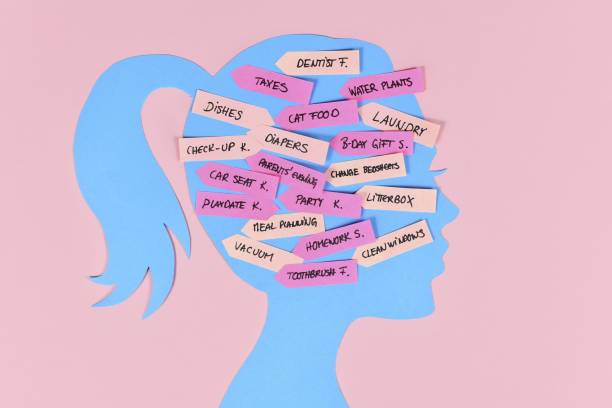
Here’s the thing: you are not your thoughts. You are the person noticing the thoughts. If you were your thoughts, then every silly or scary thing that popped into your head would be true. But it’s not. You have a zillion thoughts every day. Most of them are random junk. “What if I mess up that presentation?” “Maybe my friend is mad at me.” “Did I turn off the stove?” Those thoughts feel real and urgent, but they are just mental noise. When you learn to watch them without getting hooked, you take away their power. And your anxiety starts to calm down.
So how do you practice this? Start by finding a quiet spot. Sit down, close your eyes if you want, and take a few slow breaths. Then imagine your thoughts are passing clouds. One thought appears: “I’m so worried about tomorrow.” See it as a cloud. Let it drift by. Don’t argue with it. Don’t tell it, “Go away!” That’s like trying to shove a cloud out of the sky. It doesn’t work, and it just makes you tired. Instead, just watch it. A few seconds later, another thought: “What if I said the wrong thing?” Another cloud. Let it float past. And then another: “I need to check my phone.” Cloud three. Let it go too.
At first, this might feel weird or even impossible. Your brain will yank you back into the thought and say, “Hey, this is important! You have to solve this problem!” That’s okay. That’s normal. When you notice you’ve grabbed onto a thought, you haven’t failed. You just noticed. That’s the win. Gently turn your attention back to watching. Each time you do this, you’re building a mental muscle. A muscle that helps you stay in the present moment instead of getting dragged into anxious stories.
One way to make this easier is to use a simple label. When a thought pops up, silently say “thinking” in your head. Just “thinking.” That’s it. You’re not judging the thought as good or bad. You’re not trying to fix it. You’re just noticing that your mind is doing its job. After you label it, go back to watching your breath or feeling your feet on the floor. This helps you step back from the thought and see it as just a passing event, like a cloud.
Another handy trick is to imagine you’re sitting on the bank of a river. Thoughts are leaves floating by on the water. You can look at each leaf, but you don’t have to jump in and grab it. Some leaves are pretty. Some are gross. But they all float downstream eventually. Anxious thoughts are those dark, bumpy leaves. They float right past you if you let them. You don’t have to chase them or wrestle them. You just sit on the bank and watch.
Why does this help anxiety? Because anxiety thrives on attachment. You grab a thought like “I’m not good enough” and you start pulling it apart, replaying it, trying to prove it wrong or worrying it might be true. That’s like holding a hot coal. It burns you. But if you just let the thought float by, you don’t get burned. The thought is still there for a second, but it doesn’t light a fire. Over time, your brain learns that scary thoughts are just clouds. They don’t mean you’re in danger. They don’t mean anything except that your mind is doing its normal thing.
You can practice this anywhere. At your desk, on the bus, waiting in line. Notice a thought, label it, let it go. Do it a hundred times a day. It’s not about having zero thoughts. That’s impossible. It’s about changing your relationship with them. Instead of being in the movie of your thoughts, you become the audience member watching the movie. You can even enjoy the show sometimes. Like, “Oh, there goes another ‘what if’ cloud. Classic.”
Some days it will be hard. Some days the clouds will be dark and thick, like a storm. That’s fine. You don’t have to like the clouds. You just have to stay in the field, keep looking up, and let them pass. The storm always moves on. Your anxious thoughts will too. The more you practice letting them come and go, the less power they have over you. And the more you can stay right here, in this moment, feeling the ground under your feet and the air on your skin. That’s where peace lives. Not in the clouds. Right here.
Related Articles
Learn more about Staying in the Present Moment.

The Long Sigh: The Easiest Way to Reset Your Nerves
Try This: Pay Attention to Your Hands