Why a Bowl of Oatmeal Can Tame Your Nerves
Let’s start with how your body works when you’re anxious. When you get stressed, your brain sends out signals that make your heart race and your muscles tighten. This is your built-in alarm system. It’s great if you’re running from a bear, but not so great when you’re just sitting in class or at your desk. Your brain needs certain fuel to turn down that alarm. That fuel comes from the food you eat. And oatmeal is one of the best fuels for relaxation.
The magic in oatmeal comes from the kind of carbs it has. Not all carbs are the same. Sugary snacks like candy or soda give you a quick burst of energy, but then you crash. That crash can make you feel jittery and worse than before. Oatmeal is different. It’s what experts call a “slow carb.” That means your body breaks it down slowly, releasing energy little by little over a few hours. This steady flow of energy keeps your blood sugar level. When your blood sugar is stable, your mood stays stable too. No spikes, no dips, no sudden panic attacks.
There’s another reason oatmeal works so well. Inside your brain, there’s a chemical that acts like a natural chill pill. It’s called serotonin. You’ve probably heard of it. Serotonin is the stuff that helps you feel happy, calm, and sleepy. Your body makes serotonin from an amino acid called tryptophan. (That’s the same stuff in turkey that makes you sleepy on Thanksgiving.) But here’s the trick: tryptophan has a hard time getting into your brain unless there are other nutrients helping it along. Oatmeal provides the perfect escort. The complex carbs in oatmeal trigger your body to release insulin, which clears out other amino acids from your blood. That clears the path for tryptophan to enter your brain and get turned into serotonin. So eating oatmeal literally helps your brain build more of its own calming chemicals.
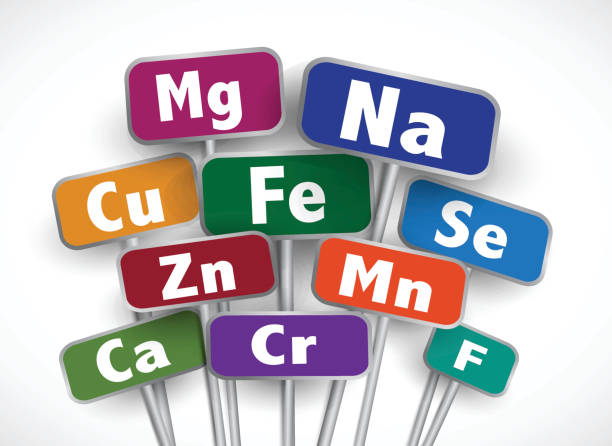
Don’t forget about the minerals in oatmeal. Oats are packed with magnesium. Most people don’t get enough magnesium, and that’s a problem because low magnesium can make anxiety worse. Your muscles need magnesium to relax. Without it, you might feel tense and twitchy. A bowl of oatmeal gives your body a nice dose of magnesium, which helps your muscles let go of that tightness. Think of it as a gentle muscle relaxer that comes from a bowl, not a pill.
Now let’s talk about the comfort factor. There’s something about a warm bowl of oatmeal that just feels safe. Maybe it reminds you of childhood mornings when someone made it for you. Maybe it’s the smell of cinnamon or the creaminess as you stir it. That feeling of comfort is real too. Warm foods can boost your mood by signaling to your brain that everything is okay. The ritual of making oatmeal—measuring the oats, adding water, stirring, waiting—forces you to slow down. You can’t rush oatmeal. That couple of minutes of quiet patience can lower your stress all by itself.
If you want to get the most relaxation out of your oatmeal, think about what you add to it. Skip the sugary instant packets. They spike your blood sugar and ruin the good effect. Instead, cook plain rolled oats or steel-cut oats. Add a little cinnamon. Cinnamon has its own calming properties. A spoonful of peanut butter or some nuts adds healthy fat and protein, which slows down digestion even more. A handful of berries gives you antioxidants, which protect your brain from the damage stress causes. And if you like it a bit sweet, use a drizzle of honey or maple syrup. Just a tiny bit is fine.
One bowl of oatmeal isn’t a magic cure for serious anxiety, but it can be a powerful part of your daily routine. If you eat it in the morning, you set your brain up for a calmer day. If you eat it in the evening, the warm carbs can help you sleep better. Some people even eat a small bowl before a stressful event, like a test or a big meeting, to keep their nerves steady.
So next time your anxiety starts buzzing, don’t reach for a bag of chips or a candy bar. Take a few minutes to make yourself a bowl of oatmeal. Let it cool. Take a bite. Feel your shoulders drop. Your brain will thank you.
Related Articles
Learn more about Food and Mood.