Why a Healthy Gut Means a Calmer You
Probiotics are friendly bacteria. They live in your intestines. You have billions of them. Don’t be grossed out. Most of them are on your side. They help you digest food, make vitamins, and keep bad bacteria from taking over. When you have enough good bacteria, your gut runs smoothly. And when your gut is happy, your brain is more likely to be calm.
How does that work exactly? Think of a phone line between your stomach and your brain. There is a big nerve called the vagus nerve. It runs from your head down to your belly. Bacteria in your gut can send signals through this nerve. Those signals can tell your brain to relax or to panic. If your gut is full of good bacteria, the signals are mostly calm ones. If your gut is out of balance, the signals might be stressful. Probiotics help keep that line clear and peaceful.
Another cool fact: your body makes a chemical called serotonin. Serotonin helps you feel happy and relaxed. Most people think it comes from the brain. But actually, about 90 percent of it is made in your gut. That’s right, your stomach is like a serotonin factory. The bacteria in your gut help with that production. When you take probiotics, you give those bacteria a boost. More good bacteria means more serotonin. And more serotonin means a calmer you.
Stress makes this whole system worse. When you’re anxious, your body goes into fight-or-flight mode. That can mess up your digestion. You might get a stomach ache, bloating, or feel nauseous. That makes you more anxious. It’s a nasty loop. Probiotics can break that loop. They settle your stomach down. They reduce the stuffy, uncomfortable feeling. Once your gut feels better, your brain gets the message to let go a little. That helps lower your anxiety level. Plus, when your stomach feels settled, your head feels clearer.
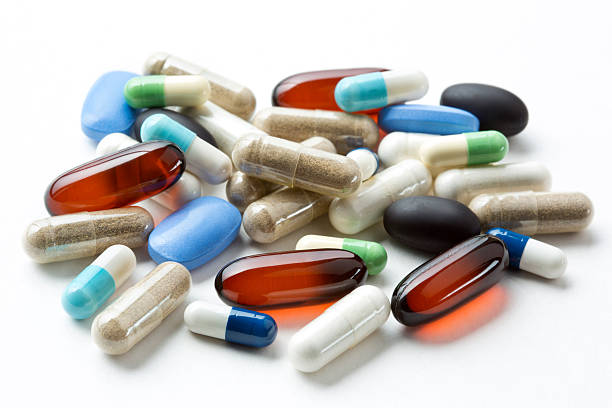
So how do you get more probiotics? It’s easier than you think. You can eat foods that naturally have them. Yogurt is a big one. Just make sure it says “live and active cultures” on the label. Kefir is a drink that’s loaded with good bacteria. It’s kind of like a thin yogurt. Sauerkraut and kimchi are fermented veggies that are tangy and tasty. They have lots of probiotics too. Miso soup is another option. Or you can take a supplement. Look for a probiotic capsule at the store. Ask a pharmacist or your doctor for advice if you’re not sure.
But remember, not all probiotics are the same. Different types of bacteria do different things. Some help with digestion, others with mood. Look for a blend that includes Lactobacillus and Bifidobacterium. Those are the most studied for anxiety and gut health. Also, give it time. You won’t feel a change overnight. It can take a few weeks for the good bacteria to grow and settle in. Be patient and stick with it.
You can also help those bacteria out by feeding them. That’s where prebiotics come in. Prebiotics are types of fiber that your body can’t digest, but your good bacteria love. Think of them as fertilizer for your gut garden. Foods like garlic, onions, bananas, oats, and apples have prebiotics. So eat some of those along with your probiotics. That combo makes the good bacteria thrive. And that means more calm for your brain.
Taking care of your gut is one simple step you can take to lower your anxiety. It’s not a magic cure. But it’s a real, natural way to support your brain. When your belly is calm, your mind has a better chance to be calm too. Use a healthy gut as your foundation. Then the rest of your anxiety-fighting plan can work even better.
Related Articles
Learn more about Helpful Supplements.

How L-Theanine Helps You Relax Without Turning You Into a Zombie

The Best Kind of Magnesium for Relaxation and Anxiety