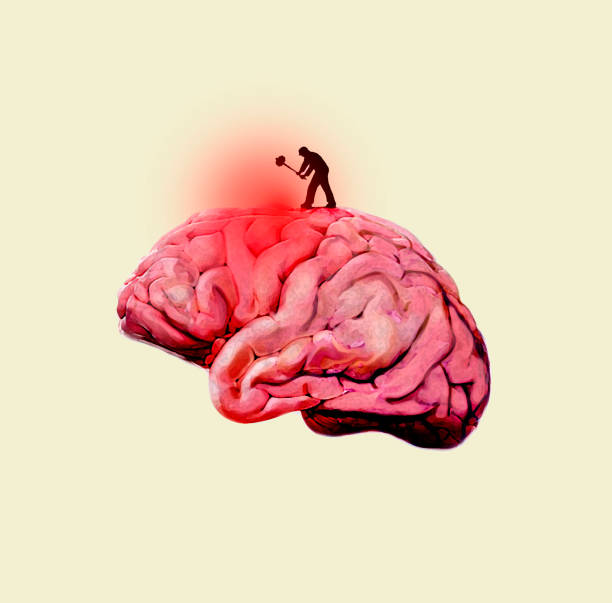
You know that shaky, wired feeling you get after chugging an energy drink? Your heart runs a little faster. Your hands feel restless. Your thoughts jump around. For some people, that feels like a quick boost. For people who already deal with anxiety, it can feel like someone turned up the volume on every worried thought. Energy drinks are popular because they promise a fast lift. But when your mind is already on edge, that lift can backfire. The drink is not evil, and you are not weak for liking it. Still, it helps to know what you are pouring into your body and why it can make a rough day feel rougher.
Most energy drinks pack a lot of caffeine. Caffeine is the thing in coffee, tea, soda, and chocolate that helps you feel awake. In a small amount, it can be fine. In a big can, it can hit hard. Energy drinks often have more caffeine than a cup of coffee, and they can be easy to drink fast. Caffeine does not actually give you energy. It mostly hides the feeling that you are tired. That means your body can still be worn out while your brain feels buzzy. Your heart may speed up. Your chest may feel tight. Your hands may shake. If you are already anxious, your brain may read those feelings as a sign that something is wrong. Then you feel more anxious. It is a loop that can start with one can.
Sugar can add another layer. Many energy drinks are loaded with sugar, and some use sweeteners instead. A big rush of sugar can feel good for a few minutes. Then comes the crash. You may feel tired, foggy, shaky, or grumpy. If you drink an energy drink instead of eating real food, the crash can be worse. Your body wants steady fuel, not a spike and a drop. A drink that replaces lunch or breakfast can leave you running on empty. That makes it harder to handle stress and easier to feel worried.
Sleep is a big piece of this puzzle. Caffeine can stay in your body for hours. If you drink an energy drink in the afternoon, you may still feel it at bedtime. You might lie there with a busy brain, or you might fall asleep and wake up later. One bad night can make the next day feel harder. You may feel more jumpy, more sad, or more quick to snap. Then you reach for another drink to get through the day. That cycle can keep anxiety loud. If you want to test this, keep energy drinks out of the afternoon and evening for a week. Notice how you sleep. Notice how you feel the next morning. That information is more useful than guessing.
Some energy drinks also have extra ingredients that are not always clearly listed in a simple way. You might see plant names that are just another source of caffeine. You might see blends that promise focus or energy. The problem is that you may not know how much of each thing you are getting. If you are sensitive to caffeine, a drink with several caffeine sources can hit harder than you expect. Mixing energy drinks with alcohol is another bad idea. Caffeine can make you feel more awake than you really are. That can make it harder to judge how drunk you are. It can also make your heart race and your mind feel wired at the same time.
So what can you do? You do not have to swear off every drink forever. Start by paying attention. Try water, sparkling water, milk, or a decaf drink when you are tired. Eat something with protein and fiber, like an apple with peanut butter or cheese and crackers. If you do choose caffeine, keep it small and early. Read the label. Watch for big cans and extra caffeine sources. And if you notice that energy drinks make you shaky, worried, or unable to sleep, that is your body giving you a clear message. You can listen. Your mood is worth protecting, and small changes can make a real difference. It is okay to test this for yourself.