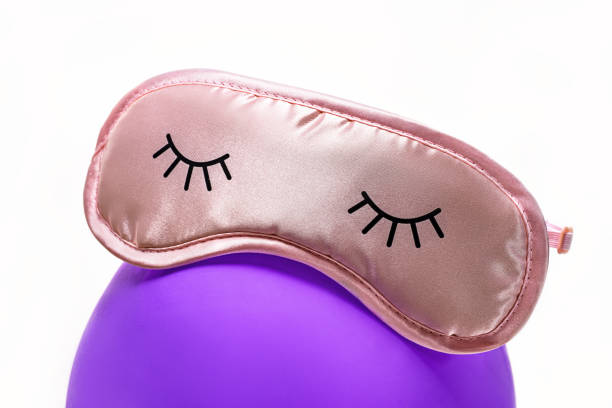
Why Going to Bed at the Same Time Each Night Helps Your Anxiety
Your brain is a weird and wonderful machine. It loves patterns. When you do the same thing at the same time every day, your brain starts to expect it and get ready for it. Think about how you feel when you smell your favorite food cooking. Your mouth starts to water before you even take a bite, because your brain knows what is coming. Sleep works the same way. When you go to bed at a consistent time, your brain says, “Okay, it’s that time again. Time to wind down.“ It starts releasing chemicals that make you feel sleepy, and it shuts down the part of your brain that stays on high alert for danger.
That high-alert part of your brain is a big reason why anxiety happens. When you are anxious, your brain and body act like there is a tiger in the room, even when there is no tiger. Your heart races, your muscles tighten, and your thoughts spin. A regular bedtime tells that part of your brain, “You can relax now. It’s safe to sleep.“ Over time, your brain learns that bedtime is a safe time, not a time to keep worrying.
Here is the thing that surprised me. When you mess up your sleep schedule by staying up late one night and then going to bed early the next, your brain gets confused. It does not know when to start winding down. So you might lie in bed wide awake, staring at the ceiling, while your thoughts run wild. That makes anxiety worse. You start worrying about not sleeping, which makes you more anxious, which makes it even harder to fall asleep. It is a nasty cycle.
A good way to break that cycle is to pick a bedtime that you can stick to almost every night. It does not have to be super early. If you are a night owl, that is okay. Choose a time that works for your life, even if it is midnight. The key is consistency. When you go to bed at midnight every night, your brain gets used to it. After a few weeks, you will start to feel sleepy around 11:45, and you will fall asleep faster. And when you fall asleep faster, you spend less time lying there worrying.
Your body also does a lot of important housekeeping while you sleep. It cleans out waste products from your brain cells. It repairs muscles and tissues. It stores memories from the day. All of these things help your brain handle stress better. When you miss sleep or mess up your schedule, that housekeeping does not get done. Then you wake up feeling foggy and on edge. Small problems feel huge. That is anxiety fuel.
Now, I am not saying you have to be perfect. Life happens. You might have a late night with friends or a sick pet that keeps you up. That is fine. But try to get back on track as soon as you can. Do not tell yourself, “Well, I already messed up, so I will just stay up all night.“ Instead, go to sleep at your regular time the next night. Your brain is forgiving. It will adapt.
If you struggle to fall asleep at your chosen time, try doing the same low-key things for the thirty minutes before bed. Maybe you read a book, brush your teeth, and listen to calm music. Keep the lights low. Keep your phone away. That routine is like a little signal to your brain that says, “Sleep is coming.“ Over time, that signal gets stronger.
Anxiety makes you feel like you have no control. But your bedtime is one thing you actually can control. You can decide to put yourself to bed at the same time tonight. That small decision sends a message to your brain that you are in charge. And that is a powerful feeling. It is not a cure for anxiety, but it is a solid foundation that makes everything else easier. Give it a try for two weeks. I bet you will notice a difference.
Related Articles
Learn more about Taking Care of Your Body.
Why Your Bedtime Wind-Down Routine Matters for Anxiety