Why Your Bedtime Wind-Down Routine Matters for Anxiety
Here is the honest truth. Your body needs sleep to fight off anxiety. It is not a fancy trick. It is biology. When you do not get enough sleep, your brain chemistry gets a little scrambled. You become more sensitive to stress. The small stuff starts to feel huge. A text that does not get a reply back feels like the end of the world. A mistake in class feels like a disaster. Sleep is your brain’s reset button, and skipping it is like trying to play a video game on a glitchy system.
So how do you actually get good regular sleep when your mind is wired? The answer is not complicated, but it takes practice. You need a wind-down routine. That is just a fancy way of saying you need to teach your brain that it is time to slow down.
Start by cutting off screens about an hour before your head hits the pillow. This is hard because your phone is basically a little dopamine machine. Every scroll, every like, every video gives your brain a tiny hit of excitement. That excitement tells your brain to stay awake. So put the phone in another room. Yes, another room. Charge it in the kitchen. The world will survive without you for eight hours.
Instead of scrolling, do something boring. Read a physical book that is not too exciting. A book about trees or rocks is perfect. You do not want to read a thriller because then your brain will be hooked and you will stay up until midnight to find out who did it. You want a book that is interesting enough to keep your eyes open but boring enough to make you yawn.
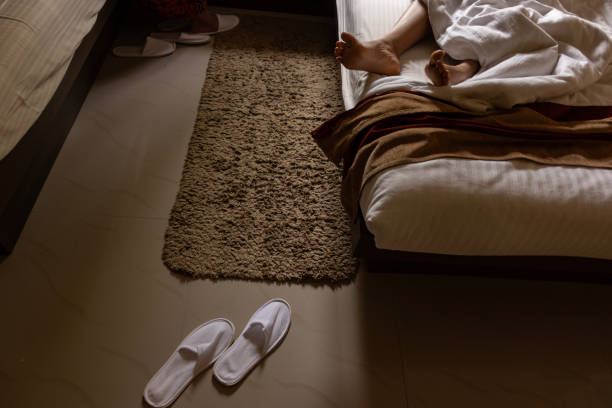
Another thing that helps is making your room a cave. Anxiety hates a dark, quiet, cool room. Get blackout curtains if you can. If you cannot, use a sleep mask. A noisy fan or a white noise machine can help drown out random sounds that would otherwise wake you up or make your brain alert. You want your bedroom to feel like a safe little cocoon, not a command center.
Here is a weird trick that actually works. Write down your worries on a piece of paper before you get into bed. Give your brain permission to let go of those thoughts because they are on paper. You can look at them in the morning if you want, but for right now, they are captured. This is not a diary entry. This is a brain dump. Just write whatever is spinning in your head. The deadline. The friend drama. The thing you forgot to do. Put it all on the page. Close the notebook. Shut off that mental to-do list.
Your body temperature also matters. When you sleep, your body temperature naturally drops a little. Taking a warm shower about an hour before bed helps with this. The warm water relaxes your muscles, but then when you step out into the cooler air, your body temperature starts to drop. This drop signals to your body that it is time to sleep. It is a cheat code for drowsiness.
Finally, be consistent. Your body loves a schedule. If you go to bed at different times every night, your brain never knows when it is supposed to shut down. Pick a bedtime that works for you, even on weekends. I know, weekends are for staying up late. But if you wake up at noon on Saturday, Sunday night becomes a nightmare. Then Monday you are exhausted and your anxiety spikes. It is not worth it.
Getting good sleep is one of the most effective things you can do to lower your anxiety. It is not a cure-all. You still have to deal with your problems. But a well-rested brain is a much better problem-solver than a tired, cranky brain. Give yourself permission to rest. Your anxiety will thank you.
Related Articles
Learn more about Taking Care of Your Body.
Your Brain Loves a Sleep Schedule