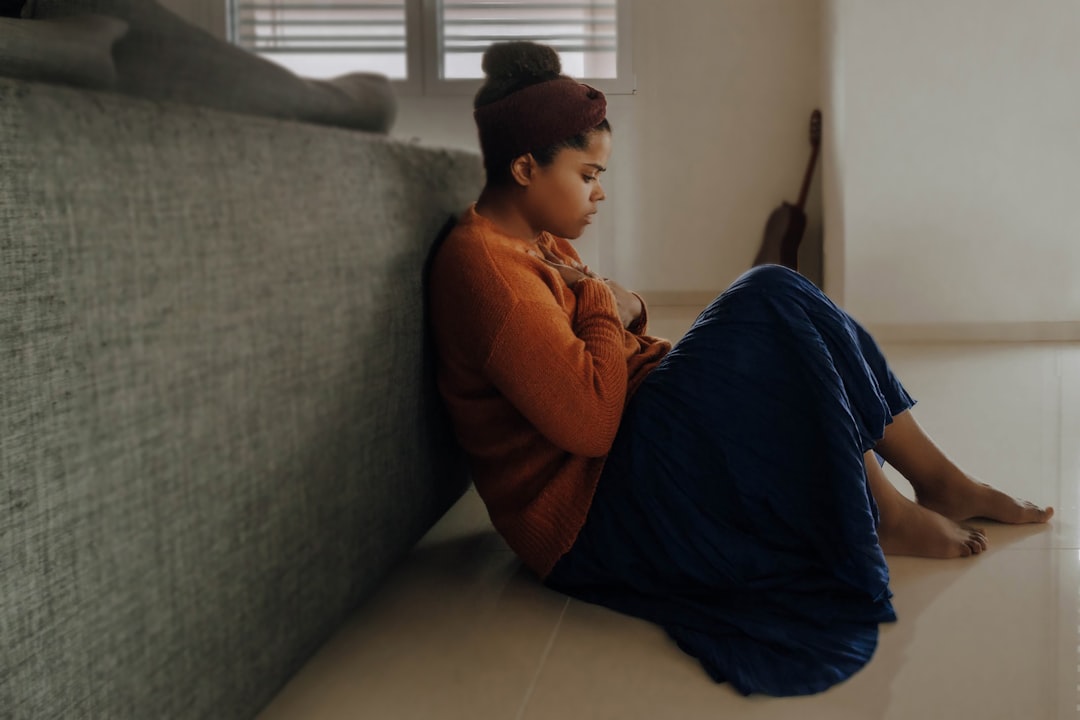
Why Hanging Out with Your Calm Friend Lowers Your Anxiety
Think about the last time you were around someone who always seemed a little on edge. Maybe they checked their phone constantly, complained a lot, or got worked up over small things. Did you feel relaxed afterward? Probably not. That’s because our brains pick up on the moods of the people around us. When you’re with someone who is anxious, your own body can start to feel anxious too. On the flip side, when you’re with someone who is calm and grounded, your nervous system can actually slow down. You start to breathe a little deeper. Your shoulders drop. Your mind stops racing quite as much.
It’s like sharing a blanket on a cold day. If the person next to you is freezing and shivering, you’re going to feel colder too. But if they’re warm and cozy, you’ll feel warmer just being next to them. That’s what a supportive friend does for your anxiety. They bring their own calm energy into the room, and you get to borrow some of it without having to try.
But not all friends are like that. Some people, even if they love you, might accidentally make your anxiety worse. Maybe they’re always giving advice when you just want to vent. Maybe they tell you to “just relax” or “stop worrying about nothing.” Those comments can make you feel embarrassed or even more anxious. A truly supportive friend doesn’t try to fix you. They don’t tell you to calm down. They just sit with you, listen, and let you be exactly as you are. That kind of acceptance is rare, and it’s powerful.
Here’s a simple way to tell if a friend is good for your anxiety: think about how you feel after you hang out with them. Do you feel drained, like you need a nap or a whole day alone to recover? Or do you feel lighter, like some of the weight has been lifted? If you feel more relaxed after seeing them, that’s a green light. If you feel worse, that person might not be the best choice for your low-anxiety moments.
It’s okay to choose who you spend your time with. You don’t have to cut anyone off completely, but you can decide to spend more time with the people who help you feel safe. You can also ask for what you need. Maybe you tell a friend, “Hey, I’m having a rough day. Can we just watch a movie and not talk too much?” A good friend will say yes. They won’t take it personally. They understand that sometimes being together in silence is exactly what you need.
Another thing that helps is doing low-pressure activities with supportive people. You don’t have to go out to a crowded restaurant or a loud party. You can meet up at someone’s house, go for a walk in a quiet park, or even just sit on the porch and drink tea. The goal isn’t to have an exciting time. The goal is to be around someone who lets you breathe. When you lower the pressure to perform or be interesting, your anxiety has less to grab onto.
Sometimes people think they need to handle anxiety all on their own. But humans are wired for connection. Your brain actually releases a chemical called oxytocin when you feel close to someone you trust. That chemical helps calm down the parts of your brain that trigger fear and worry. So spending time with a supportive friend isn’t just nice—it’s a real, biological way to lower your anxiety.
If you don’t have a friend like that yet, don’t worry. You can look for people who seem easy to be around. It might be a family member, a coworker, or someone from a hobby group. Start small. Just a short phone call or a ten-minute walk with someone who makes you feel okay. Over time, those moments add up. Your anxiety doesn’t disappear completely, but it gets quieter. And having that one person who helps you feel safe can make all the difference.
So next time you’re feeling anxious, think about who you could spend some time with. Pick the calm friend. The one who doesn’t judge. The one who lets you be quiet. You might find that just being next to them is enough to take the edge off. That’s what support really means—not fixing you, but sitting beside you while you figure it out.
Related Articles
Learn more about Your Surroundings and People.