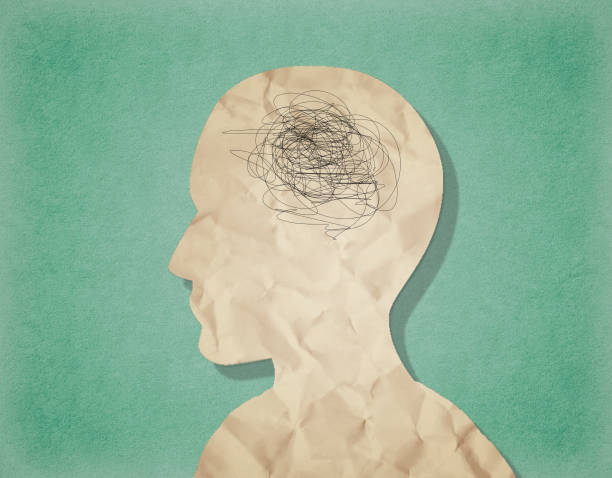
Why Writing Down Your Feelings Calms Your Anxious Mind
Here’s why it works. Your brain treats an unspoken worry like an emergency that needs constant attention. It keeps poking you, saying, hey, don’t forget about this, we still have to deal with that thing from work, and also you have that appointment next Tuesday, and what about that thing your friend said? When you write those things down, your brain finally gets the message that you’re not ignoring them. You’ve put them somewhere safe. The paper is now holding that thought, which means you can stop holding it in your head. That’s a huge relief. It’s like telling your brain, I got this, now please be quiet for a minute.
But you can’t just write a list of chores. The real magic happens when you write about how you’re feeling. So instead of writing, “I have too much to do,” try writing, “I’m scared that I’ll forget something important and everyone will be mad at me.” See the difference? That second one gets to the real problem. When you write your actual feelings, you stop being afraid of them. You’re looking at them on paper, and they don’t look nearly as big as they felt inside your chest. That fear becomes just words. And words can be read, questioned, and even scribbled out.
Another big win is that writing helps you spot patterns. Maybe you write three days in a row, and every time you notice you’re worried about the same exact thing at work. That pattern tells you something. Maybe you’re not actually afraid of the task, but you’re afraid of being judged. When you see that repeated pattern, you can do something about it. You can say, okay, I’m always thinking I’m not good enough, but what’s one piece of proof that I am? That’s you starting to change your thinking habit, not by forcing a positive thought, but by looking at the facts.
A lot of people think writing has to be this deep, soul-searching project. It doesn’t. You can write for three minutes while your coffee brews. You can write in the car before you go inside the store. You can write all messy, with your spelling all wrong, and cross stuff out. It’s just for you. Nobody else reads it. You don’t need to make it sound pretty or smart. You just need to get the junk out of your head and onto a page. Think of it like opening a window in a stuffy room. The air moves, and you can breathe again.
One trick that works for a lot of people is to write a question to yourself and then answer it. Like, “Why am I so nervous about tonight?” Then just let your hand move. You might write, “Because I always say dumb things when I’m around people I like.” That’s honest. And once you see that honest answer, you can laugh about it. You can say, “Okay, so I’m nervous because I might say something dumb. And then what? The world keeps spinning.” That little conversation on paper can cut your anxiety way down.
Another good habit is to end your writing by writing one tiny thing you can do about the worry. Not a huge plan, just one step. If you wrote that you’re scared about tomorrow’s test, write down, “I will study my notes for ten minutes tonight.” That’s it. The point isn’t to solve everything. The point is to show your brain that you have a plan, even a small one. Then the anxiety doesn’t have to carry the whole weight.
You might feel silly the first time you try this. That’s normal. But give it a few days. Write every time you notice your thoughts circling. You don’t have to do it perfectly. You just have to do it. Over time, you’ll get faster at knowing what’s really bothering you. You’ll get better at catching that anxious spiral before it goes too far. And you’ll feel lighter, because you stopped keeping all those feelings locked up inside you.
So next time your brain is buzzing, grab a pen. Write down the ugly feelings, the weird fears, the silly worries. Let them be on the page instead of in your head. You’ll be surprised how much quieter everything gets when it’s written down.
Related Articles
Learn more about Changing Your Thinking Habits.
Stop Guessing What Other People Think of You

Small Experiments to Prove Your Fears Wrong