Your heart can go from normal to pounding in seconds. You might be sitting at a desk, waiting in line, or trying to fall asleep. Nothing scary is happening. Nothing is chasing you. Still, your chest thumps. Your face gets hot. Your hands shake. Your breath gets short. You may think something is wrong with your heart. Most of the time, it is your body’s alarm system doing its job too well. It got a signal that danger might be near, even if your brain knows you are safe. The alarm goes off first. The calm explanation comes later.
Here is what often happens. Your body has a fast team that gets you ready for action. It sends out a quick fuel that makes your heart beat faster. Blood moves to your big muscles so you can run or push. Your breathing speeds up to bring in more air. You sweat so you do not overheat. Your stomach may feel weird because blood is moving away from digesting food. Your hands may shake because your muscles are ready to move. All of that is useful if you need to jump out of the way of a car. It feels awful when you are just standing in your kitchen. The feeling is real. The danger is not.
The tricky part is that the feeling itself can scare you. Your heart races, so you think, “What if it does not slow down?” That thought sends another signal to your alarm. Your heart speeds up more. You notice it more. The loop grows. You are not weak or broken. You are caught in a fast cycle that many people get stuck in. The goal is not to slam the alarm off with force. The goal is to show your body, in plain and simple ways, that it can settle.
First, stop adding fuel. That means do not stand still and argue with your heart. Do not tell yourself to calm down over and over. That can make you watch your heart even more. Instead, give your body a simple job. Press your feet into the floor. Feel the bottom of your shoes. Name three things you can see. Listen for two sounds. This is not a magic trick. It gives your brain something steady to hold onto while the alarm winds down.
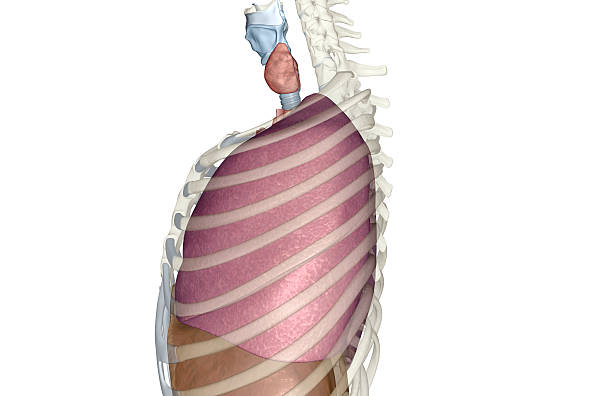
Next, slow your breathing in a way that feels easy, not huge. Breathe in through your nose for a count of four. Breathe out through your mouth for a count of six. Keep it quiet and gentle. Do not take giant breaths. Giant breaths can make you feel dizzy and more scared. You are not trying to win a contest. You are trying to tell your body that the emergency is over. A longer breath out can help your heart slow down. Do it for a minute or two. If it feels strange, go back to normal breathing and just let it be.
Then, move a little if you can. The fast fuel in your body is made for action. If you are sitting, stand up and walk to the window. Roll your shoulders. Stretch your arms. Shake out your hands. A small amount of movement can use up the extra energy and help the shaky feeling fade. You do not need to run a mile. You just need to give the rush somewhere to go.
Also, check the basics. A racing heart can feel worse when you are low on sleep, low on food, or full of caffeine. Too much coffee, energy drinks, or even some cold medicines can make your heart speed up. Skipping meals can make you feel shaky. Not sleeping can make your alarm system jumpy. You are not looking for one perfect fix. You are looking for small things that help your body feel safer.
When your heart races, it can feel like the whole day is ruined. It is not. A fast heart is scary, but it is often a wave. It rises, peaks, and falls. Your job is to ride it without adding more fear. Let the wave pass. Your body learned to set off the alarm fast. It can learn to settle too. Start with one small step, then another.