Will Anxiety Medication Change Who I Am?
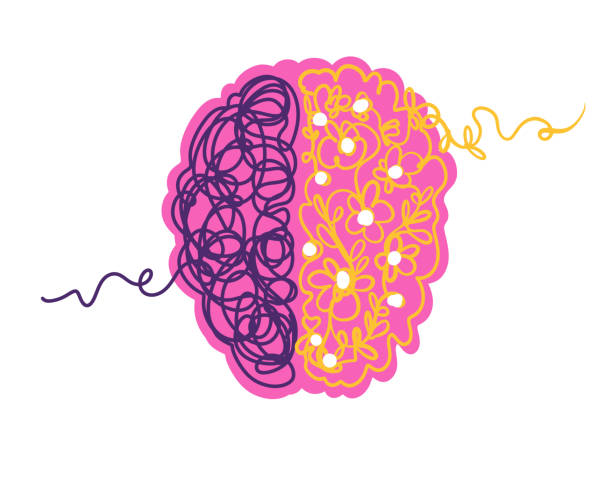
Think of it this way. Imagine you are trying to watch your favorite movie, but someone is standing right next to you with a loud radio blasting static. You cannot hear the dialogue. You cannot focus on the story. You are just irritated and tense. That static is your anxiety. Medication does not erase the movie. It does not change the plot or the characters. It simply turns down the static so you can finally hear what is happening in your own life. You are still you. You will still have your weird sense of humor, your love for bad reality TV, your opinions about pizza toppings, and your messy hair in the morning. All of that stays. What changes is the volume of the panic.
Another way to look at it is to think about glasses. If you have bad eyesight, you do not worry that glasses will change your personality. You put them on so you can see clearly. You do not become a different person with glasses on. You just stop bumping into walls. Anxiety medication works a lot like that. It clears up the blurry, scary picture your brain has been showing you so that you can see reality more accurately. That is a huge relief.
A lot of people also worry about feeling numb. They think medication will take away all their feelings, both good and bad. This can happen with some medicines, but it is not the goal. If a medication makes you feel flat or like a robot, you tell your doctor. That means it is not the right one for you. There are many different options. Doctors expect to try a few things before finding what works. You should never settle for feeling like a zombie. The right medication should make you feel more human, not less. It should help you feel sad when something sad happens and happy when something good happens, without the panic latching onto every single emotion.
Here is something else to consider. Right now, your anxiety might actually be changing who you are more than any medication ever could. Anxiety makes you say no to things you want to do. It makes you cancel plans with friends. It makes you avoid your dreams because you are too scared to try. It makes you snappy with your family because you are constantly on edge. Is that really the real you? Or is that the anxious version of you taking over? The real you might be someone who loves going to parties, trying new hobbies, and speaking up in meetings. Medication can help you get that person back. It is not stealing your identity. It is handing it back to you.
You will still have to do the work. Pills are not magic. They are a tool that makes the hard work easier. You will still have to practice calming yourself down, go to therapy maybe, and face your fears little by little. But instead of trying to do all that while fighting a ten-foot wave of panic, you will be working with the water calm and flat. That is a much easier way to learn how to swim.
When you finally talk to your doctor, just be honest about your fears. Say exactly what you told yourself in your head. “I am scared this will change my personality.“ A good doctor will listen and explain things in a way that makes sense. They will start you on a low dose and check in with you. You are in charge the whole time. If something feels wrong, you speak up. You do not have to stick with a medication that does not feel right.
The truth is, anxiety is the thing that has been changing you. It has been shrinking your world and stealing your energy. Medication is just a way to flip the script. It is a chance to meet the person you are when the static finally shuts off. You might be surprised at how great that person actually is.
Related Articles
Learn more about Getting Extra Help.
Finding Your People: How Joining a Group Can Lower Anxiety

The Surprising Way a Walking Group Helped Me Breathe Easier