Your Gut and Your Nerves: How Food Affects Your Anxiety
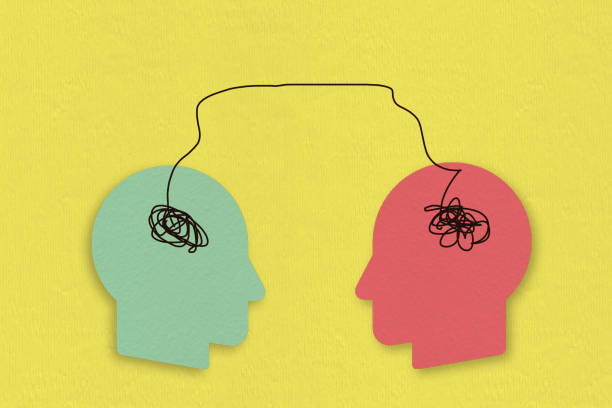
Think of your gut like a second brain. It has millions of tiny nerve cells that work nonstop. When your gut is happy, it sends good signals up to your brain and says, “Hey, everything is fine up here.” But when your gut is angry or unhappy, it sends alarm signals instead. Your brain hears those alarms and you start feeling jittery, worried, or on edge. That is why some people get anxiety right after eating certain foods.
A lot of the good feeling chemical in your brain, called serotonin, is actually made in your gut. Most people think it only comes from your brain, but that is wrong. About ninety percent of it is made in your intestines. If your gut is not healthy, it may not make enough serotonin. Then you can feel down or more anxious than usual. A nutrition expert can help you fix this by changing what you eat.
One big thing that messes with your gut and your nerves is sugar. When you eat a candy bar or drink a soda, your blood sugar shoots up fast. You get a quick energy buzz, but then your body has to work hard to bring it back down. It pumps out a lot of insulin, which makes your blood sugar crash. That crash feels awful. You can get shaky, sweaty, dizzy, and super anxious. Some people think they are having a panic attack when really it is just a sugar crash.
Skipping meals also wrecks this balance. If you go too long without eating, your blood sugar drops low. Your body freaks out and releases stress hormones like adrenaline to save you. That adrenaline makes your heart race and your thoughts spin. Suddenly you feel anxious for no clear reason. A nutrition expert will tell you to eat small meals regularly to keep your blood sugar steady. That alone can cut your anxiety in half.
Caffeine is another sneaky one. Coffee, energy drinks, and some teas wake you up by blocking a chemical in your brain that makes you sleepy. But they also send your nervous system into overdrive. If you already have anxiety, caffeine is like pouring gas on a fire. A nutrition expert might have you swap your morning coffee for a calming herbal tea or just cut back slowly.
The good bacteria in your gut also matter a lot. Healthy gut bugs help you digest food and make vitamins you need. They also help keep your gut lining strong so bad stuff does not leak into your blood. When you eat junk food or too much sugar, the bad bacteria take over. That makes inflammation in your body, which can actually trigger anxiety. Foods like yogurt, sauerkraut, kimchi, and kefir are full of good bugs. A nutrition expert can guide you on how to add them without upsetting your stomach.
There is also a mineral called magnesium that is huge for relaxing. It helps your muscles and nerves settle down. Many people are low on it because they don’t eat enough leafy greens, nuts, seeds, or beans. Low magnesium can make you irritable, tense, and anxious. A nutrition expert can help you figure out if you need more of it and how to get it from food instead of just pills.
Some people find that certain foods like gluten or dairy trigger their anxiety. It is not the same for everyone. That is why working with a nutrition expert is useful. They will not give you a random list of foods to avoid. They will help you pay attention to how food makes you feel. You might keep a simple journal where you write what you ate and how your mood was an hour later. Patterns start to show up. Maybe you notice that every time you eat a bagel you feel foggy and nervous later. That is a clue.
The goal is not to go on a strict diet or cut out everything you love. That would only make you more stressed. The goal is to build a diet that supports your nerves. Think of food as tools in a toolbox. Some foods are calming tools. Some are jittery tools. You get to choose which ones you pick up each day.
A nutrition expert can also help you with timing. Eating a big meal late at night can mess with your sleep, and poor sleep makes anxiety worse. They might suggest a light snack before bed, like a banana or a handful of almonds, to keep your blood sugar steady through the night.
You do not need to become a health nut or a perfect eater. Small changes add up. If you start by drinking one less soda or adding a handful of spinach to your lunch, your gut will start sending better messages to your brain. Over a few weeks, you might notice you feel less on edge. That is your gut and your nerves finally getting along.
The most important thing is to listen to your body. It is talking to you all the time. When you feel anxious, ask yourself what you ate in the last few hours. If you keep getting the same answer, it might be time to chat with someone who really knows food and nerves. A nutrition expert is not a doctor who prescribes pills. They are a coach who helps you use food to feel steadier inside. And that is a pretty powerful tool to have.
Related Articles
Learn more about Getting Extra Help.

How Behavioral Changes Can Directly Influence Your Anxiety Levels