Changing the Channel on Your Brain
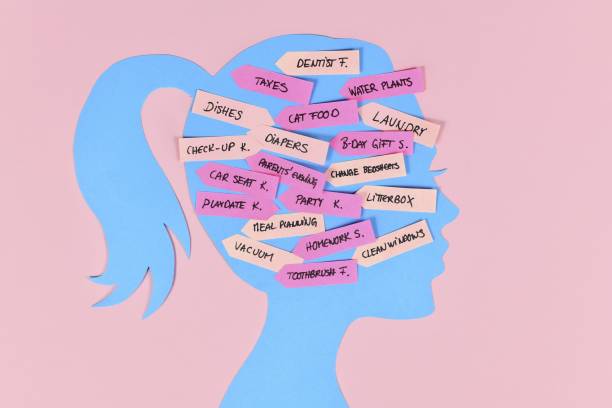
One of the most useful ways to do this is with something called thinking traps. These are the sneaky ways your brain tricks you into feeling more anxious than you really need to. For example, there’s the trap where you assume the worst is going to happen every single time. You have a headache, so you assume it’s a brain tumor. Your friend didn’t text back in ten minutes, so you assume they hate you. Another trap is called mind reading, where you think you know exactly what other people think of you without any actual proof. You “just know” that the cashier thinks you’re weird, or that your teacher thinks you’re stupid. These traps feel real, but they are usually just guesses. Bad guesses, actually.
So how do you stop falling into these traps? You start by catching yourself. The next time you feel that familiar panic rising, hit the pause button. Ask yourself a simple question: “Is this thought one hundred percent true?” Usually, the answer is no. You might be ninety percent sure that everyone is judging you, but that’s not one hundred percent. There is always room for another possibility. Maybe your friend is just busy. Maybe your headache is just from not drinking enough water. You need to look for the evidence like a detective. What facts do you actually have? The facts are that you have a headache. The facts are not that you are dying. You have to separate the facts from the scary story your brain made up.
Another good trick is to ask yourself what you would tell a friend who had the same thought. If your buddy came to you and said, “I think everyone hates me because I tripped in the hallway,” you’d probably laugh and say, “Dude, nobody even noticed, and if they did, they forgot about it two seconds later.” You are way nicer to your friends than you are to yourself. So why not treat yourself like your own friend? When you hear that mean, anxious voice in your head, talk back to it with the same kindness you would show someone else. You don’t have to argue with the voice for hours. Just a simple, “That’s a trap thought, and I’m not buying it today,” can go a long way.
This whole process is something you have to practice, kind of like learning to ride a bike. At first, it feels clumsy and weird. You’ll forget to ask the questions. You’ll slip back into the old traps. That’s totally okay. Nobody gets good at this overnight. The goal is not to never feel anxious again. That’s not realistic. The goal is to make your brain a little quieter, a little calmer, and a whole lot more fair to you. When you learn to change your thoughts, you start to change your whole day. You go from being at the mercy of your anxiety to being the person in charge. And that feeling of being in the driver’s seat makes a bigger difference than you might think. It gives you room to breathe.
Related Articles
Learn more about Getting Extra Help.
Can What You Eat Truly Calm Your Anxiety?
Learning to Challenge Your Worries