Loading...
Skip to Content

Foods That Fortify: How Your Diet Can Shield You from Stress

In our fast-paced modern world, stress has become a near-constant companion for many, triggering a cascade of physical effects from elevated blood pressure and inflammation to weakened immunity and digestive distress. While managing stressors directly is crucial, a powerful and often overlooked line of defense lies on our plates. Emerging nutritional science confirms that yes, certain foods can indeed help protect the body from the physical wear and tear of stress by replenishing depleted nutrients, modulating the body’s stress response, and combating the cellular damage that stress accelerates.

The connection between food and stress physiology begins with understanding the body’s reaction. When stressed, the body releases hormones like cortisol and adrenaline, initiating the “fight or flight” response. This process, while vital for short-term survival, can deplete specific nutrients if chronically activated. Key among these are B vitamins, vitamin C, magnesium, and zinc, which are co-factors in the production and regulation of neurotransmitters and stress hormones. Therefore, consuming foods rich in these nutrients acts as a form of biochemical reinforcement. For instance, leafy green vegetables like spinach and Swiss chard are excellent sources of magnesium, a mineral that plays a pivotal role in relaxing muscles and calming the nervous system. A deficiency in magnesium can exacerbate feelings of anxiety and tension, creating a vicious cycle. Similarly, citrus fruits, bell peppers, and broccoli, abundant in vitamin C, help curb cortisol levels and support the adrenal glands, which manage our hormonal stress response.

Beyond nutrient replenishment, certain foods contain compounds that actively combat the oxidative stress and inflammation that are hallmarks of chronic physical stress. When the body is under prolonged stress, it generates an excess of free radicals, unstable molecules that damage cells. This oxidative stress is linked to accelerated aging and numerous chronic diseases. This is where antioxidant-rich foods become essential protective agents. Vibrantly colored berries, such as blueberries and strawberries, are packed with antioxidants like anthocyanins. Fatty fish, including salmon and mackerel, offer a powerful one-two punch: they are rich in anti-inflammatory omega-3 fatty acids, which can help lower the stress-induced inflammatory markers in the body, and they are a source of vitamin D, which is increasingly linked to mood regulation. Even dark chocolate, with a high cocoa content, contains flavonoids that can improve blood flow and reduce physiological stress load, though moderation is key.

The gut-brain axis represents another critical pathway through which food influences stress resilience. A significant portion of the body’s serotonin, a neurotransmitter that promotes feelings of calm and well-being, is produced in the gut. Therefore, nurturing a healthy gut microbiome with probiotic and prebiotic foods can have a direct, positive impact on stress physiology. Fermented foods like yogurt, kefir, kimchi, and sauerkraut introduce beneficial bacteria, while prebiotic fibers found in foods like oats, bananas, and asparagus feed those good bacteria. A balanced gut environment can help strengthen the intestinal barrier, reduce systemic inflammation, and send calming signals to the brain, thereby buffering the physical impact of stress.

It is important to frame this knowledge not as a prescriptive list of “superfoods” but as a guiding principle for a holistic dietary pattern. The Mediterranean diet, for example, which emphasizes fruits, vegetables, whole grains, legumes, nuts, and healthy fats, naturally incorporates many of these stress-protective elements. Conversely, a diet high in ultra-processed foods, refined sugars, and unhealthy fats can exacerbate inflammation and impair the body’s ability to manage stress effectively. Ultimately, while no single food is a magic shield, consistently choosing a nutrient-dense, whole-foods diet builds a foundational resilience. By thoughtfully nourishing the body, we equip our biological systems to better withstand, recover from, and adapt to the inevitable stresses of life, turning our daily meals into a tangible form of self-care and physical protection.

Related Articles

Learn more about Food and Mood.
The Best Foods to Soothe Shakiness and Nervousness

That unmistakable feeling of shakiness and nervousness can strike before a major presentation, during a stressful day, or seemingly out of nowhere.
Learn More

Nourish Your Nerves: Quick and Easy Foods to Cultivate Calm

In the relentless pace of modern life, feelings of stress and anxiety can often feel like an unavoidable backdrop.
Learn More

The Vibrant Path to Gut Health: How a Diverse Plant Diet Nourishes Your Microbiome

The human gut is not a solitary organ but a thriving, complex ecosystem.
Learn More

Quick Tips

I need to calm down quickly. Is there a vitamin for that?

While no vitamin works like an instant “off switch,“ magnesium is a superstar for helping your muscles and nerves relax. When you’re stressed, your body uses up magnesium more quickly. You can find it in foods like spinach, almonds, avocados, and black beans. Eating these foods regularly helps restock your body’s supply. Think of magnesium as the mineral that tells your body, “It’s okay, you can unwind now,“ helping to ease that tight feeling in your shoulders and that racing feeling in your chest.

What can I eat for breakfast to feel less anxious during the day?

Starting your day with a balanced breakfast sets a calm tone. Skip the sugary cereal or pastry, which can cause a jittery energy rush and then a crash. Instead, try eggs or yogurt for protein, plus some whole-grain toast or berries. This combo provides steady energy and important B vitamins. B vitamins, found in eggs, whole grains, and leafy greens, are like spark plugs for your brain, helping it manage energy and stress effectively all morning long. A good breakfast helps you feel prepared and steady.

Are there foods that protect my body from the physical effects of stress?

Yes! Foods rich in Vitamin C, like oranges, strawberries, bell peppers, and broccoli, are great for this. When you’re anxious for a long time, it can wear your body down. Vitamin C helps strengthen your immune system, which is your body’s defense team against getting sick. It also helps control your cortisol levels, which is a stress hormone. Eating these colorful foods is like giving your body’s defense system a shield to help it stay strong, even when you’re feeling pressured.

What foods can help me sleep better if my mind is racing at night?

If your thoughts are keeping you awake, a small snack with tryptophan can help. This is a building block your body uses to create sleep-supporting melatonin. Try a banana with a little peanut butter or a small handful of walnuts and cherries. The key is to keep the snack small and simple. A heavy meal before bed can have the opposite effect. This little nutritional nudge can help quiet your mind and signal to your body that it’s time to power down for the night.

What are the best foods to eat when I feel shaky and nervous?

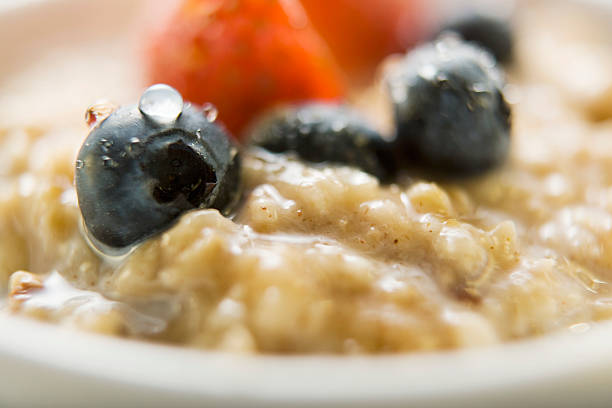
When you feel shaky, your body might need a steadying boost. Reach for complex carbohydrates like a small bowl of oatmeal or a slice of whole-grain bread. These foods help your body produce serotonin, a brain chemical that makes you feel calm and in control. They release energy slowly, preventing the blood sugar spikes and crashes that can make you feel even more jittery. It’s like giving your body a long, slow-burning log for a fire instead of a piece of paper that flares up and burns out quickly.