Nourish Your Nerves: Quick and Easy Foods to Cultivate Calm
One of the simplest and most effective strategies is to reach for foods rich in magnesium, a mineral often dubbed nature’s tranquilizer. Magnesium plays a crucial role in regulating neurotransmitters that send signals throughout the brain and nervous system, and it helps manage the body’s stress-response system. A deficiency can exacerbate feelings of anxiety and restlessness. Fortunately, a handful of almonds or pumpkin seeds makes for a perfect portable snack, offering a satisfying crunch alongside a meaningful dose of this calming mineral. Similarly, a banana is a quick, peel-and-eat option that provides both magnesium and potassium, another nutrient that helps lower blood pressure and support nerve function.
When stress strikes, the body’s cortisol levels can rise, and stable blood sugar is key to mitigating this hormonal rollercoaster. Here, complex carbohydrates become your friend. A bowl of old-fashioned oatmeal, ready in minutes, is an excellent choice. Oats help your brain produce serotonin, a neurotransmitter that promotes feelings of well-being and relaxation. For an even quicker fix, a slice of whole-grain toast can offer similar benefits. The complex carbs provide a steady release of energy, preventing the spikes and crashes in blood sugar that can mimic or worsen feelings of anxiety. Top it with a thin layer of natural peanut butter for added protein and healthy fats, which further aid in satiety and stability.
Fatty fish, like salmon or tuna, are renowned for their high levels of omega-3 fatty acids, which are potent anti-inflammatories and have been shown to reduce anxiety. While cooking a filth might not always feel “quick,“ keeping a pouch of ready-to-eat salmon or a tin of sardines in the pantry is a game-changer. You can effortlessly flake this onto a pre-made salad or whole-grain cracker for a calming, protein-rich meal in minutes. For a plant-based source of omega-3s, a tablespoon of ground flaxseed or chia seeds stirred into a yogurt or smoothie is an incredibly easy addition that supports brain health.
Finally, we must not underestimate the power of hydration and herbal infusions. Dehydration alone can cause symptoms like heart palpitations and agitation, which feel remarkably similar to anxiety. Simply drinking a tall glass of cool water can be a surprisingly effective and immediate calming ritual. To elevate this further, brewing a cup of chamomile or lavender tea is a time-honored practice for a reason. These herbs contain compounds that interact with brain receptors in a way similar to mild sedatives, promoting relaxation without drowsiness. The act of preparing a warm cup itself forces a mindful pause, creating a double benefit of physical nourishment and a moment of respite.
Ultimately, turning to food for calm is about making gentle, supportive choices that honor the mind-body connection. It is not a substitute for professional care for chronic anxiety, but rather a complementary practice of self-nourishment. By keeping these simple foods—like nuts, oats, fatty fish pouches, and herbal teas—within easy reach, you equip yourself with delicious, quick tools to help steady your nerves, proving that sometimes, the path to greater calm begins right in your kitchen.
Related Articles
Learn more about Food and Mood.

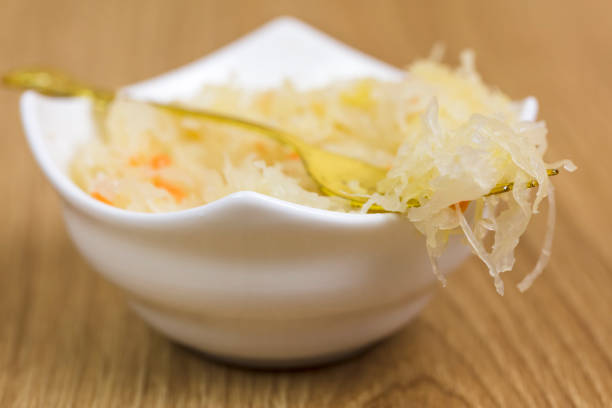
How Sauerkraut Helps Your Gut and Your Mood