Loading...
Skip to Content

The Soothing Power of Oatmeal: Why This Humble Dish Eases Our Stress

In a world that often feels frenetic and overwhelming, we instinctively seek solace in the familiar. Comfort foods, those culinary anchors of our emotional landscape, offer a temporary harbor from stress. Among them, a simple bowl of oatmeal holds a uniquely powerful place. More than just a nutritious breakfast, oatmeal has earned its status as a premier comfort food for stress through a compelling combination of physiological science, psychological nostalgia, and sensory experience, working in concert to calm the mind and body.

The foundation of oatmeal’s stress-relieving power is rooted in biology. Oats are a complex carbohydrate, which means they are digested slowly, leading to a gradual release of glucose into the bloodstream. This steady supply of energy helps stabilize blood sugar levels, preventing the spikes and crashes that can exacerbate feelings of anxiety and irritability. Furthermore, oats are a rich source of tryptophan, an amino acid precursor to serotonin, the neurotransmitter famously associated with feelings of well-being and happiness. By supporting serotonin production, oatmeal can gently nudge our brain chemistry toward a more relaxed state. The grain is also packed with B vitamins, particularly B6 and folate, which are crucial for the nervous system’s proper functioning and have been linked to improved mood regulation. Thus, consuming oatmeal initiates a quiet, internal process that physiologically counteracts the body’s stress response.

Beyond its biochemical profile, oatmeal delivers profound psychological comfort. For many, its appeal is deeply entwined with memories of care and safety. The aroma of oats simmering on the stove can instantly transport an adult back to a childhood kitchen, evoking a sense of being nurtured and protected. This connection to positive, often simpler, times provides an emotional respite from present-day pressures. The act of preparing oatmeal itself can be a mindful, stress-reducing ritual. Whether it’s the methodical stirring of a pot on the stove or the patient waiting for overnight oats to set, the process encourages a slowing down, a small act of self-care that stands in opposition to the rush of a stressful day. It is a food that says, “Take a moment for yourself.“

Finally, the very sensory experience of eating oatmeal is inherently soothing. Its texture—warm, soft, and creamy—provides a tactile comfort that is easy to digest, both literally and metaphorically. When stress can feel like a clenched fist in the stomach, oatmeal is a gentle, non-irritating food that feels safe and nourishing. It serves as a perfect, neutral canvas for personalization, allowing the eater to exert control in a small, creative way. Stirring in a drizzle of honey, a handful of berries, or a sprinkle of cinnamon are acts of customization that can bring joy and a sense of agency, countering feelings of helplessness that often accompany stress. The resulting bowl is not just fuel; it is a warm, edible hug.

In essence, oatmeal’s role as a comfort food for stress is multifaceted. It functions as a nutritional ally, quietly regulating our internal systems to foster calm. It acts as a psychological time machine, connecting us to feelings of security and nostalgia. And it offers a sensory sanctuary, its warmth and texture providing immediate physical solace. In a single, humble bowl, oatmeal addresses stress on multiple fronts, proving that true comfort often lies not in extravagance, but in simplicity, warmth, and the profound sense of being cared for, even if by one’s own hand. It is a testament to how the right food can nourish far more than just the body.

Related Articles

Learn more about Food and Mood.
How Undereating Fuels the Anxiety Cycle

The relationship between what we eat and how we feel is profound, yet often overlooked in discussions about mental health.
Learn More

The Ripple Effect of a Simple Cup of Tea

In a world that often measures impact by grand gestures and loud declarations, the humble cup of tea stands as a quiet testament to a different kind of power.
Learn More

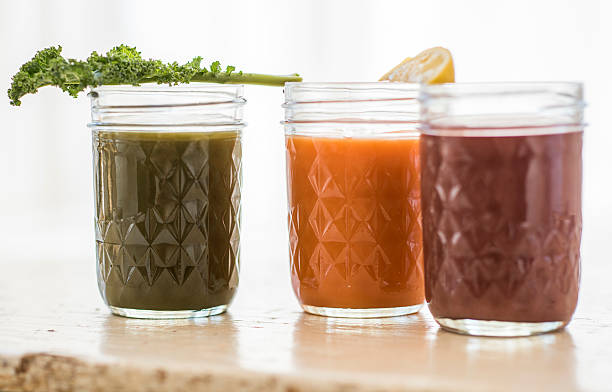
The Best Drinks for a Healthy Gut

The quest for optimal gut health often focuses on what we eat, but what we drink can be equally powerful.
Learn More

Quick Tips

How can a simple cup of tea make a difference?

A warm cup of chamomile tea does more than just warm you up. It’s like a gentle signal to your brain and body that it’s time to slow down and unwind. The simple act of sipping a warm drink forces you to pause and breathe. Chamomile has natural properties that can help ease tension and prepare your mind for rest. Think of it as a mini time-out in a mug, a comforting ritual that helps you step away from stress for a few peaceful moments.

What are some quick and easy foods to help me feel calmer?

Reach for a handful of almonds or a banana. Almonds are packed with magnesium, a mineral that helps your body manage stress. When you’re low on magnesium, you might feel more on edge. Bananas are a great source of potassium and vitamin B6, which help your nervous system run smoothly. They are a perfect, portable snack you can eat when you start to feel those anxious feelings creep in, giving your body a direct line to the nutrients it needs to stay balanced.

Can something as simple as milk really help you relax?

Yes, a warm glass of milk before bed is a time-tested trick for a reason. Milk and other dairy foods contain an amino acid that helps your body create serotonin, the same “feel-good” chemical we mentioned with oatmeal. This can help improve your mood and promote feelings of relaxation. The warmth of the drink is also naturally soothing. It’s a simple, comforting habit that tells your body the day is done and it’s safe to unwind.

What makes dark chocolate a good snack when I’m feeling anxious?

A small square of dark chocolate can be a powerful little treat! It encourages your brain to release endorphins, which are chemicals that boost your mood. Dark chocolate is also rich in magnesium, the same mineral found in almonds that helps fight stress. Just be sure to choose a variety that has at least 70% cocoa and enjoy it in moderation. It’s a delicious way to give yourself a quick moment of pleasure and calm.

Why is oatmeal considered a comfort food for stress?

Oatmeal is a classic comfort food for a good reason! It’s a complex carbohydrate, which means it helps your brain produce serotonin. Serotonin is a natural chemical in your body that makes you feel happy and calm. A warm bowl of oatmeal in the morning provides steady energy, preventing your blood sugar from spiking and crashing, which can make you feel jittery. It’s a cozy, filling choice that helps keep your mood on an even keel throughout the day.