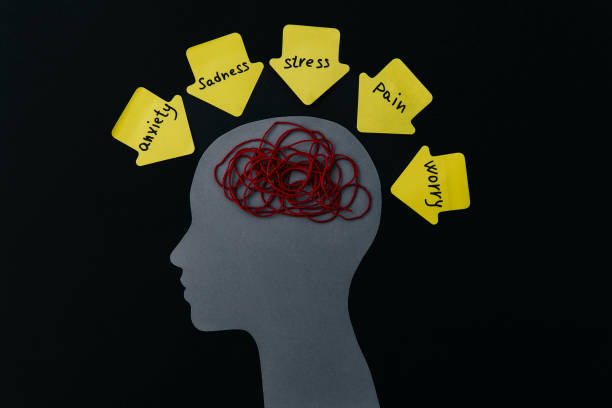
How B Vitamins Help Calm Your Nerves and Lower Anxiety
Think of your brain like a busy city. When the city runs well, traffic flows, people get where they need to go, and things feel good. When the city is clogged and falling apart, everyone gets angry and panicked. Your brain needs B vitamins to keep the roads clear and the signals moving. Without enough of them, your mood can get stuck in a traffic jam.
Here is the simplest way to understand it. Your body uses B vitamins to turn the food you eat into energy. That is not just for your muscles. Your brain uses a ton of energy. When you are low on B vitamins, your brain cells cannot make energy properly. They get tired and grumpy. That can make you feel anxious for no clear reason. It is like your brain is running on low battery and sending out warning signals.
One of the most famous B vitamins for mood is B6. Your body needs B6 to make serotonin. Serotonin is a brain chemical that helps you feel happy and chill. It is the stuff that makes you feel good after a nice walk or a hug. You might have heard people talk about it. When your B6 levels are low, your body cannot make enough serotonin. That can leave you feeling worried, sad, or irritable. Think of B6 as the raw material your brain uses to build calm feelings. You cannot build a house without wood, and you cannot build a calm mood without B6.
Then you have B12 and folate, which are also called folic acid. These two are like a team of electricians for your brain. They help keep your nerves wrapped in a protective coating called myelin. That coating keeps the electrical signals in your brain traveling fast and clean. When you are low on B12 or folate, those signals get slow and messy. Your brain might react by feeling foggy, confused, or anxious. This is especially common as people get older, but younger people can have trouble too, especially if they do not eat enough animal foods or leafy greens.
Here is something important that most articles skip. Stress itself can burn through your B vitamins. When you are anxious, your body uses up B vitamins faster than normal. It is a nasty cycle. You feel anxious, so you use up B vitamins. Then, because you are low on B vitamins, you feel even more anxious. Breaking that cycle often means giving your body more of what it is missing.
So where do you get these mood-helping vitamins? The answer is not from a pill bottle, though supplements can help if you are very low. The best place is from real food. Chicken, turkey, eggs, and salmon are loaded with B6 and B12. Leafy green vegetables like spinach and kale are great for folate. Beans, lentils, and nuts have plenty too. Even a simple baked potato with the skin on has B6. If you eat a mix of these foods during the week, you give your brain the tools it needs to stay calm.
You do not have to overhaul your whole diet at once. Pick one small change. Maybe swap your afternoon snack of chips for a handful of sunflower seeds and an apple. That gives you B6 and some fiber too. Or have an egg for breakfast instead of a sugary cereal. Those little choices add up. Your brain notices.
One more thing. If you drink alcohol often, it steals B vitamins from your body. Alcohol makes it hard for your body to absorb them and makes you pee them out faster. That is one reason heavy drinkers often feel wound up and anxious. Cutting back on alcohol can be one of the fastest ways to help your B vitamins do their job.
None of this means that B vitamins are a magic fix for every kind of anxiety. Anxiety can come from many places, like life stress, tough situations, or even genetics. But food is a piece you can control. You can give your brain a better chance to handle whatever comes your way. You deserve that. You deserve to feel a little more steady and a little less on edge. And sometimes the answer is right there on your plate.
Related Articles
Learn more about Food and Mood.

Almonds: A Handful of Calm