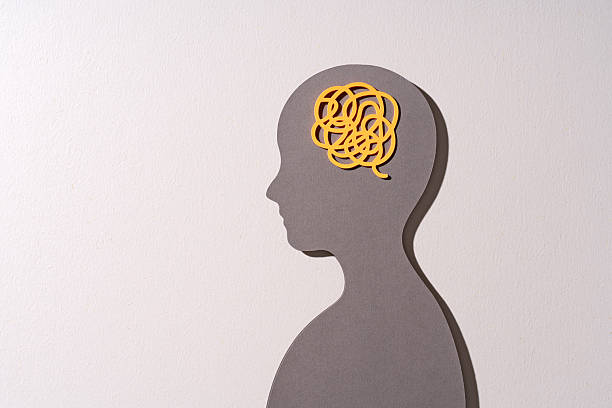
How Probiotics Calm Your Gut and Your Worries
Probiotics are tiny living bacteria that are good for you. Yes, bacteria can be good. You have trillions of bacteria living inside your body right now. Most of them hang out in your gut. Some of them help you digest food, make vitamins, and keep bad germs away. Others try to cause trouble. When the good guys outnumber the bad guys, your gut runs smooth. When the bad guys take over, you feel bloated, tired, and even cranky.
But here is the cool part. Your gut is not just for digesting food. It has its own nervous system, kind of like a second mini-brain. And it sends messages straight to your big brain through a big nerve called the vagus nerve. Think of it like a phone line between your gut and your head. Whatever your gut feels, your brain knows. If your gut is full of good bacteria, it sends calm, happy messages. If your gut is inflamed or full of bad bacteria, it sends panic signals. That panic signals can make you feel anxious even when nothing is wrong.
Probiotics work by restocking your gut with the good bacteria. When you take a probiotic supplement or eat foods like yogurt, kefir, sauerkraut, or kimchi, you are giving your gut new helpers. These helpers help push out the bad guys. They also create things your body needs. For example, some good bacteria make a chemical called serotonin. You might have heard of serotonin. It is often called the happy chemical. Doctors give people medicine to raise serotonin levels. But your gut can make it naturally, just from having the right probiotics. Having more serotonin in your gut means more of it is available to your brain. And that helps your mood stay even and calm.
Another thing good bacteria make is something called GABA. GABA is a natural chill pill. It slows down overactive brain signals. When your brain is screaming with worries, GABA tells it to relax. It is like a soft blanket for your nerves. Without enough GABA, your brain stays wired and anxious. Probiotics help your gut produce more GABA. So every day you take them, you are giving your brain a little help to unwind.
But not all probiotics are the same. You need the right kinds. Look for names like Lactobacillus and Bifidobacterium. Those are the two most studied groups. Some specific ones, like Lactobacillus rhamnosus and Bifidobacterium longum, have shown real results in lowering anxiety in studies. When you buy a supplement, check the label to make sure it has at least a few billion live cultures. Also, keep it in a cool place or in the fridge, because heat can kill the good bacteria.
Be patient with probiotics. They are not a quick fix. It can take a few weeks of taking them every day to change the balance in your gut. And while they are working, it helps to eat foods that feed the good bacteria. Those are called prebiotics. You find prebiotics in things like garlic, onions, bananas, and oats. Think of prebiotics as food for your probiotic soldiers. Eat them together for the best effect.
It is also smart to treat your gut kindly in other ways. Get enough sleep, drink plenty of water, and try to cut back on too much sugar and junk food. Sugar feeds the bad bacteria. The more sugar you eat, the more bad guys multiply. Probiotics can help, but they work better when you stop feeding their enemies.
One more thing to know. Probiotics are not a magic cure for severe anxiety. If your worries are really heavy and last a long time, please talk to a doctor or a counselor. They can help you find the right treatment. But for many people, adding probiotics is a gentle, safe step in the right direction. It is like giving your gut a pep talk, and your brain listens.
So if you feel anxious a lot, try looking at your gut first. Pop a high-quality probiotic. Eat some yogurt. Give your good bacteria some love. You might be surprised how much calmer you feel when your gut and brain are finally on the same team. Your second brain deserves a boost. Give it the tools to send you better news.
Related Articles
Learn more about Helpful Supplements.
How L-Theanine Can Help You Chill Out Without Feeling Sleepy
How Your Gut Bugs Can Help Calm Your Anxiety