How Writing Down Your Worries Can Quiet Your Racing Mind
When you write a worry down, something weird and wonderful happens. The thought leaves your brain and lands on the paper. It becomes a thing you can look at, instead of a fog that fills your whole head. Suddenly, that huge, scary worry looks a lot smaller. You can see it clearly. Maybe you wrote “I’m afraid my friend is mad at me.” Now that it’s on paper, you can ask yourself, “Wait, is that really true?” Most of the time, our anxious thoughts are guesses, not facts. They are stories our brains make up to keep us safe. But when those stories stay locked inside our heads, they feel 100% real. Writing them down is like turning on a light in a dark room. You finally see what was actually there, and most of the time, it’s just a pile of ordinary stuff, not a monster.
You don’t need a fancy notebook or a special app. A scrap of paper works fine. The act of moving your hand and forming letters helps your brain slow down. It’s like putting a brake on the racing thoughts. Try this for one week. Every evening, set aside five minutes. Write down everything that is bugging you. Don’t worry about spelling or making it sound nice. Just dump the thoughts out. Write things like “I’m nervous about the math test,” “I felt left out at lunch,” “I’m stressing about my dad’s job.” If you feel a tightness in your chest or a knot in your stomach, write that down too. Your feelings count just as much as your worries. Getting them out on paper is like opening a pressure valve. You don’t have to solve anything yet. You’re just letting the steam out.
After a few days of doing this, go back and read what you wrote. Look for patterns. You might notice that you worry about the same kinds of things over and over. Maybe you worry a lot about being judged by other people. Or maybe you stress about things you can’t control, like the weather or the news. Seeing these patterns is a big step. It’s like realizing you always take the same wrong turn on a road. Once you know that, you can start looking for the right turn. For example, if you notice you always predict the worst will happen, you can start to look for other possible outcomes. If you always think people are mad at you, you can remind yourself that you don’t actually know that. The paper doesn’t lie. It shows you exactly what your brain keeps repeating.
Another great thing about writing is that it helps you separate your thoughts from your real self. You are not your anxiety. You are the person who notices the anxiety. When you write, you become the watcher, not the panicker. That gives you a little space. In that space, you can say to yourself, “Oh, that’s just that worry again. I know that one.” And with practice, the worries start to lose their grip. They become old visitors you don’t have to entertain.
One warning: don’t expect writing to fix everything overnight. Some days you’ll write and still feel tense. That’s okay. The goal is not to make anxiety disappear. The goal is to make it smaller and quieter. Think of writing as a release. It’s a way to say, “I’m putting this here so I don’t have to carry it around all night.” Many people find that after they write, they can actually fall asleep faster. Their brain stops nagging them because it knows the thoughts are safely stored on paper. You can also write in the middle of the day if a worry is really loud. Just excuse yourself, find a quiet spot, and write for two minutes. Even that short burst can calm you down.
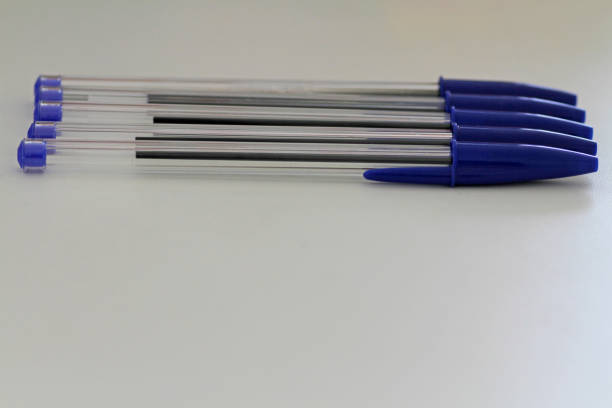
So give it a try tonight. Grab any old pen and any old paper. Write down one thing that is bothering you. Then read it out loud to yourself if you can. You might laugh at how silly it sounds. That’s a good sign. It means you’re already stepping back. Keep doing it. Write down your thoughts and feelings for a full week. Watch your worries go from screaming alarms to quiet whispers. You’ll still have tough days, but now you have a simple tool. And that tool is always in your hand, ready to help.
Related Articles
Learn more about Changing Your Thinking Habits.
The Transformative Power of Pausing for a Single Breath