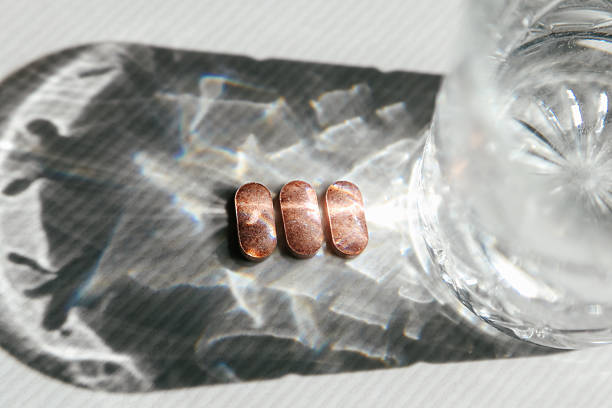
Magnesium Glycinate: A Simple Way to Calm Your Nerves
Here’s what happens. When you’re stressed, your body uses up magnesium fast. It’s like your fuel tank for handling pressure. When that tank gets low, you feel more anxious, your muscles get tight, and sleep gets harder. You might even have a racing heart or a jumpy feeling. Low magnesium can make everything feel louder and harder to handle. So getting more of it is a smart move. But the kind you pick matters a lot.
Magnesium glycinate is magnesium attached to glycine. Glycine is an amino acid. That’s a fancy way of saying it’s a building block for your body. But here’s the cool part – glycine itself is a relaxing compound. It helps your brain slow down. It also helps with deep sleep. So when you take magnesium glycinate, you’re getting two helpers in one. The magnesium works on your nervous system, and the glycine works on your brain’s brakes. It’s like a team mission to chill you out.
Why not just take any magnesium? Good question. Some forms are better for other things. Magnesium citrate is often used for constipation. Magnesium oxide is cheap but your body doesn’t absorb it well. Magnesium malate is more about energy. But for anxiety, glycinate is the winner. It’s gentle on your stomach. It doesn’t cause loose stools like some others. And it gets into your brain in a way that actually calms you. Many people feel a difference within a week or two.
How does it actually work? Your brain runs on chemicals called neurotransmitters. Some rev you up. Others calm you down. Magnesium helps the calming ones do their job. It also blocks the ones that make you feel on edge. Think of it like turning down the volume on your stress signal. Plus, magnesium helps control cortisol, the stress hormone. When cortisol spikes, you feel panicky. Magnesium keeps that spike from getting too high. So you’re not just feeling better on the outside – your body is actually handling stress better on the inside.
What about sleep? That’s a big one for anxiety. When you’re anxious at night, you toss and turn. Magnesium glycinate helps you fall asleep faster and sleep deeper. That’s because glycine lowers your core body temperature a little bit. That tiny drop tells your brain it’s time to sleep. Many people take magnesium glycinate about an hour before bed. They say it’s like a gentle wave that pulls them under. You don’t feel drugged. You just feel like your body finally lets go.
You can also get magnesium from foods like spinach, almonds, and black beans. But here’s the problem. Most people don’t get enough from food alone. Plus, stress drains magnesium fast. So a supplement is a smart backup. When you pick a magnesium glycinate supplement, look for a bottle that clearly says “glycinate” on the label. Don’t be fooled by “magnesium complex” or other names. You want the specific form. Also, check the serving size. Most adults need around 200 to 400 milligrams of elemental magnesium. But start with a smaller dose to see how you feel. Maybe half a serving first. Some people get sleepy if they take too much. That’s not a bad thing, but you want to time it right.
One more thing to know. Magnesium works best when you’re consistent. It’s not like a pain pill that works in thirty minutes. You need to take it daily for a while to refill your tank. Think of it like watering a plant. One big splash doesn’t do it. You need regular watering. So take your magnesium glycinate every day, ideally in the evening. After a few weeks, you might notice you’re calmer in situations that used to make you snap. The knot in your stomach might loosen. Your jaw might relax. These small changes add up.
Is it safe? For most people, yes. But if you have kidney problems or take heart medications, check with your doctor first. Also, if you’re pregnant or nursing, talk to a professional. But for the average person dealing with daily stress and anxiety, magnesium glycinate is a gentle, natural helper. It’s not a magic cure. You still need to manage your life, get moving, and talk things out. But it can take the edge off. It gives your body the tool it needs to stay calm. And that makes everything else easier.
So if you’re tired of feeling tense and high-strung, give magnesium glycinate a shot. It’s cheap, easy, and backed by a lot of quiet success stories. Your brain is asking for a break. This mineral might be just the answer.
Related Articles
Learn more about Helpful Supplements.

Lemon Balm: A Gentle Helper for a Restless Mind