The Afternoon Slump and Your Mood: Why Your Blood Sugar Crash Feels Like Panic
Think of your blood sugar like the gas in your car. When your tank is full, you can cruise along smoothly. You can handle hills and traffic without a problem. But when the gas light comes on and you ignore it, the engine starts to sputter. Your car doesn’t feel safe. Your body does the exact same thing when your energy dips too low. It goes into panic mode.
Here is what is actually happening inside you. Your brain runs on sugar. Not table sugar, but a simple type called glucose. It is the only fuel your brain really likes. When you eat something that sends a big rush of sugar into your blood, like a soda, a bag of chips, or a big white bagel, your body has to deal with it fast. It sends out a lot of a hormone to shove that sugar into your cells. This works great at first. You feel a burst of energy. But that system is not very precise. It often shoves too much sugar out of your blood. Now you have a situation where your blood sugar is lower than it was before you ate. Your brain, which was just partying, is now starving for fuel.
And your body does not like it. Your brain sends out emergency signals. It floods your system with stress hormones. These are the same chemicals that wake you up in the middle of the night if you hear a weird noise. These hormones are meant to get you moving and alert to deal with a threat. But the threat is just a bag of chips you ate two hours ago. Now you are sitting at your desk with a racing heartbeat, trying to calm down, when all you really need is a different kind of snack.
This is why the crash feels so much like anxiety. It is anxiety. Your body is literally stressed out because it does not have enough fuel to keep your brain running. The sweaty palms, the foggy thinking, the irritability. It all traces back to what you ate for lunch.
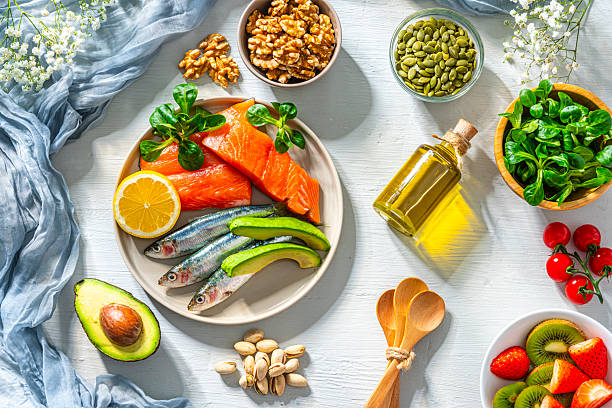
So how do you fix this without turning your whole life into a meal prep challenge? You stop playing the roller coaster game. You want your energy to feel like a gentle hill, not a scary drop. The trick is to pair your foods together. When you eat something like a piece of fruit, that is sugar. It will zip through your system fast. But if you eat that fruit with a handful of nuts or a slice of cheese, the protein and fat in the nuts and cheese slow everything down. It is like putting a speed bump in your digestion. The sugar still comes, but it comes slowly. Your body can handle it. You get steady energy for hours instead of a quick spike and a nasty crash.
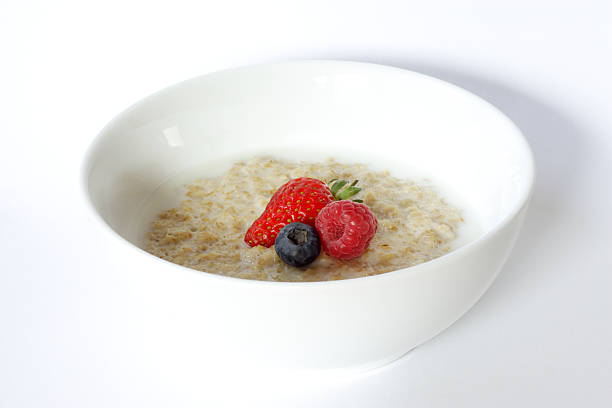
If you eat a sandwich for lunch, make sure it has meat, eggs, or peanut butter on it. If you eat oatmeal, put some milk and a spoonful of almond butter in there. If you grab a granola bar, look for one that has some protein listed on the package. Do not just eat a plain pretzel or a bag of fruit snacks by themselves. Those are basically just sugar with different shapes. They will guarantee you a crash in two hours.
This is not about cutting out carbs or being perfect. It is about being smart about your energy. You want to feel steady. You want your brain to have a constant drip of fuel, not a fire hose that gets turned off. The next time you feel that afternoon panic rising, stop and think about what you ate last. If it was a donut and coffee, you have your answer. Go eat something that has a little protein and some fat. A handful of almonds. A hard boiled egg. A spoonful of peanut butter. Give your brain the fuel it is screaming for. Watch the jittery feeling settle down. That is not magic. That is just steady energy doing its job. Your mood is not always in your head. Sometimes it is just in your lunch. And that is actually a very easy thing to fix.
Related Articles
Learn more about Food and Mood.
How a Bowl of Oatmeal Can Help You Feel Calmer