The Chill Amino Acid That’s Hiding in Your Tea
So what is L-Theanine? Imagine your brain has a whole bunch of little messengers that zip around telling cells what to do. Some messengers are like hyperactive puppies—they make you feel wired and stressed. Others are more like a calm cat that just wants to nap. L-Theanine steps in and helps those calm messengers get louder, while turning down the volume on the hyper ones. It’s not a drug. It’s a natural compound that your body recognizes, and it starts working in about thirty to sixty minutes. You take it, and instead of feeling like you’re about to jump out of your skin, you feel… steady. Not sleepy, just steady.
I remember the first time I tried it. I had a big work thing coming up, and my stomach was in knots. I popped one capsule of L-Theanine with my morning water, expecting to feel foggy or drowsy. Nope. About an hour later, I noticed that the knot had loosened. I could still think clearly, I wasn’t yawning, and my hands weren’t shaking. It was like someone turned down the thermostat on my anxiety. That’s the magic of this stuff—it chills you out but leaves your brain sharp.
You might be thinking, “Okay, but what about coffee? I love my coffee, but sometimes it makes me jittery.” That’s where L-Theanine really shines. Have you ever noticed that green tea gives you a smooth, calm energy instead of the jittery buzz from coffee? That’s because green tea naturally has L-Theanine paired with a little bit of caffeine. The L-Theanine balances out the caffeine, so you get focus without the crash. So if you’re a coffee drinker who’s sick of the shakes, you can take L-Theanine with your morning brew. It’s like having a built-in anti-jitter shield.
Another cool thing about L-Theanine is that it helps you sleep better without being a sleeping pill. I’ve tried melatonin, and it sometimes makes me groggy the next morning. L-Theanine doesn’t do that. It helps your brain slip into a relaxed state that’s perfect for falling asleep naturally, but it doesn’t force you into snoozeville. Some people take it before bed to quiet a racing mind. Others take it during the day for stress. That flexibility is rare in the supplement world.
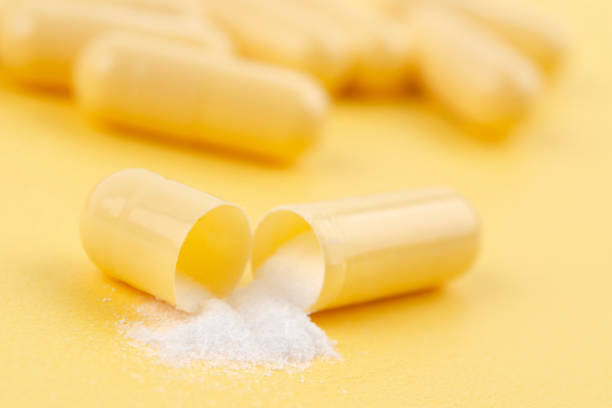
Now, I don’t want to make it sound like a miracle cure. It won’t fix huge life problems or take away deep trauma. But for everyday anxiety—the kind that pops up before a test, a speech, or just a busy Tuesday—it’s a solid tool. Most studies show that taking between 100 and 200 milligrams works well for most people. You can find it in capsules or powder, and it’s cheap. Plus, you get the bonus of feeling calm without any woo-woo or weird side effects. Some people might get a mild headache or an upset stomach if they take too much, but that’s rare. Just start with a small dose and see how it feels.
If you’re the kind of person who hates the idea of “supplements” because they sound fake or risky, I get it. I felt the same way. But L-Theanine is about as natural as it gets. It’s in the leaves of green and black tea, so you’re basically just taking a concentrated, purified version of something you already drink. That makes it feel less like a pill and more like a tool your body already knows how to use.
So here’s my plain advice: if your anxiety feels like a loud radio playing static in the background, try turning on L-Theanine. It won’t turn the radio off completely, but it turns the static down enough that you can actually hear yourself think. No clinical jargon, no mystical vibes—just a simple amino acid that helps your brain find its chill. Give it a shot. You might be surprised at how much quieter your head can be.
Related Articles
Learn more about Helpful Supplements.


Chamomile: A Gentle Herb for Feeling Calm