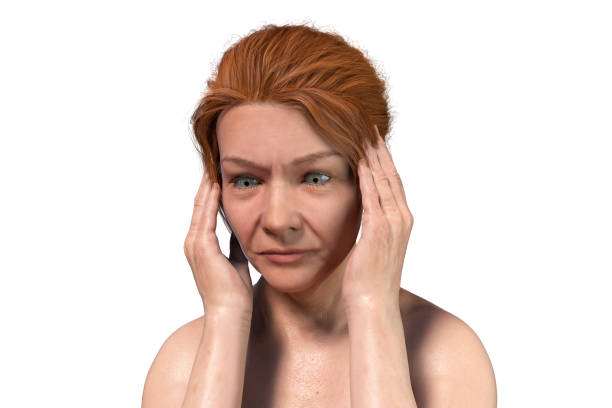
The Simple Act of a Slow Walk That Calms Your Alarm
When you walk slow, your body gets a clear message. It hears your even steps and relaxed arms. It sees your head facing forward, not looking around for threats. It feels your breathing settling into a rhythm. All of that tells your alarm system, “Hey, we’re fine. No bear. Just a pleasant stroll.“ So your body starts to turn down the stress signal. Your heart slows a little. Your muscles loosen. Your brain gets the hint that it’s okay to relax. That’s why a slow walk can be more powerful than a hard workout when you’re feeling anxious. A hard workout fires up your body even more. It says “run faster!“ Nice for some days, but not when you’re already wired. Slow movement says “settle down” instead.
Stretching works the same way. When you reach your arms up high or gently bend to touch your toes, you are telling your body, “We’re safe enough to take up space.“ Think about how animals stretch. A cat doesn’t stretch when a dog is chasing it. A cat stretches after a nap, when everything is calm. Your body knows that. So when you stretch, even for a minute, you’re sending a signal of safety. Your shoulders let go. Your jaw unclenches. Your neck gets longer. You might even yawn, and that’s a good sign. Yawning is your body’s way of saying, “We can chill out now.“
You don’t need to do any special moves. Just walk to the end of your block and back. Slow. No music, no phone. Let your arms swing. Look at the sky. Notice the trees or the cracks in the sidewalk. If you’re inside, walk from your bedroom to the kitchen and back, but do it slowly. Feel your feet on the floor. Each step is a tiny reminder that you are here, in this moment, and nothing is wrong. You can even swing your arms in big circles. Or roll your neck from side to side. That counts too. The point is to make your body remember how to be at ease.
Here is a good trick to try: When you feel your chest tighten or your stomach flip, start walking in a slow circle around your room. Count your steps to ten. Then count them backward to zero. That takes your mind off the panic and puts it on something boring. Boring is actually amazing for anxiety. Boring tells your brain, “There’s no drama here. Nothing to worry about.“ So a slow walk is like a boring vacation for your alarm system.
You might wonder how long to do it. Even two minutes helps. Five is better. Ten is great. But don’t force it. If you only have time to walk to the bathroom and back, do that slowly. Stretch your arms over your head while you’re in there. Reach for the ceiling like you’re trying to pick a fruit. Then let your arms fall loose. Roll your shoulders backward a few times. That little movement can change your whole mood. Your body and mind are connected. When you move your body with calm, your mind gets the memo.
The next time your alarm goes off, don’t fight it. Don’t tell yourself to calm down. That usually makes it worse. Instead, get up and move like you have nowhere to be. A slow walk is a quiet way of telling your whole self, “I’m handling this. We’re safe.“ Your body believes actions more than words. So show it with your feet. Show it with your stretch. Let your arms dangle. Let your breath slow down on its own. You might feel silly at first. That’s okay. Silly is just your old habit of being tense. Keep going. After a few minutes, you’ll notice your shoulders are lower. Your face is softer. Your heart is not slamming anymore. That’s your alarm system powering down. And you did it with nothing but a slow walk and a few gentle moves.
Remember, you don’t have to earn the right to feel calm. You just have to remind your body what calm feels like. And a slow walk is the simplest reminder there is. So go ahead. Take a loop around your yard or down the hallway. Let your hips sway a little. Let your hands hang loose. Breathe in, breathe out. You are not in danger. You are just moving, slowly, and that’s enough.
Related Articles
Learn more about Calming Your Body's Alarm System.

When a Blanket Feels Like a Hug