The Vitamin B Boost: How B Vitamins Help Calm Your Nerves
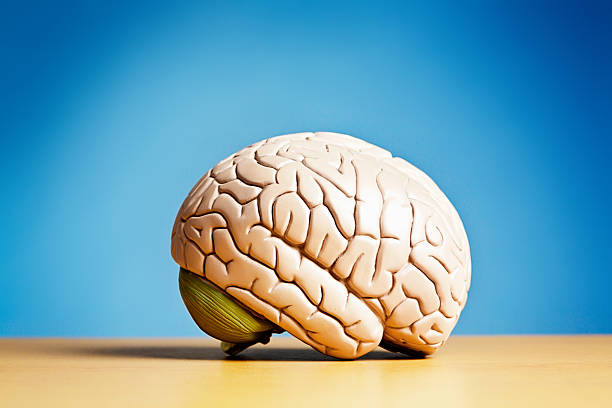
Let’s get real about what these vitamins do. Your body can’t make most B vitamins on its own, so you have to get them from food. Once they’re inside you, they help turn the food you eat into energy. But that’s not all. They also help your brain make chemicals called neurotransmitters. These are the messengers that tell your brain when to feel calm, when to feel alert, and when to relax. If you’re low on B vitamins, your brain might have a harder time sending the “chill out” signal. That’s a big deal when anxiety is already knocking at your door.
Three B vitamins are especially important for calming your nerves: vitamin B6, vitamin B12, and folate (which is also called vitamin B9). Vitamin B6 helps your body make serotonin and GABA. Serotonin is the “feel good” chemical that lifts your mood. GABA is like a brake pedal for your brain—it slows down all the racing thoughts that can make anxiety worse. Without enough B6, your brain might not have the parts it needs to build these calming chemicals. Signs you might be low on B6 include feeling irritable, tired, or just on edge for no clear reason.
Vitamin B12 is a big player too. It helps keep your nerve cells healthy and helps your body make energy. When B12 is low, a lot of people feel brain fog, forgetfulness, and a heavy, tired kind of anxiety. You might feel like you’re walking through mud all day. B12 is mostly found in animal foods like meat, fish, eggs, and dairy. If you don’t eat those foods, it’s extra important to find other sources or talk to a doctor about supplements.
Then there’s folate. This one helps your body make dopamine and serotonin. When folate levels drop, your risk of feeling down and anxious goes up. Some studies even show that people with low folate don’t respond as well to anxiety treatments. The good news is folate is in lots of everyday foods like leafy greens, beans, lentils, and oranges. That’s a pretty easy win if you can add a handful of spinach to your sandwich or have a side of black beans with dinner.
Now, here’s a twist that might surprise you. Stress itself can actually use up your B vitamins. When you’re anxious, your body goes into fight-or-flight mode and burns through these nutrients faster. So if you’re already stressed, you might need even more B vitamins than normal. It’s like trying to keep a car running on empty—you have to refill the tank more often. That’s why eating foods rich in B vitamins isn’t just a nice idea; it’s a practical way to support your brain when it’s working overtime.
So what can you do starting today? You don’t need a fancy diet or expensive shakes. Think simple. Have an egg for breakfast. Eggs are packed with B12 and B6. Toss a handful of spinach into your pasta or smoothie for folate. Snack on a handful of sunflower seeds or almonds, which have B6 too. If you eat meat, a small piece of chicken or salmon will give you a solid dose of several B vitamins. Even a bowl of oatmeal with a little milk or fortified plant milk can help.
The goal isn’t to turn you into a nutrition expert overnight. It’s just to show you that what you put on your plate can actually help quiet that anxious voice in your head. B vitamins aren’t a magic cure, and they won’t make all your worries disappear. But they give your brain the building blocks it needs to handle stress better. And when anxiety is making your life difficult, every little bit of help counts.
Next time you’re feeling wound up and you reach for something to eat, try thinking about B vitamins. A simple meal of scrambled eggs, a handful of spinach, and a glass of milk is like sending a care package to your brain. It’s food that does more than fill your stomach—it works for your mood too. Start small. Pick one B-vitamin-rich food you like and add it to your day. Your nerves might just thank you.
Related Articles
Learn more about Food and Mood.
Vitamin B6 and Anxiety: How Chicken, Bananas, and Potatoes Can Help You Feel Calmer