Nourishing Your Microbiome: The Best Foods to Feed Your Gut Bugs
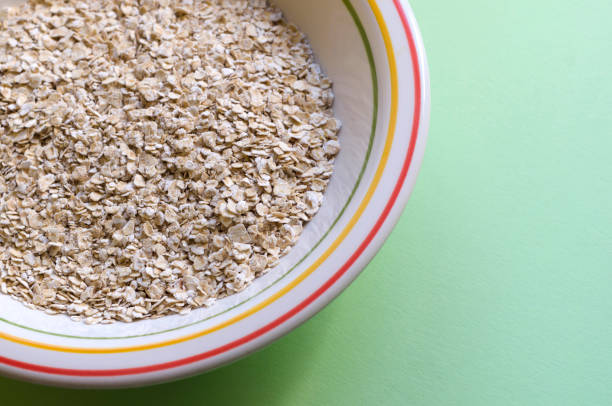
At the forefront of gut bug nutrition are dietary fibers, specifically prebiotics. These are indigestible plant compounds that pass through your upper gastrointestinal tract unchanged and arrive in the colon to serve as fuel for your beneficial bacteria. Foods abundant in these prebiotic fibers include garlic, onions, leeks, asparagus, bananas, and Jerusalem artichokes. Whole grains like oats and barley also contribute valuable beta-glucans. When your good bacteria ferment these fibers, they produce short-chain fatty acids, such as butyrate. These substances are crucial as they nourish the cells of your colon wall, reduce inflammation, and help maintain a robust gut barrier. Essentially, by consuming a variety of fibrous plants, you are directly providing the preferred meals for the microbes you want to encourage, thereby helping them outcompete less desirable species.
Equally important are fermented foods, which act as a direct source of diverse live microorganisms, often called probiotics. While not all probiotics permanently colonize the gut, their transient presence can confer significant benefits. They can modulate the immune system, produce vitamins, and create an environment less hospitable to pathogens. Regularly incorporating traditionally fermented foods like live-culture yogurt, kefir, raw sauerkraut, kimchi, kombucha, and miso into your diet introduces a wide array of bacterial strains. This microbial diversity is a key indicator of gut health, as a more varied microbiome is generally more adaptable and resilient. Think of these foods as adding new, temporary workers to your gut’s community, each contributing unique skills that support overall function and harmony.
Beyond specific prebiotic and probiotic categories, the overarching principle for feeding your gut bugs is dietary diversity, particularly from the plant kingdom. No single food can sustain the entire microbial community; different bacterial species have different dietary preferences. Therefore, consuming a wide rainbow of fruits, vegetables, legumes, nuts, seeds, and whole grains ensures a broad spectrum of fibers, polyphenols, and other phytonutrients. Polyphenols, found in foods like berries, green tea, dark chocolate, and red wine, are antioxidant compounds that your gut bacteria metabolize, promoting the growth of beneficial strains like Akkermansia muciniphila. A diet limited in variety can lead to a less diverse microbiome, which research suggests may be linked to various health issues. Aiming for thirty different plant-based foods each week is an excellent target to foster microbial richness.
Ultimately, feeding your gut bugs effectively is less about exotic superfoods and more about consistent, foundational dietary patterns. A diet centered on a wide variety of fibrous plants, complemented by regular servings of fermented foods, creates the ideal conditions for a thriving gut ecosystem. It is also wise to be mindful of foods that can harm this delicate community, such as excessive amounts of ultra-processed foods, added sugars, and artificial sweeteners, which can promote the growth of inflammatory bacteria and reduce overall diversity. By thoughtfully choosing foods that nourish your microbial partners, you invest in a symbiotic relationship that supports your digestion, fortifies your immune defenses, and contributes profoundly to your long-term well-being. Your gut bugs are indispensable allies, and with the right dietary choices, you can ensure they are well-fed, diverse, and thriving.
Related Articles
Learn more about Food and Mood.

The Sunshine Vitamin: Why Your Anxiety Might Be a D Problem

Why a Simple Banana Can Help You Chill Out