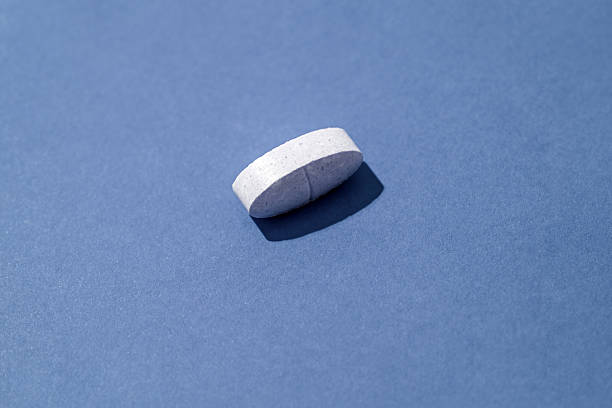
Why Magnesium Glycinate Is So Good for Anxiety
First, let’s break down what magnesium does. It’s a mineral your body uses for hundreds of jobs, but one big one is helping your muscles ease up. When you’re anxious, your muscles naturally clench up, even the tiny ones in your jaw and neck. Magnesium tells those muscles to let go. But it also works inside your brain. Your brain runs on electrical sparks between cells, and magnesium helps control those sparks so they don’t fire too fast. Too much firing means racing thoughts, jumpiness, and that wired-but-tired feeling. Magnesium puts a brake on that, kind of like turning down the volume on a loud speaker.
Now, why glycinate specifically? Magnesium comes in several forms, like citrate, oxide, and chloride. Some of those are hard on your stomach – they pull water into your gut, which helps if you’re constipated but not so much if you just want to relax. Magnesium oxide is cheap but your body only absorbs a tiny bit of it, so it hardly does anything. Then there’s magnesium glycinate. The word “glycinate” means the magnesium is attached to an amino acid called glycine. Glycine is actually a tiny protein building block that your body already makes, and it has its own calming effect. It helps quiet down the part of your nervous system that gets you ready for danger. So with glycinate, you get two things at once: the mineral that relaxes muscles, and the glycine that soothes your brain. That’s a double whammy for anxiety.
People who take magnesium glycinate often say the effect sneaks up on them. You don’t feel high or sleepy like with a sleeping pill. You just notice that your shoulders drop a little, your jaw unlocks, and the noise in your head gets quieter. Some people take it in the evening because it pairs nicely with winding down for bed. Others take it during the day when they feel a wave of stress coming on. The cool part is that it doesn’t make you feel groggy or out of it. You still have all your wits, just without the shaking leg and the constant need to check your phone.
If you’re thinking about trying it, the typical dose is around 200 to 400 milligrams of actual magnesium. But here’s a pro tip: start lower than that. Your body needs a few days to adjust, and starting with 100 milligrams is smarter. Take it with food so it doesn’t bother your stomach – although glycinate is one of the gentlest forms, so that’s less of a problem. Give it about a week of daily use to see a real difference. Some people feel it the first night, others need a bit more time. That’s normal. Also, check with your doctor first if you have kidney problems or take heart medicine. But for most folks, this is about as safe as supplements get.
One thing to keep in mind: magnesium glycinate isn’t a magic eraser for a terrible day. If you’re in the middle of a real crisis, it won’t fix everything. It’s more like a steady support under your feet. Think of it as lowering the base level of anxiety, so the ups and downs don’t hit you as hard. You still feel emotions, but they don’t throw you around like a rag doll. That’s what makes it so helpful for people who are always a little on edge. You don’t need to be in a panic to benefit. Even everyday worry – like money stress or work pressure – gets a bit lighter.
Another great thing is that magnesium glycinate is cheap and easy to find. It’s not some fancy herb with a weird aftertaste. You can get it at any pharmacy or online, in pill or powder form. The powder dissolves in water and kind of tastes like nothing, so you can add a scoop to your evening tea. The pills are just as good. Just read the label to make sure it says “glycinate” and not just “magnesium.“ Some companies try to mix forms to save money, so look for the actual word.
To put it simply, if you’re tired of feeling tense and your plain old diet isn’t cutting it, magnesium glycinate is a solid next step. It’s not a prescription, it’s not a huge lifestyle change, and it’s not some weird ritual. It’s just a mineral doing a good job, paired with a calm amino acid. You take it, you give it time, and you let your body remember what it feels like to be relaxed. Some people call it nature’s chill pill. That’s a pretty good name. But the best name might be “the one that actually helps.“ Because when anxiety keeps you wound tight, a little help goes a long way.
Related Articles
Learn more about Helpful Supplements.


Helpful Supports for Your Body and Mind