Why Your Gut Loves Fermented Foods (And Your Mood Does Too)
Fermented foods might sound fancy, but they’re really just foods that have been left to sit and “pickle” with good bacteria. You’ve probably already eaten some. Yogurt, sauerkraut, kimchi, pickles that are brined (not the vinegar kind), kefir, and kombucha are all fermented. They taste sour or tangy because of the friendly bacteria living inside them. And those little bacteria are the secret to helping you feel less anxious.
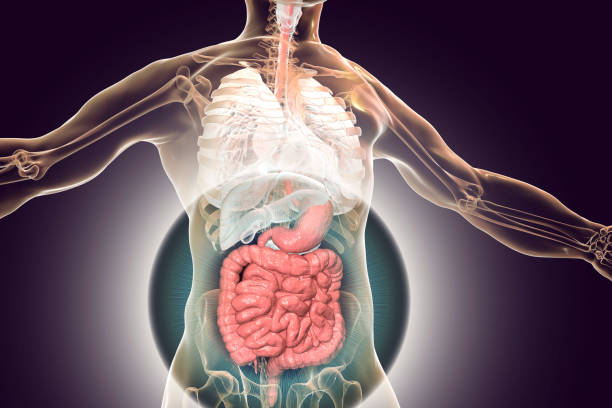
Think of your gut as a garden. You want good plants to grow and bad weeds to stay away. Fermented foods are like planting the best seeds. They fill your gut with helpful bacteria that do all sorts of nice jobs. One of those jobs is helping your body make a chemical called serotonin. You might have heard of it. It’s a chemical that helps you feel relaxed, happy, and calm. About ninety percent of your body’s serotonin is made right in your gut. That means if your gut is filled with good bacteria, it can make more of that calm chemical. If your gut is full of the wrong stuff, you might not get the same calming effect.
When you eat fermented foods, you’re giving your gut a fresh batch of helpers. They stick around, eat the food you eat, and produce stuff that makes your body feel better. For example, they can reduce swelling in your body. Swelling is like a little fire inside you. When you’re stressed or anxious, that fire gets bigger. The good bacteria from fermented foods help put out the fire. Less swelling means a calmer brain.
It doesn’t take much. You don’t need to drink a gallon of kombucha or eat a whole jar of sauerkraut. Start small. Add a spoonful of yogurt to your breakfast. Try a few bites of kimchi with your dinner. Drink a small glass of kefir or kombucha once a day. Your gut needs time to get used to the new bacteria. And those bacteria need food too. They love things like fiber from fruits and vegetables, so eat your regular healthy meals alongside the fermented foods.
One thing to remember: not all store-bought foods are truly fermented. Some pickles are just made with vinegar and have no live bacteria. Look for words like “raw,” “unpasteurized,” or “live cultures” on the label. Sauerkraut in the refrigerated section is usually the real deal. The stuff on the shelf might be dead. Dead bacteria don’t help. Also, if you’ve never eaten fermented foods before, start slowly. Too much at once can make your tummy feel bloated or gassy. That’s normal. Your gut is adjusting. Give it a week or two, and the discomfort should fade.
Some people worry about the taste. Fermented foods are sour, and that’s okay. You can hide them in other foods. Mix plain yogurt with a little honey and some berries. Throw a handful of sauerkraut on a sandwich or in a salad. Add a splash of kimchi to rice or noodles. Even a small amount every day can make a difference.
The best part is that eating these foods does not have to be a big deal. You’re not taking medicine or doing a weird ritual. You’re just eating real food that happens to be really good for your gut. And when your gut is good, your mood gets better. That nervous feeling in your stomach might show up less often. You could feel more steady and less jumpy during the day.
There is no quick fix for anxiety. But changing what you eat is a simple step you can control. Your gut is working for you every second. Feed it well. Give it those friendly bacteria from fermented foods. They are like a little army of calm marching through your system. They help your gut talk to your brain in a quiet, peaceful way. Over time, that conversation gets louder and clearer. And you start to feel more like yourself, without all the worry.
So next time you’re grocery shopping, grab a jar of sauerkraut or a tub of plain yogurt. Your gut will thank you. And your brain will feel the difference. It’s not magic. It’s just food doing what food is supposed to do: keep you healthy and calm.
Related Articles
Learn more about Food and Mood.
How The Food You Eat Changes Your Mood

How Undereating Fuels the Anxiety Cycle