Your heart starts banging before the test paper lands on your desk. Your hands feel cold. Your stomach flips. That feels scary, but it is not a sign that you are weak. It is your body’s alarm system turning on. The alarm has one job: keep you safe. It does not always know the difference between a math quiz and real danger. Once you understand what is happening, you can help your body calm down.
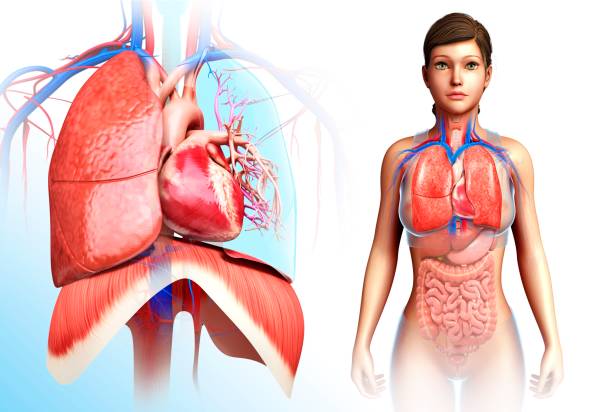
Your body has a fast survival switch called fight or flight. When your brain thinks you are in trouble, it sends a quick signal to get you ready. Your heart beats faster to push blood to your muscles. Your breathing gets quicker to bring in more air. Your muscles tighten so you can run or push back. Your stomach slows down because digesting lunch is not the top job right now. This switch is useful if a dog charges at you. It is less useful when you are sitting at a desk with a pencil.
Here is the tricky part. Your body can turn on the alarm for things that are not physical danger. A test, a speech, or a hard conversation can feel like a threat. You cannot fight a test or run from a speech. So the alarm turns on, but you just sit there. That is why your heart races and your thoughts jump. The alarm is doing its job, but the job does not fit the moment. You are not in danger. You are uncomfortable. Those are two different things.
The first step is to notice the alarm without fighting it. Tell yourself, “My body is trying to help me. It thinks this is a big deal.“ This takes some of the scare out of the feeling. When you fight the feeling, your body may think the danger is even bigger. When you name it, your body can start to settle. You do not have to like the feeling. You just have to stop treating it like a monster.
Next, slow your breathing, especially the out-breath. When you are stressed, you may take quick, shallow breaths. Try breathing in through your nose for a slow count of four. Then breathe out through your mouth for a slow count of six. Make the out-breath longer than the in-breath. Do this a few times. You are telling your body, “The emergency is over.“ A longer out-breath can help your heart slow down. If counting makes you more stressed, just breathe out slowly like you are fogging up a window.
You can also relax where your body holds tension. Most people tighten their jaw, shoulders, and hands without knowing it. Let your jaw hang loose. Drop your shoulders away from your ears. Open your hands and let them rest. Wiggle your toes. These small moves send a message back to your brain that you are not getting ready to fight or run. Your body and brain talk to each other all day. You can use your body to help your brain.
Cold water can help you reset. Splash cool water on your face, or hold something cold for a minute. The cool feeling gives your body a new signal to pay attention to. It can pull you out of the spiral of scary thoughts. Keep it easy and safe. You are not trying to shock yourself. You are giving your senses a simple job.
Your thoughts matter too. When your heart races, your brain may jump to worst-case thinking. Do not argue with every thought. Pick one small true sentence instead. “I am nervous, and I can still start.“ “I know more than I think.“ “I can do the first question.“ Small true sentences are better than big fake ones. Your body calms down more when your thoughts are believable.
Finally, make a small plan. Look at the page. Do the first easy thing. Take one slow breath. Then do the next thing. You do not have to calm down perfectly before you start. You can calm down while you start. Your alarm may still be a little loud. That is okay. You can feel nervous and still do what matters.