Skip to Content

Fight or Flight Explained

Why Your Heart Races Before a Test and How to Slow It Down

Why Your Heart Races Before a Test and How to Slow It Down

Your heart starts banging before the test paper lands on your desk.
Why Your Hands Shake When You’re Nervous

Why Your Hands Shake When You’re Nervous

Your hands shake when you’re nervous because your body has turned on its alarm.
Slow Your Exhale to Calm Anxiety Fast

Slow Your Exhale to Calm Anxiety Fast

When anxiety hits, your breathing often changes before you notice it.
Caffeine, Alcohol, and Nicotine: Why Your Body’s Alarm Can Feel Louder

Caffeine, Alcohol, and Nicotine: Why Your Body’s Alarm Can Feel Louder

When your body’s alarm goes off too often, small things can feel big.

Cool Water and Slow Touch: Simple Senses That Help Calm Your Body’s Alarm

Cool Water and Slow Touch: Simple Senses That Help Calm Your Body’s Alarm

When your body’s alarm goes off, it can feel like everything speeds up.
How a Longer Out-Breath Can Calm Anxiety Fast

How a Longer Out-Breath Can Calm Anxiety Fast

Your body has an alarm system.
Why Your Cortisol Rushes in the Morning and How to Settle It Down

Why Your Cortisol Rushes in the Morning and How to Settle It Down

Your body has an alarm system.
Slow Your Breath, Calm Your Alarm: The Long Exhale Trick

Slow Your Breath, Calm Your Alarm: The Long Exhale Trick

You know that feeling when your body’s alarm goes off? Your chest gets tight.
Quick Tips

I get frustrated when I’m not good at a hobby. How can I get past that?

This is so common! The secret is to shift your goal from “being the best” to “enjoying the process.“ Remember, the main point of your hobby is to make you feel better, not to create a masterpiece. Give yourself permission to be a beginner and to make messy mistakes. If you’re knitting and you drop a stitch, it’s okay. If you’re shooting baskets and you miss, it’s okay. Laugh about it. The value is in the doing itself—the rhythm, the focus, the simple act of creating or moving—not in the final result.

Can this really make a big difference in how I feel?

Yes, absolutely. It might seem too simple, but that’s its power. You are training your brain to be right here, right now, instead of worrying about the future or the past. Doing this for just a few minutes each day builds up your “focus muscle.“ You’ll start to find that you can call upon this calm feeling during more stressful parts of your day. It’s a small, manageable tool that, with practice, can help you feel more steady and peaceful in your daily life.

What are some simple food tips that can help right away?

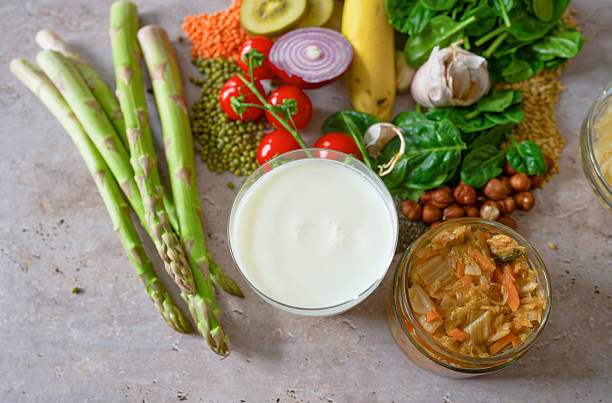
They might suggest easy wins, like eating a protein-rich breakfast to start your day calmly. This could be eggs, yogurt, or a smoothie. They also often recommend cutting back on sugary drinks and caffeine, as these can make you feel jittery and mimic anxiety. Drinking enough water is another simple, powerful step, since even mild dehydration can affect your mood.

What can I do with my hands and mouth instead of smoking or drinking?

Finding a replacement habit is powerful. For your hands, try something like a fidget toy, squeezing a stress ball, or even doodling. For the oral fixation, keep crunchy snacks like carrot sticks or apple slices handy, sip on flavored seltzer water, or chew gum. These simple actions satisfy the physical habit of having something to do, which can be half the battle when you’re trying to cut down.

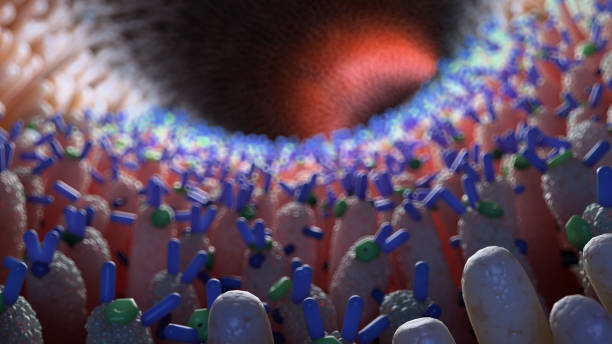
How can eating a variety of plants help my gut?

Trying to eat many different fruits, vegetables, and whole grains is like throwing a big, diverse party for your gut bugs. Each type of plant food feeds different kinds of good bacteria. The more variety you have, the more types of bacteria will flourish. Some experts even suggest aiming for 30 different plant foods each week. A diverse and bustling gut community is a strong one, which helps your whole system feel more at ease.